
Harry Patch: British First World War Trench Veteran and Public Witness
Harry Patch (1898–2009) was a British soldier who served in the trenches of the First World War and later became a widely known voice for remembrance and the human cost of conflict.
Overview
Henry "Harry" Patch (17 June 1898 – 25 July 2009) was a British veteran of the First World War who came to public attention in his later years as a living link to the trench warfare of 1914–1918. Widely described in contemporary press as one of the last combatants to have experienced the Western Front trenches, he became known for his personal testimony, plainspoken recollections and outspoken opposition to glorifying war.
Image gallery
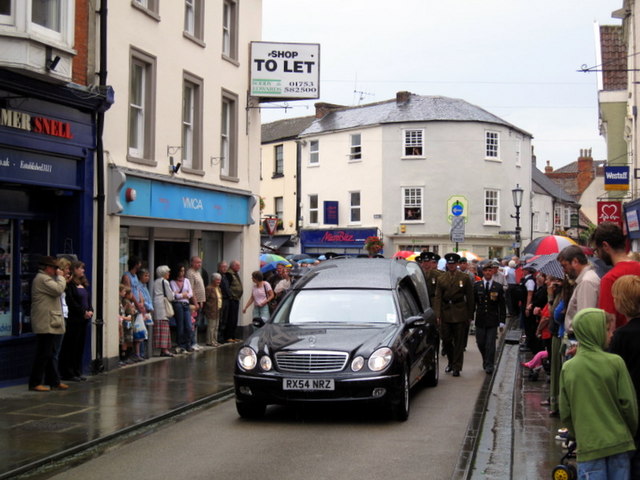
4 Images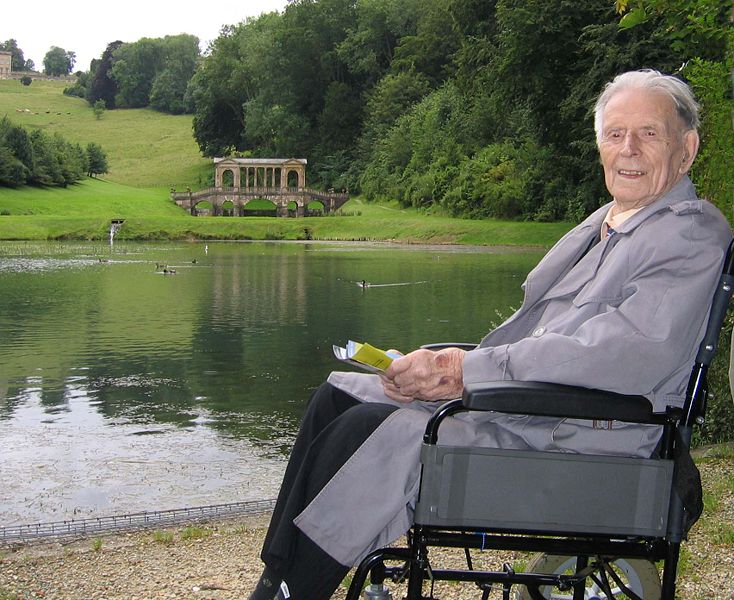


Military service and wartime experience
Patch served in the British Army during the First World War and fought on the Western Front, the industrialised battlefields and network of trenches that dominated the conflict. Like many soldiers of that generation, he witnessed heavy artillery, close-quarters fighting and the death of comrades. He was wounded in action and subsequently returned to civilian life. In interviews decades later he spoke about the fear, the mud, and the moral impact of killing in combat; his accounts contributed to public understanding of what life in the trenches entailed.
Later life and public role
For most of his life Patch lived quietly as a civilian. In his final decades he attracted media attention as historians and broadcasters sought first-hand testimony from surviving veterans. He took part in recorded interviews, documentaries and events that emphasized remembrance and the need to learn from history. His statements often stressed compassion for ordinary soldiers on both sides and a desire to prevent future warfare.
Legacy and significance
Patch's longevity and willingness to speak publicly made him a symbol of the human consequences of the First World War. Obituaries and commemorations highlighted his role in keeping public memory alive and in encouraging thoughtful commemoration rather than triumphalism. His life is cited in discussions about veterans' testimony, ageing witnesses to history and the cultural memory of the Great War.
Further reading
- Collections of interviews, documentaries and biographies record his recollections and place them in the wider context of First World War studies.
- For source material and archival references see primary collections and recorded interviews.
Related articles
Author
AlegsaOnline.com Harry Patch: British First World War Trench Veteran and Public Witness Leandro Alegsa
URL: https://en.alegsaonline.com/art/120379
Sources
- news.bbc.co.uk : "WWI veteran Patch dies aged 111"