
Cheese curd: fresh curds, texture and culinary uses
Fresh pieces of coagulated milk prized for a distinctive 'squeak'—consumed raw, fried or in dishes like poutine; common in Quebec, the U.S. Midwest, and northeastern states.
Overview
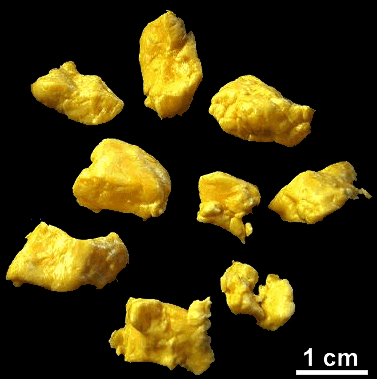
Cheese curds are the moist, solid pieces that form when milk coagulates during the early stages of cheesemaking. They are separated from the liquid whey and are typically eaten fresh while still soft and springy. Because of their elasticity and moisture, many people describe them as "squeaky cheese" when bitten.
Image gallery
4 Images


How they form and their characteristics
Curds form when milk is acidified or treated with enzymes such as rennet, causing casein proteins to bind together. After cutting and draining, the resulting lumps retain a high moisture content and a variable salt level depending on how they are handled. Fresh curds have a glossy surface, mild milky flavor, and a characteristic squeak produced by tiny protein surfaces rubbing against the teeth; the squeak softens as curds age or are refrigerated.
History and regional associations
Cheese curds are a byproduct of traditional cheesemaking and have long been enjoyed in regions with strong dairy industries. They are closely associated with Quebec and Canada because of the province's famous comfort dish poutine, but they are also a staple snack and fair food across the American Midwest and parts of the Northeast in the United States.
Culinary uses and examples
- Poutine — hot fries topped with cheese curds and brown gravy, a signature Quebec dish.
- Deep-fried curds — battered and fried as a popular fair or pub snack.
- Fresh snacking — eaten plain or lightly salted for their texture and mild taste.
- In salads, soups, or melted into dishes where a soft curd is desired.
Production, storage and distinctions
Commercially, curds are produced by coagulating milk, cutting the curd mass, and draining whey; some manufacturers press, salt, or pack them with minimal aging. Unlike block cheeses, curds are intended to be consumed young and lose their squeak when aged or frozen. They differ from other fresh cheeses by their size and by being the unpressed, often unsalted stage of many matured cheeses.
Regional producers and specialty shops often sell curds the day they are made to preserve texture and flavor. For more general information consult sources on cheesemaking and regional cuisine such as local dairy associations and culinary guides (french fries being one of the common carriers for curds in poutine).
Related articles
Author
AlegsaOnline.com Cheese curd: fresh curds, texture and culinary uses Leandro Alegsa
URL: https://en.alegsaonline.com/art/19107
Sources
- vancouversun.com : "'The taste is in the squeak': Why the key to the perfect poutine is the cheese curds — just don't refrigerate them"