
Chanterelle (Cantharellus mushrooms)
Edible golden-yellow mushrooms in the genus Cantharellus, valued for their fragrance, firm texture, and culinary uses; typically wild-harvested and mycorrhizal with trees.
Overview
Chanterelles are a group of wild, edible mushrooms most commonly assigned to the genus Cantharellus. They are widely appreciated in culinary traditions across Europe, North America and parts of Asia for their characteristic golden to orange color and a fruity, apricot-like aroma. Chanterelles form ecological partnerships with trees and are usually found in woodlands rather than cultivated commercial beds.
Image gallery
4 Images


Identification and characteristics
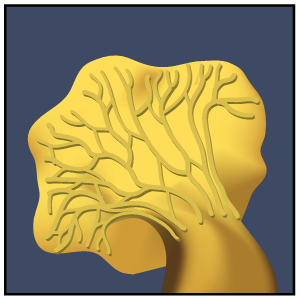
Typical chanterelles have a funnel- or vase-shaped cap, a smooth to wavy margin, and what are called "false gills": ridges or folds on the underside of the cap that run down the stem rather than separate, blade-like gills. Flesh is usually firm and the scent is often described as fruity. Size, hue and precise shape vary among species, and several different species are commonly called chanterelles.
Habitat and ecology
Chanterelles are largely mycorrhizal, forming mutually beneficial associations with the roots of deciduous and coniferous trees. They appear seasonally—most often in late spring through autumn—after periods of rain. Because they rely on tree partners, they are typically harvested in forests where the soil and host trees provide suitable conditions.
Culinary uses and nutrition
These mushrooms are prized for their firm texture and concentrated flavor. Common preparations include sautéing in butter or oil, adding to sauces, soups and egg dishes, or preserving by drying. When dried, their aroma intensifies and they rehydrate well. Chanterelles are a source of protein and other nutrients; for example, they contain a notable proportion of protein by dry weight as reported in nutritional summaries (nutritional data).
Similar species and safety
Several lookalike species can cause confusion. The orange, clustered Jack‑o'‑lantern mushroom (Omphalotus) is superficially similar but is toxic, and it has true gills rather than the ridges of chanterelles. Foragers should learn key distinctions—cap shape, gill structure, odor and growth pattern—and when in doubt avoid consumption or consult an expert. Proper identification and thorough cooking reduce the risk of adverse effects.
Notable facts
- Many chanterelle species are harvested from the wild; commercial cultivation is limited compared with some other fungi.
- They have been collected and eaten for centuries and feature in regional cuisines for their aromatic qualities.
- Authoritative resources and field guides can help distinguish species; see general references on mushrooms (mushroom guides) for more information.
Related articles
Author
AlegsaOnline.com Chanterelle (Cantharellus mushrooms) Leandro Alegsa
URL: https://en.alegsaonline.com/art/18583