
Celtis (hackberry): description, distribution, and uses
Celtis is a genus of about 60–70 species of deciduous trees known as hackberries. They occur across the temperate Northern Hemisphere and are valued for wildlife food, urban tolerance, and timber.
Overview
Celtis is a genus of roughly 60–70 species of deciduous trees commonly called hackberries. These trees are native to much of the temperate regions of the Northern Hemisphere and are recognized by their small, single-seeded fruits and generally coarse, long-lived crowns.
Image gallery
7 Images



Description and characteristics
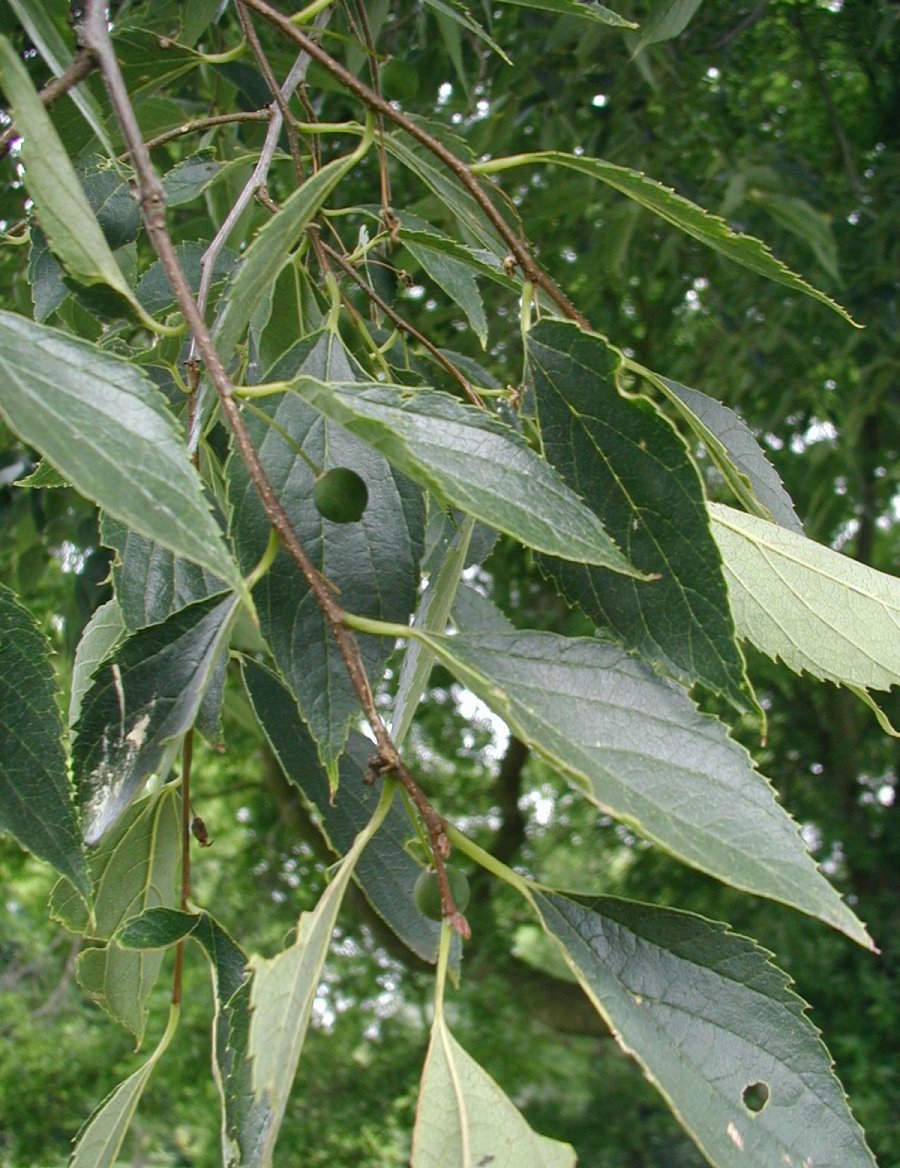
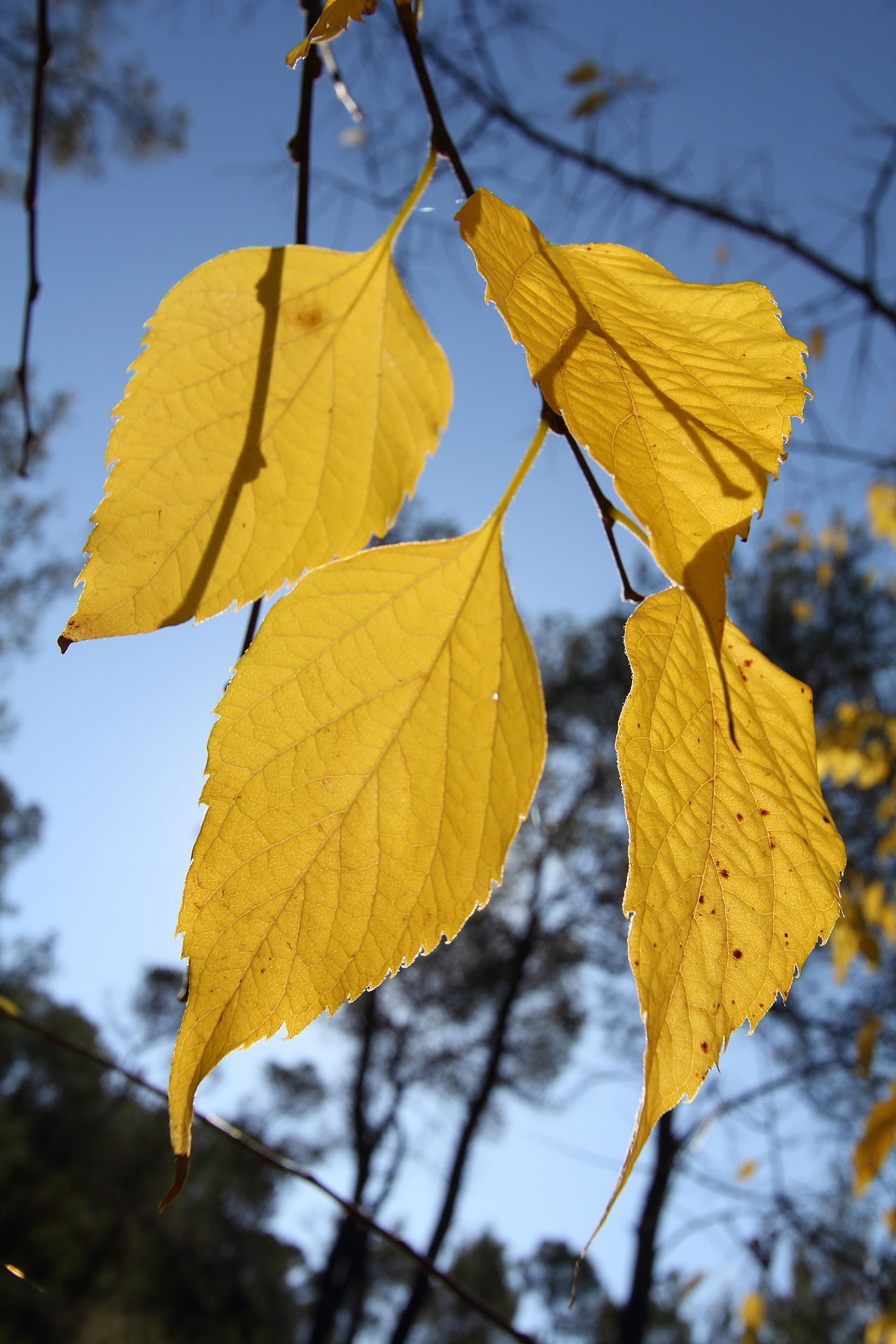
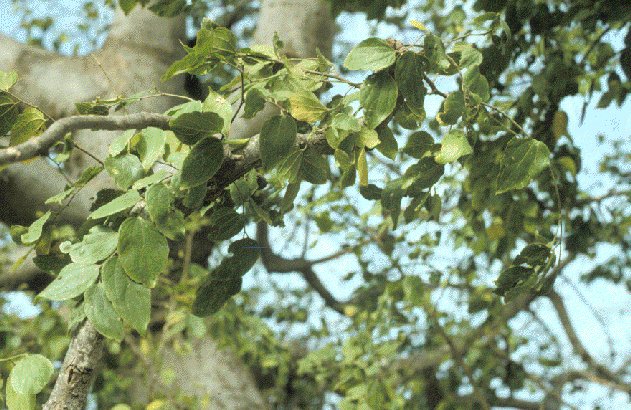
Hackberries typically bear simple, alternate leaves that are often asymmetrical at the base and have a toothed or serrated margin. The bark can be smooth on young trees but becomes fissured or develops corky protuberances on some species. The fruit is a small drupe, usually sweet when ripe and attractive to birds. Wood tends to be hard and dense, and overall size ranges from medium to large shade trees depending on species and site.
Distribution and habitat
Species of Celtis occur across southern Europe (southern Europe), southern and eastern Asia, south into parts of central Africa, and throughout the Americas from southern and central North America to northern and central South America. They occupy a variety of settings from riverbanks and woodlands to upland sites and urban streets, often favoring well-drained soils but tolerating drought and moderate salinity.
Uses, ecology, and importance
Hackberries are important for wildlife: the small drupes feed birds and mammals and help disperse seeds. Many species are planted as street and shade trees because of their tolerance to pollution, compacted soils, and drought. Locally, hackberry wood has been used for fuel, fence posts, and basic carpentry. Ecologically, they can be pioneer or mid-successional trees that provide food late in the season.
Taxonomy and notable species
Historical classifications placed Celtis in various families; modern molecular work often groups it with other Cannabaceae relatives. Notable species include Celtis occidentalis (common hackberry), Celtis australis (European nettle tree), and Celtis sinensis (Chinese hackberry). Despite superficial similarities, hackberries are distinct from elms in fruit and reproductive features.
Cultivation and challenges
Propagation is commonly by seed and sometimes by cuttings. Hackberries are generally low-maintenance but can attract gall-forming insects (such as the well-known hackberry nipple gall), leaf-feeding insects, and occasional fungal leaf spots or cankers in stressed trees. Good siting, moderate pruning, and general tree care reduce most problems.
- Key identifying traits: alternate simple leaves, small single-seeded drupes, often corky bark.
- Common uses: urban planting, wildlife food source, local timber.
- Conservation: most species are widespread; some localized taxa may need habitat attention.
For further general information consult regional floras or tree guides that cover Celtis and related genera, or specialist sources indexed at botanical databases and arboreta. Scientific and horticultural references can provide species-level cultivation details and conservation status.
Tags
Related articles
Author
AlegsaOnline.com Celtis (hackberry): description, distribution, and uses Leandro Alegsa
URL: https://en.alegsaonline.com/art/17933