
Cecil Rhodes: imperialist, businessman and founder of the Rhodes Scholarships
Overview of Cecil Rhodes (1853–1902): diamond entrepreneur, Cape Colony premier, founder of De Beers and the British South Africa Company, creator of the Rhodes Scholarships and a contested imperial legacy.
Overview

Cecil Rhodes (1853–1902) was an English-born entrepreneur and colonial politician whose business activities, political career and endowments left a long and contested imprint on southern Africa and on higher education. He combined commercial ambition in diamond mining with a determined programme of British imperial expansion. His name is associated both with the consolidation of diamond production under companies such as De Beers and with the foundation of the Rhodes Scholarships; it is also the focus of persistent debate over colonial rule, race and public commemoration.
Image gallery
10 Images


Early life and move to southern Africa
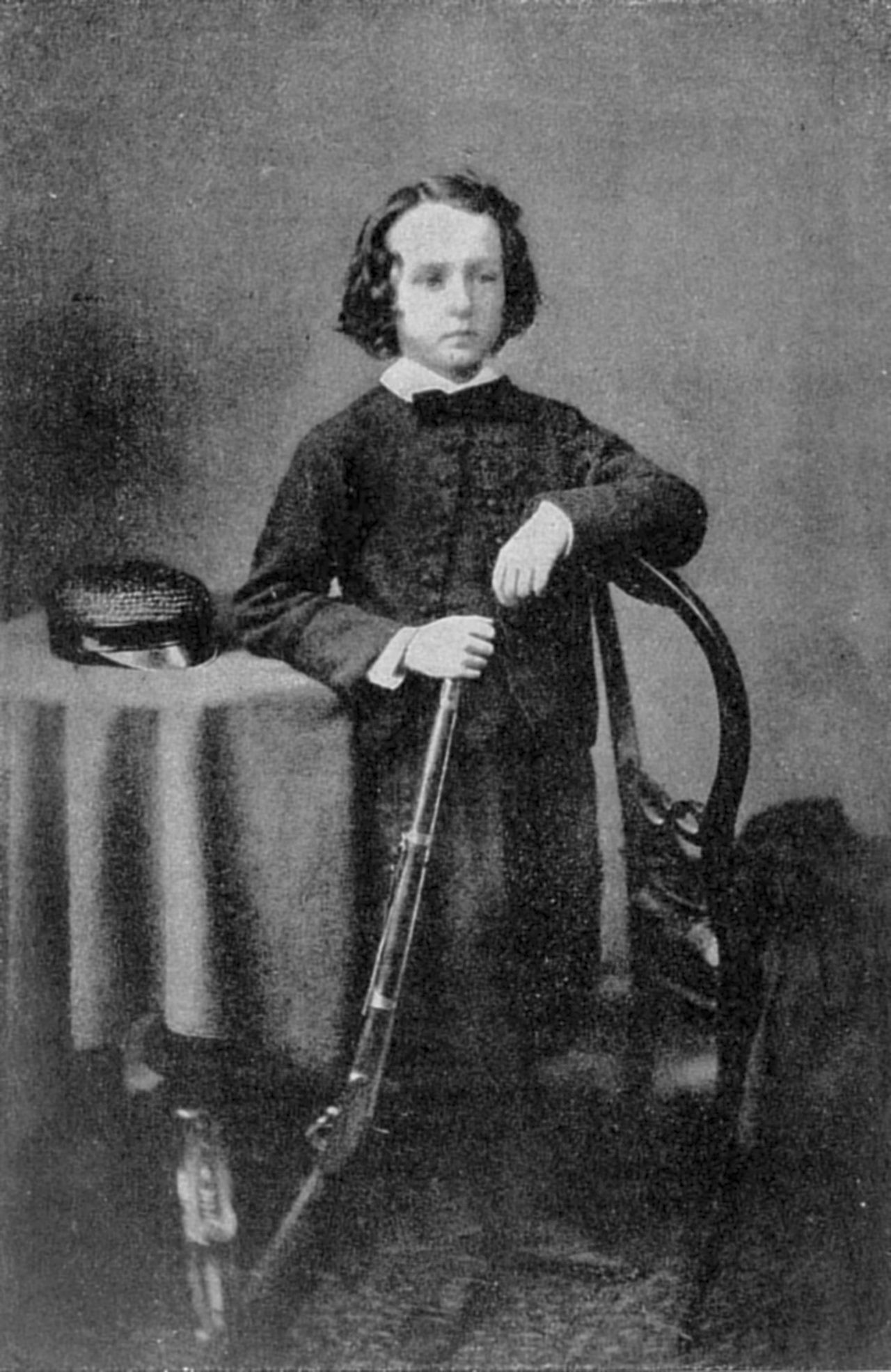
Rhodes was born in England in 1853, the son of an Anglican clergyman. As a youth he suffered from fragile health and at age 16 was sent to the British colony of Natal in southern Africa to recuperate. That move proved decisive: the diamond discovery in Kimberley and the expanding mineral economy offered rapid opportunities for investment and management. Rhodes worked in the diamond fields, developed business contacts and accumulated capital before returning briefly to study at Oriel College, Oxford. He then resumed his career in southern Africa, where his enterprises grew rapidly.
Business career: De Beers and commercial consolidation
Rhodes became a driving force behind consolidation in the diamond industry. Through a combination of investment, merger and sometimes hard bargaining, he helped to concentrate ownership and control of the diamond market, most notably through the company De Beers. The commercial structures he supported centralised production and marketing in ways that shaped international trade in gems and generated substantial wealth for their owners. His business methods were typical of the era's aggressive colonial capitalism and were later subject to scrutiny and regulation.
Political career and imperial projects
Rhodes entered formal politics and served as Prime Minister of the Cape Colony from 1890 to 1896. In office he favoured policies that promoted British influence and economic integration across southern Africa. He was a principal founder of the British South Africa Company, a chartered corporation established to obtain and administer territory north of the Cape; the areas it brought under British control were later grouped under the name Rhodesia. Rhodes allied with several political groupings in Britain and with local interests in the Cape, at times courting support from organisations such as the Irish Parliamentary Party in the complex politics of the period.
The Jameson Raid and political downfall
Rhodes's expansionary aims contributed to schemes that crossed legal and diplomatic lines. The ill-fated Jameson Raid of 1895, led by Leander Starr Jameson and associated with Rhodes's circle, attempted to provoke an uprising against the Boer-led government of the South African Republic. The incursion failed, strained relations between Britain and the Boer republics, and produced a public scandal that forced Rhodes to resign his premiership. The episode remains central in discussions of his methods and the limits of chartered company rule.
Views on race, empire and Freemasonry
Rhodes expressed and acted on views that many modern scholars characterise as supporting white political dominance and British imperial superiority. His policies discriminated against indigenous African peoples and helped entrench racial hierarchies in colonial institutions. At the same time, historians note complexity in motivations, mixing personal ambition, contemporary racial ideas and a belief in Anglo‑Saxon leadership. Rhodes was also a Freemason, an affiliation common among some political and commercial elites of his time.
Rhodes Scholarships and philanthropic bequest
In his will Rhodes endowed the Rhodes Scholarships, a programme to bring promising students from the British colonies, the United States, Germany and other territories to study at Oxford University. The scholarships were designed to promote leadership and international understanding among young men (and later women) chosen for academic achievement and character. Over more than a century the Rhodes Scholarships have become one of the most recognisable international academic awards, producing alumni who have served in public life worldwide.
Legacy, commemoration and contemporary debate
Rhodes's legacy is deeply contested. For some, he epitomises entrepreneurial energy and philanthropic influence; for others, he symbolises coercive colonial expansion and racial injustice. In the late 20th and early 21st centuries public debates have led to the reappraisal of monuments, place names and institutional commemorations associated with him. Campaigns to remove statues or rename buildings have prompted wider conversations about how imperial history is remembered and taught, and about reparative responses to colonial-era harms.
Death, estate and historical assessment
Rhodes died in 1902. His estate and corporate arrangements continued to shape southern African economic and political life for decades. Historians approach his career from multiple angles: as a case study in the relationship between commerce and empire; as a subject of philanthropic legacies that endure in higher education; and as a figure whose actions and ideas became focal points for debates about race, power and memory. Detailed archival research and major biographies provide the primary basis for these assessments.
Further notes
- Rhodes was born in South African contexts of empire and migration though his family origins were English; his biography crosses national and imperial boundaries.
- He helped create corporate structures for colonial administration, most visibly through the British South Africa Company.
- The Rhodes Scholarships remain active; their governance, eligibility and aims have been the subject of periodic reform and discussion.
- Public history projects and scholarly work continue to evaluate the complex consequences of his career for southern Africa and for global networks of education and power.
Readers seeking more detailed study should consult scholarly biographies, archival collections and works on the history of the Cape Colony, the Boer republics and the international diamond trade. Institutional histories of De Beers and the Rhodes Scholarships, together with recent scholarship on colonial memory, provide further context for understanding both the achievements and the controversies linked to Cecil Rhodes.
For primary records and curated materials, national archives and university libraries hold correspondence, business records and legal documents that illuminate Rhodes's activities. Biographical and historiographical literature explores differing interpretations of his motives, the consequences of his policies and the long-term effects of his philanthropy.
Related articles
Author
AlegsaOnline.com Cecil Rhodes: imperialist, businessman and founder of the Rhodes Scholarships Leandro Alegsa
URL: https://en.alegsaonline.com/art/17800