
Cecilia Payne-Gaposchkin: Pioneer of Stellar Composition and Astrophysics
British-born astronomer whose 1925 doctoral work showed stars are mostly hydrogen and helium; influential in stellar atmospheres, spectral analysis, variable-star catalogs, and mentoring at Harvard.
Cecilia Helena Payne-Gaposchkin (May 10, 1900 – December 7, 1979) was a British-born astronomer and astrophysicist who spent much of her career in the United States. Her research reshaped understanding of stellar composition and helped establish the physical study of stellar atmospheres as a rigorous field. She combined observational data with theoretical interpretation to address fundamental questions about stars.
Image gallery
9 Images




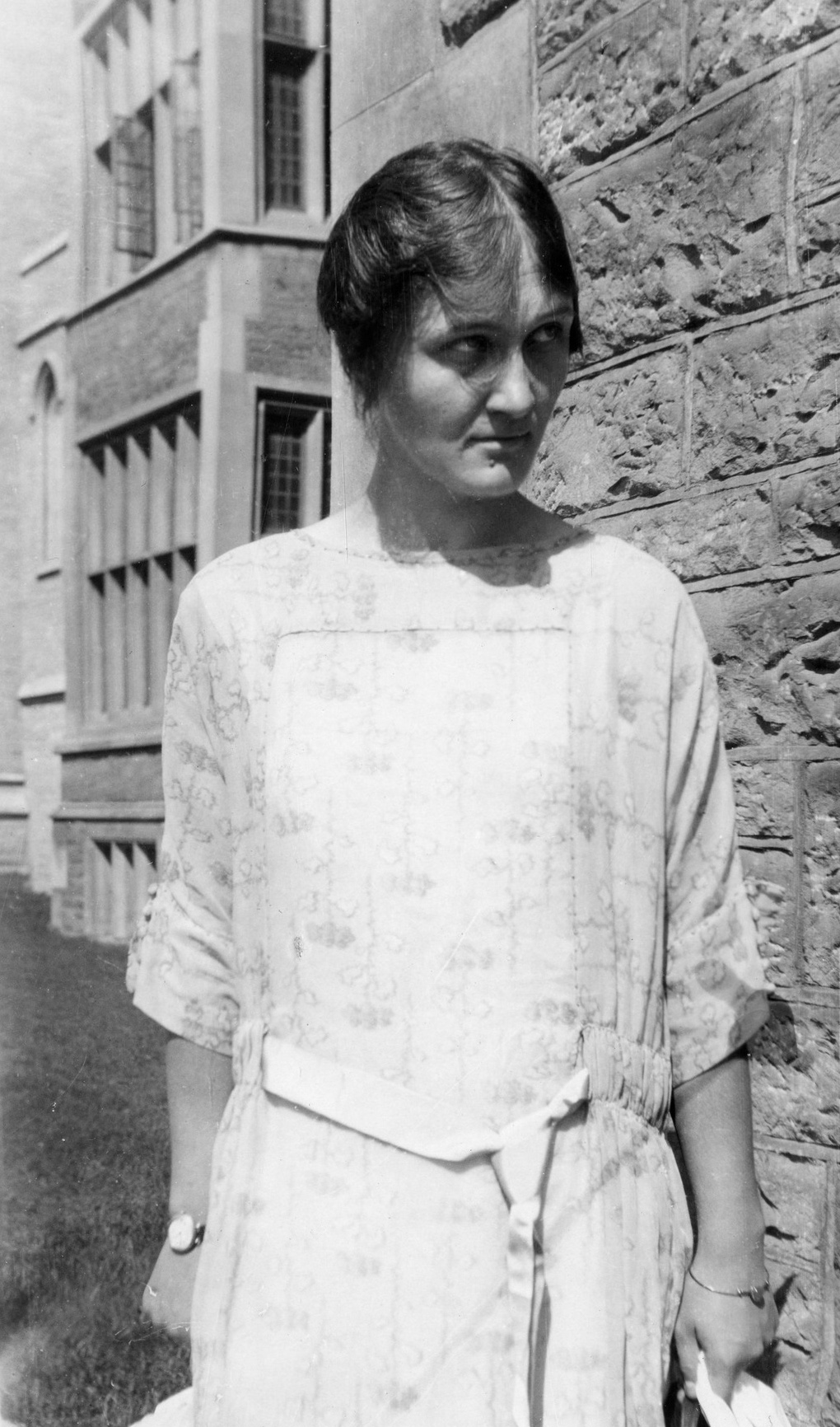
Major contribution: stellar composition
In her doctoral research, completed at Radcliffe College in the 1920s, Payne-Gaposchkin demonstrated that hydrogen and helium are by far the most abundant elements in stars. This conclusion challenged the prevailing view that stellar and terrestrial compositions were similar. Initially met with skepticism, her result was subsequently accepted and became a cornerstone of modern astrophysics.
Her thesis was developed into the influential work Stellar Atmospheres, which set out methods for interpreting stellar spectra and estimating temperatures, pressures, and chemical abundances. The techniques introduced there remain part of the foundation for spectroscopic analysis.
Career and research areas
Payne-Gaposchkin held long-term research and teaching roles associated with Harvard and its observatory, where she worked on spectral classification, the physics of stellar atmospheres, and extensive surveys of variable stars. Together with colleagues she compiled catalogs of variable stars in the Milky Way and nearby galaxies, advancing knowledge of stellar evolution and distance indicators.
She also mentored generations of students and helped open professional paths for women in astronomy. Her combination of theoretical insight and careful use of observational data influenced both practical techniques and the broader scientific picture of how stars live and change.
Legacy and notable facts
- Her 1920s doctoral conclusion that hydrogen dominates stellar mass overturned earlier assumptions about stellar chemistry.
- She published foundational texts and numerous catalogs that remain reference points for stellar astronomy.
- Her career at Harvard helped create opportunities for women scientists in observational and theoretical astrophysics.
- For further reading, see a concise biography and sources: Cecilia Payne-Gaposchkin — biography.
Cecilia Payne-Gaposchkin is remembered both for specific breakthroughs about composition and for advancing the methodology of stellar spectroscopy, leaving a lasting influence on astrophysics and the training of later researchers.
Related articles
Author
AlegsaOnline.com Cecilia Payne-Gaposchkin: Pioneer of Stellar Composition and Astrophysics Leandro Alegsa
URL: https://en.alegsaonline.com/art/17806