
Colony of Natal: history, people and legacy
British crown colony on Africa's southeast coast (1843–1910); formed after annexation of the Boer Republic of Natalia, grew a sugar economy, attracted Indian indentured labour and joined the Union of South Africa.
Overview
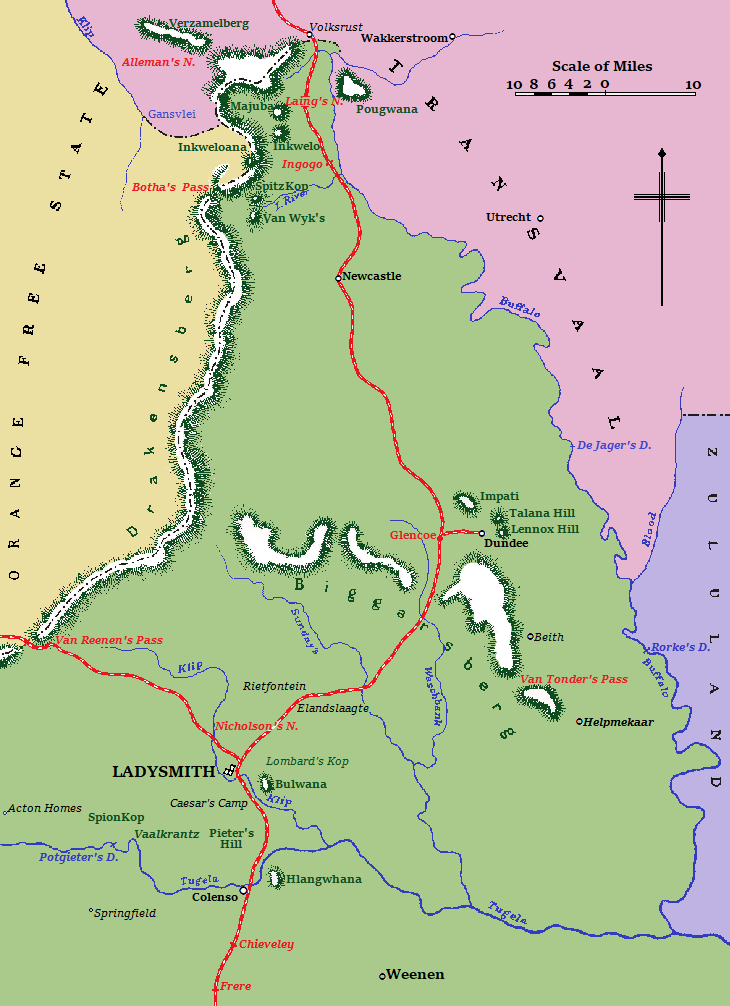
The Colony of Natal was a British possession on the southeastern coast of Africa established in the mid-19th century. Formally created as a crown colony, it included a coastal plain, inland uplands and the port town that grew into Durban, as well as the administrative centre at Pietermaritzburg. As a British colony Natal developed colonial institutions and settler society while remaining closely connected to neighbouring African polities and regional trade routes in southeastern Africa.
Image gallery
4 Images


Formation and early settlement
Natal was annexed by Britain on 4 May 1843 after the brief Boer Republic of Natalia (established by Afrikaner emigrants) lost political viability. British administration introduced colonial law, cadastral systems and new land policies that reshaped ownership and settlement. The colony attracted British immigrants and entrepreneurs who established farms, ports and municipal institutions over the following decades.
Population, migration and labour
The colony's population was multiethnic. Indigenous Zulu and other African communities continued to live under customary systems while European settlers—both British and Afrikaans—constituted landowning and administrative classes. From the 1860s many workers from British India arrived under indenture contracts to work largely on sugar plantations and in port services; a substantial number remained after their contracts ended and established long‑term communities, helping to shape Natal's urban culture.
Economy and governance
Natal's economy centred on agriculture, especially sugar cultivation, supported by trade through Durban's harbour and by local industries and services in growing towns. Colonial government combined a governor, appointed officials and legislative councils whose debates often focused on land tenure, labour regulation and relations with African polities. These institutions laid foundations that influenced later provincial administration.
Conflict and regional relations
The colony negotiated a complex relationship with neighbouring African states, most notably the Zulu kingdom. Military and diplomatic events in the region, including conflicts during the 19th century, affected Natal's security, settlement patterns and colonial policy. These interactions contributed to shifting boundaries and to how colonial authorities managed African land and labour.
Union, transformation and legacy
On 31 May 1910 the Colony of Natal joined three other British colonies to form the Union of South Africa, after which it ceased to exist as a separate crown colony. In the later Republic it became part of the province now called KwaZulu-Natal. The demographic mix created during the colonial era, including the Indian community and settler populations, remains a distinctive feature of the region within the Republic of South Africa.
Notable points
- Natal began as the Boer Republic of Natalia and was annexed by Britain in 1843.
- The colony played a significant role in regional trade because of its coastline and port facilities in modern Durban.
- Indentured labour from British India shaped the colony's labour force and cultural landscape.
- It joined the Union of South Africa in 1910 and later formed part of KwaZulu-Natal within the Republic of South Africa.
Related articles
Author
AlegsaOnline.com Colony of Natal: history, people and legacy Leandro Alegsa
URL: https://en.alegsaonline.com/art/21727
Sources
- archive.org : "Census of the British empire. 1901"