
Cebuano language (Bisaya)
Cebuano, often called Bisaya, is an Austronesian language of the Philippines spoken by roughly 20 million people across the Visayas and Mindanao, used in daily life, media, and regional literature.
Overview
Cebuano, commonly referred to as Bisaya, is an Austronesian language and one of the major languages spoken in the Philippines. Estimates put the number of native speakers at around 20 million, making it one of the largest Philippine languages by speaker population. The name "Cebuano" derives from Cebu, a central island where one influential variety developed, but the language has many regional dialects.
Image gallery
7 Images




Geographic distribution
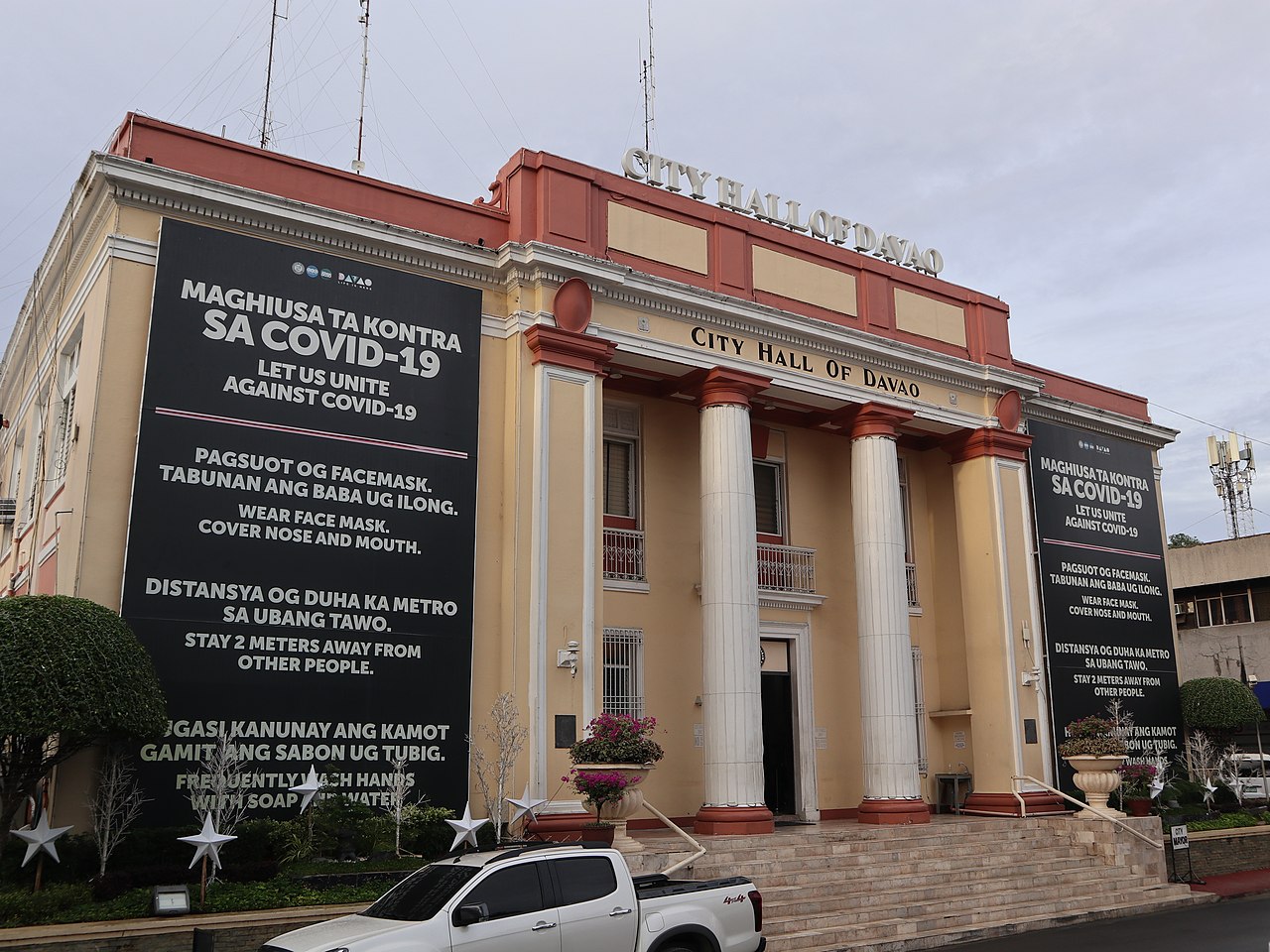
Cebuano is the dominant language in large parts of the central and southern Philippines. It is widely used throughout the Central Visayas and in western sections of the Eastern Visayas. Speakers are also found in some areas of western Palawan and across much of Mindanao. Urban migration and interregional contact have extended its presence into major cities and islands beyond its traditional base.
Linguistic characteristics
Cebuano shares many traits with other Philippine languages but has distinctive phonology, grammar, and vocabulary. Key features include:
- a verb-initial sentence tendency (commonly VSO or VOS word order), typical of many languages in the region;
- a voice or "focus" system used to mark which argument of the verb is highlighted, affecting verb morphology;
- a relatively simple vowel inventory and consonant set, written in the Latin alphabet for modern orthography;
- a rich system of affixation to indicate tense, aspect, mood, and derivation, which allows flexible word formation.
History and development
Cebuano evolved from Proto-Austronesian through the Central Philippine branch and developed distinctive local varieties over centuries of inter-island trade and settlement. During the mid-20th century, Cebuano was the most widely spoken language in the country for several decades; later demographic and political shifts increased the dominance of Tagalog in national use. Spanish and English have contributed loanwords, while local innovation and contact with neighboring languages shaped dialectal diversity.
Uses, media and cultural importance
Cebuano functions as a first language for everyday communication, commerce, broadcast media, and religious life in its areas of strength. Local radio, newspapers, television programming, and digital content in Cebuano support literacy and cultural expression. Folk literature, songs, and modern writing appear in both standard and regional forms. Common greetings and phrases circulate widely; for example, many speakers use shared Philippine greetings in informal speech. Education policy varies by region, so Cebuano may be used as a medium of instruction at the elementary level while national and international languages appear in higher schooling.
Related languages and distinctions
Cebuano belongs to the Visayan subgroup and is closely related to other central Philippine languages such as Hiligaynon and Waray. Mutual intelligibility with these languages ranges from partial to significant depending on the dialects compared. Within Cebuano itself, local varieties differ in pronunciation, vocabulary, and some grammar; speakers often identify strongly with their regional speech forms while still recognizing a common Cebuano identity.
Further reading: introductory grammars and dictionaries provide accessible routes for learners and researchers; community media and literary collections give insight into contemporary use and regional styles.
Related articles
Author
AlegsaOnline.com Cebuano language (Bisaya) Leandro Alegsa
URL: https://en.alegsaonline.com/art/17794
Sources
- en.wikivoyage.org : Cebuano phrasebook
- wikidata.org : wikidata.org/wiki/Q33239
- d-nb.info : 4147432-6
- id.ndl.go.jp : 00570247