
Chain mail (maille): construction, history and uses
Chain mail, or maille, is a flexible armor of interlinked metal rings. This article explains how it was made, its historical development, typical forms, advantages and modern uses.
Overview
Chain mail, often called mail or maille, is a type of protective armour formed from many small metal rings linked into a mesh. Its flexibility distinguishes it from plate armour: the linked rings drape over the body while still offering a barrier against cutting blows. Mail evolved in many regions and served both military and civilian protective roles for centuries.
Image gallery
10 Images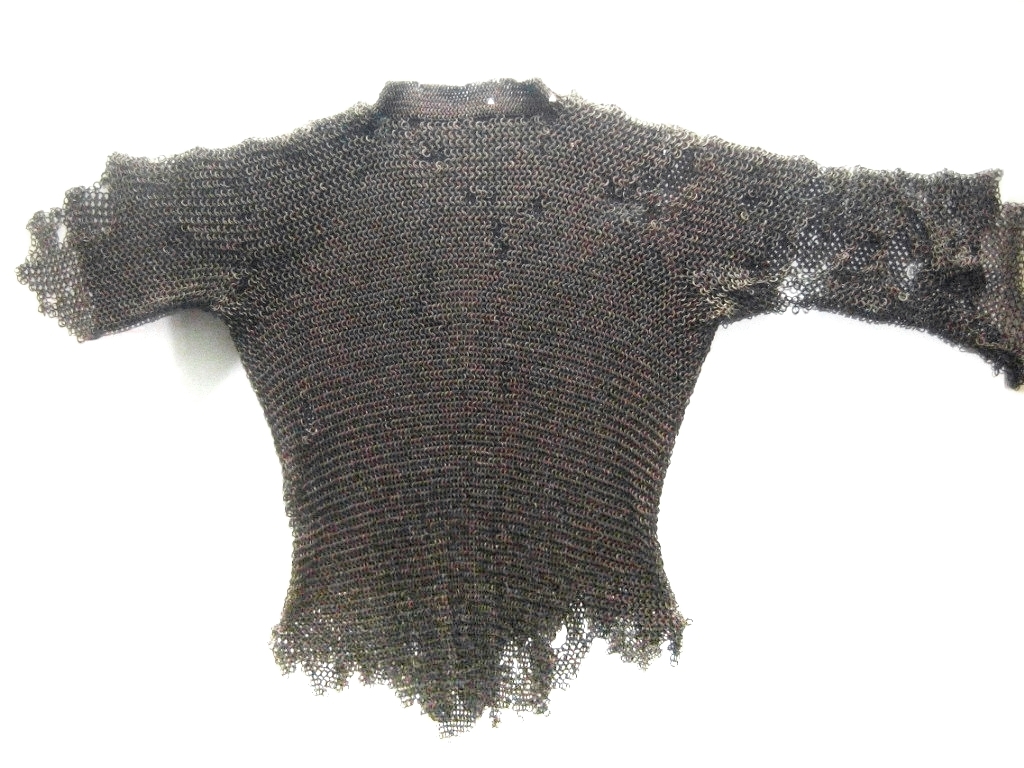


Construction and characteristics
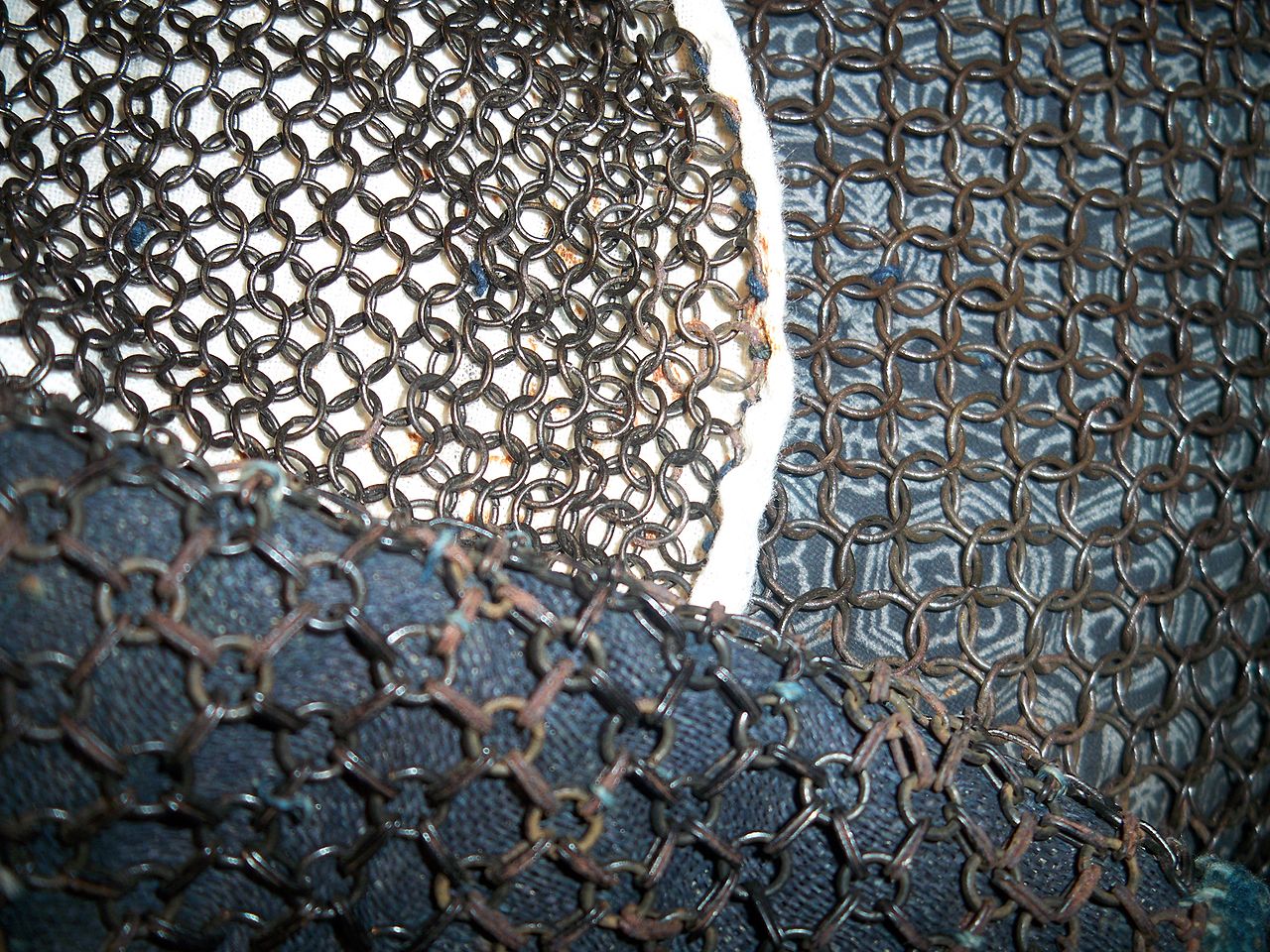
Typical mail is made from hundreds or thousands of small rings of iron or steel; some historic examples used other metal alloys. Rings were either butted (closed by pressing) or riveted (closed with a small rivet) to increase strength. The most common weave in Europe was the 4-in-1 pattern, where each ring connects to four neighbours, but many patterns exist. Mail garments include the long-sleeved hauberk, hood-like coif, mittens and chausses for the legs.
History and development
Archaeological and textual evidence suggests early forms of linked-ring protection appeared in Iron Age Europe; many scholars associate its origins with Celtic craftsmen and their innovations. The technique spread through trade, warfare and cultural contact: Romans adopted and adapted mail, it persisted through the medieval period across Europe and the Middle East, and was combined with plate elements as defensive needs changed.
Uses, advantages and limitations
- Advantages: excellent against slashing attacks, flexible, and relatively simple to repair.
- Limitations: less effective alone against powerful thrusts, arrows or blunt trauma; heavier when designed for full coverage.
- Forms: garments often resembled a sleeveless vest, a tunic-like hauberk or a hood (coif).
Manufacture, craft and modern relevance
Historically, making mail was labour-intensive: rings were drawn from wire, cut, shaped and closed, sometimes with individual riveting. Production could be centralized in workshops or done by travelling armourers. Today mail remains in use for practical purposes — protective gloves for butchers, shark-diving suits and historical reenactment — and attracts interest from metallurgists, conservators and hobbyists who study traditional techniques and preservation.
Notable facts and variations
Regional styles produced different ring sizes, closure methods and patterns. Variants such as plated mail or mail-and-plate combine benefits of both systems. For further reading and sources on regional examples and technical studies, see specialized resources and museum collections (Celts, early development, materials). Additional references and image collections can be found through general armour studies and curatorial catalogues (armour, garment forms).
Questions and answers
Q: What is chain mail?
A: Chain mail is a type of armor made up of small metal rings interlinked together in a particular pattern forming mesh.
Q: Who is credited with inventing mail armor?
A: The Celts are mostly credited with inventing mail armor.
Q: What was the form of Celtic mail armor?
A: The Celtic mail armor was usually made in the form of a vest.
Q: What material is chain mail made of?
A: Chain mail is made of small metal rings interlinked together in a specific pattern to form mesh.
Q: Is chain mail still used today?
A: Chain mail is not commonly used as armor today as it has been replaced with more innovative armor materials.
Q: What purpose did chain mail fulfill?
A: Chain mail served as armor to protect the wearer from the enemies' weapons like swords and arrows.
Q: Was chain mail only used by the Celts?
A: Chain mail was not only used by the Celts, but it was also used by different civilizations in the past, including the Romans, Greeks, and later on by medieval knights.
Related articles
Author
AlegsaOnline.com Chain mail (maille): construction, history and uses Leandro Alegsa
URL: https://en.alegsaonline.com/art/18336
Sources
- dictionary.cambridge.org : "chain mail" Cambridge dictionaries online
- commons.wikimedia.org : Mail_(armour)