
Chariot (ancient horse-drawn vehicle)
Two-wheeled, horse-drawn vehicle used from the Bronze Age for warfare, racing, hunting and ceremonial display; important in ancient military tactics, sport and mythology.
Overview
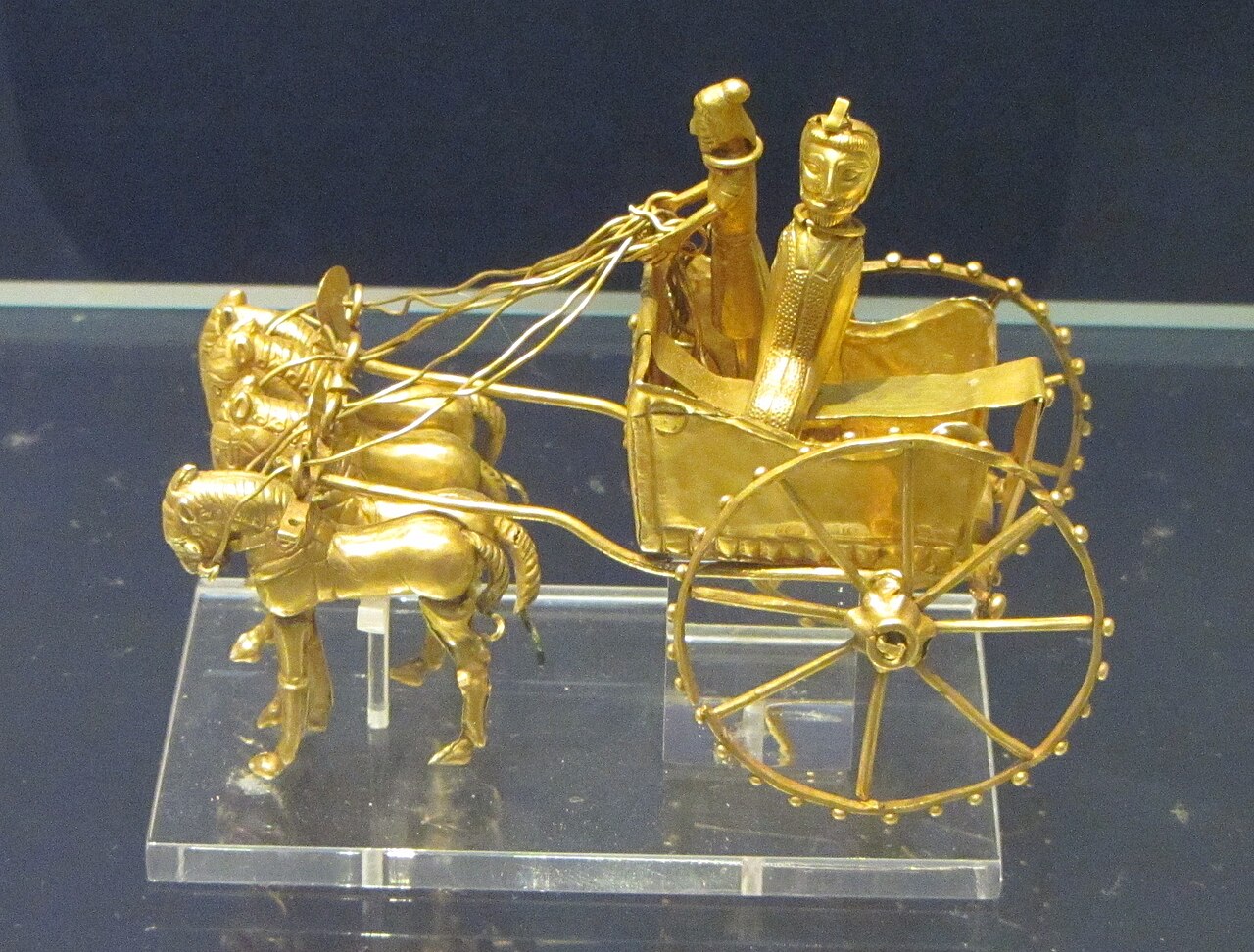
A chariot is a lightweight, horse-drawn vehicle, typically mounted on two wheels and driven by one or more people. Designed for speed and mobility, chariots were a distinctive mode of transport and platform for combat, hunting and public display in many ancient societies. The person who controls the team and vehicle is called a charioteer. For a general reference to vehicle types see transport.
Image gallery
10 Images




Design and components
Most classical chariots shared a compact layout optimized for a low profile and rapid movement. Key elements include:
- Frame and bed: a shallow box or platform where the occupants stood.
- Axle and wheels: a single axle with two spoked wheels designed to be light yet strong.
- Shafts or pole: timber poles that attached the draft animals to the body.
- Harness and yoke: fittings that distributed the load to horses or other animals.
Construction materials were usually wood, leather and metal for fittings; wheel design and spoke patterns evolved to improve strength and reduce weight.
Origins and spread
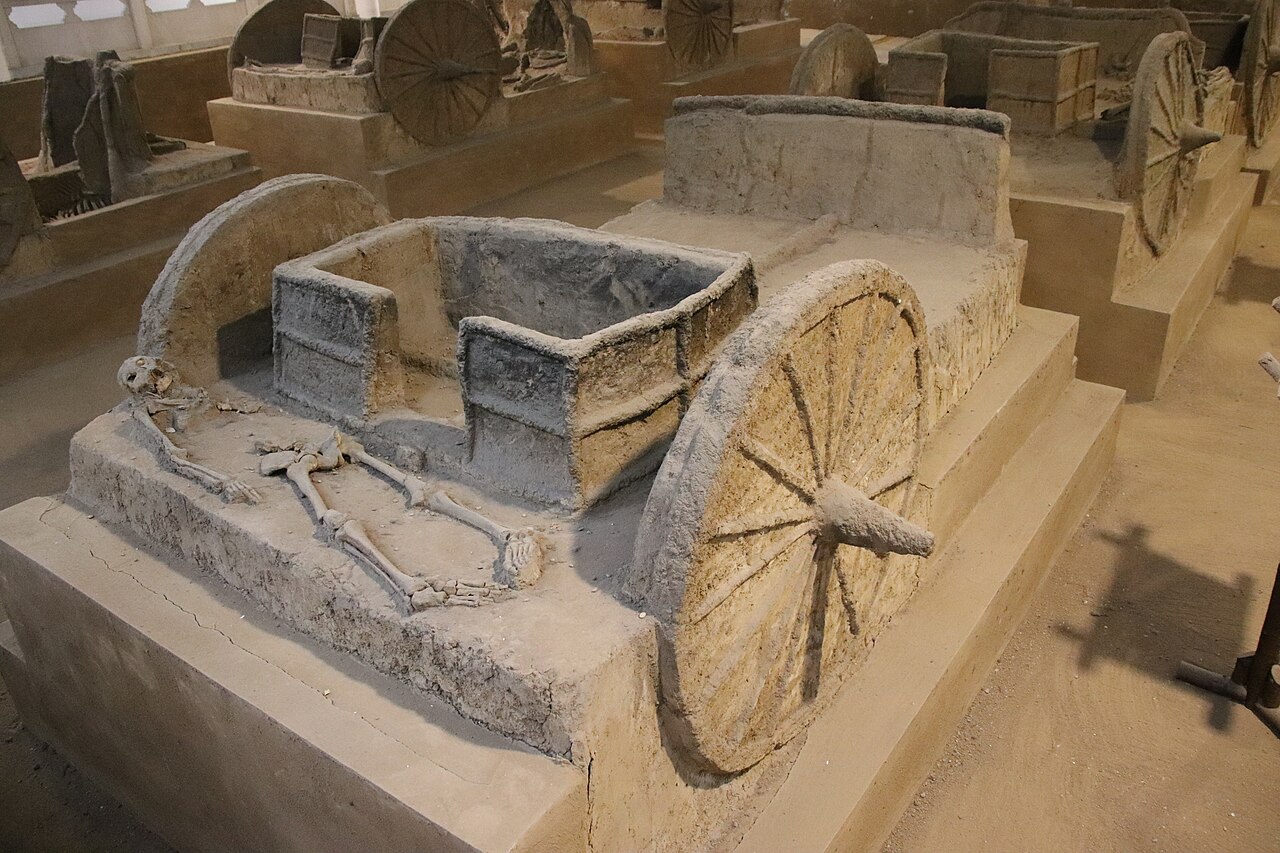
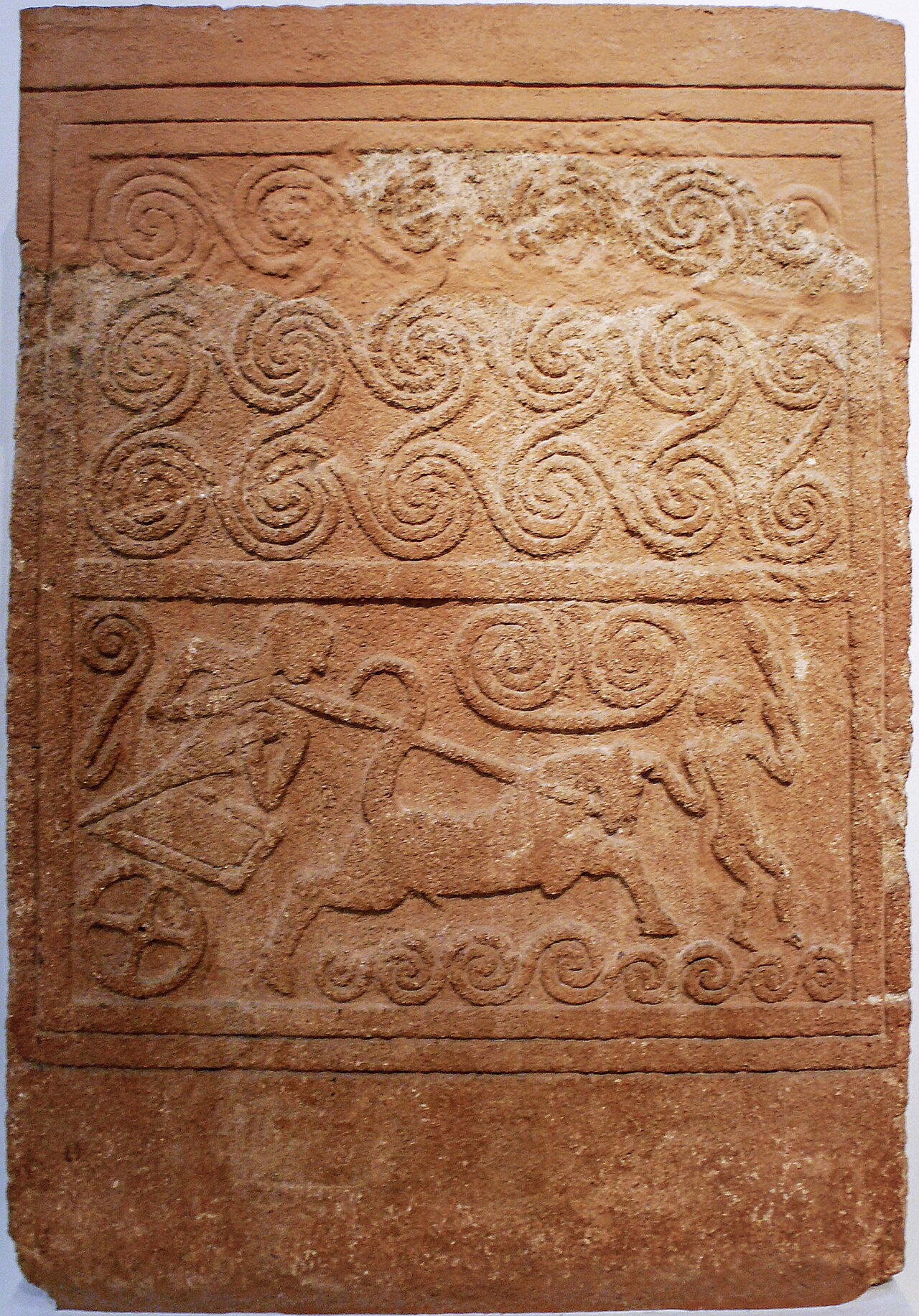
Archaeological evidence places the emergence of true chariots in the Bronze Age. They appear in archaeological horizons across the Near East, Central Asia and Europe during the second millennium BCE and were adopted and adapted by cultures such as those of Mesopotamia, Egypt, the Hittites and the Mycenaeans. For summaries of archaeological contexts see archaeological studies.
Uses and cultural importance
Chariots served several roles in antiquity:
- Military: used as mobile platforms for archers or spearmen; several famous battles emphasize chariot warfare.
- Sport: chariot racing was a popular public spectacle in Greek and Roman arenas and was included in major festivals and contests; see more on chariot racing.
- Hunting and display: royalty and elites used chariots for hunting and ceremonial processions.
- Funerary and symbolic: chariots appear in tombs and artistic motifs, symbolizing status and martial prowess.
Decline and legacy
From the late Bronze and early Iron Ages forward, improvements in horseback riding and cavalry tactics reduced the battlefield dominance of the chariot. Mounted cavalry, which required fewer animals and offered greater tactical flexibility, gradually superseded chariot units. Nevertheless, the chariot remains prominent in literature, art and myth—the vehicle features in epic narratives and religious stories across cultures. Classical mythology, for example, contains tales that link gods or heroes to chariots; Greek traditions include such associations often recounted in ancient verse and later retellings (Greek myth).
Notable facts: chariots are among the earliest widespread wheeled vehicles, they illustrate technological exchange across regions, and they helped shape military and sporting institutions that persisted long after their tactical decline.
Tags
Related articles
Author
AlegsaOnline.com Chariot (ancient horse-drawn vehicle) Leandro Alegsa
URL: https://en.alegsaonline.com/art/18664