
CBRNE: Chemical, Biological, Radiological, Nuclear and Explosive Hazards
Overview of CBRNE hazards: categories, effects, history, detection and emergency response. Explains distinctions between agents and summarizes prevention, treaties, and public-safety roles.
CBRNE is an acronym for Chemical, Biological, Radiological, Nuclear, and Explosive hazards. It groups several types of dangerous agents and devices that can cause mass casualties, infrastructure damage, and long-term contamination. The term is used in emergency management, public health, military planning, and law enforcement to describe threats that require specialized detection, protection, and response. For a basic definition see CBRNE overview.
Image gallery
10 Images





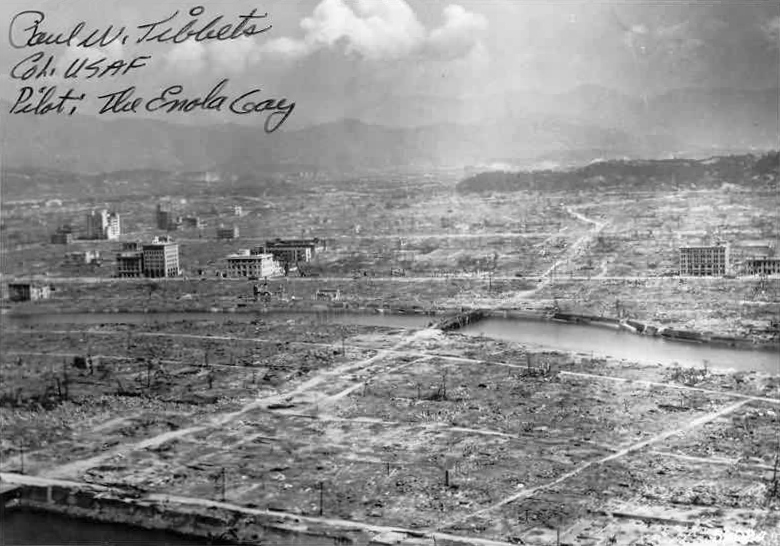
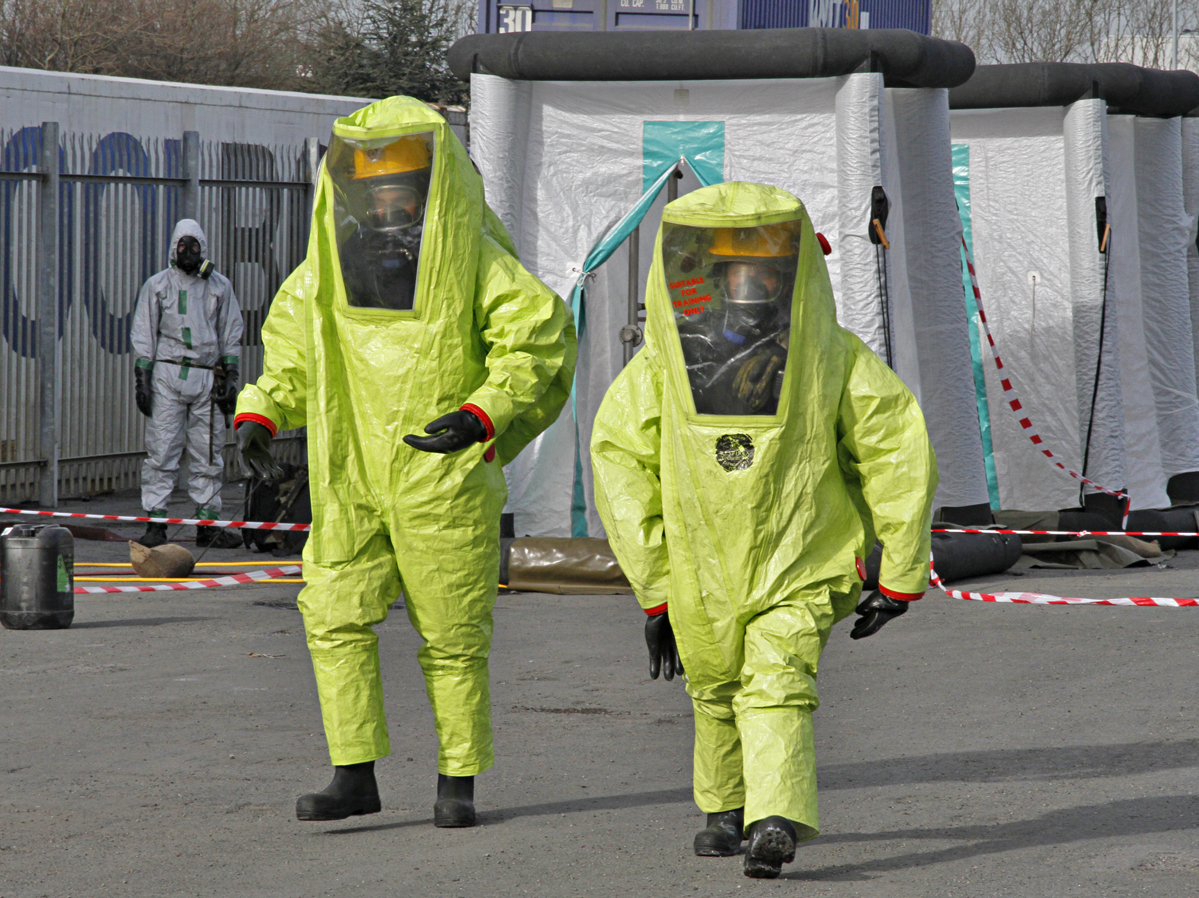


Categories and characteristics
Each letter in CBRNE refers to a distinct class of hazard with different properties, routes of harm, and mitigation needs. Chemical hazards include toxic industrial chemicals and nerve agents that harm by inhalation, ingestion, or skin contact. Biological hazards are living organisms or their toxins that can infect or poison people, animals, or crops. Radiological hazards involve radioactive materials that emit ionizing radiation; nuclear hazards refer to devices or reactions that produce massive energy and long-lived fallout. Explosive hazards cause blast, fragmentation, fire, and secondary contamination. These categories often overlap in real incidents: for example, an explosive device can disperse chemical or radiological material.
Detection, protection and medical effects
Responding to CBRNE incidents requires specialized detection tools, personal protective equipment, containment and decontamination procedures, and medical countermeasures. Detection may use chemical sensors, biosurveillance systems, radiation monitors, and forensic analysis. Protective strategies range from respirators and protective suits to shelter-in-place orders and evacuation. Medical effects vary by agent: chemical agents can cause respiratory failure or burns; biological agents can lead to infectious disease outbreaks; radiation exposure can produce acute sickness and increase long-term cancer risk; explosions cause trauma and burns. Early diagnosis and triage are critical.
History, treaties and notable incidents
Technologies underlying CBRNE hazards have evolved from industrial chemistry, microbiology, nuclear physics, and conventional explosives. Throughout the 20th and 21st centuries, militaries and some nonstate actors have explored or used chemical, biological and nuclear weapons, prompting international controls and treaties. Conventions and agreements aim to prohibit development and stockpiling of certain agents, restrict dissemination, and establish verification and enforcement mechanisms. Both accidental events and deliberate attacks have shaped policy and preparedness; industrial disasters and nuclear accidents have highlighted the need for regulation and emergency planning. Further reading on historical policy is available at policy sources.
Response, prevention and planning
Preparedness balances prevention, detection and response. Prevention includes safety standards, secure storage, export controls and international cooperation. Detection combines environmental monitoring, clinical surveillance and intelligence. Response involves coordinated actions by public health, hazmat teams, emergency medical services, fire departments and law enforcement. Typical response steps include incident assessment, scene isolation, evacuation or sheltering, decontamination, medical treatment, and longer-term recovery. Training exercises, stockpiles of antidotes and vaccines, and public communication plans are common elements of readiness; see resources for responders at response guidance.
Distinctions and important considerations
- Radiological vs nuclear: radiological hazards disperse radioactive material, while nuclear events involve explosive release of nuclear energy and much larger fallout.
- Chemical vs biological: chemical effects are typically immediate and dose-dependent; biological agents can reproduce, spread person-to-person, and have incubation periods.
- Explosive hazards pose direct trauma risk and often complicate response by scattering other hazardous materials.
Awareness of CBRNE risks informs public policy and emergency services. Because of their potential scale and complexity, CBRNE incidents are treated as high-priority threats in national security and public-health planning. For additional introductory material and technical guidance, consult authoritative sources and preparedness organizations: general information portals are listed at risk information, legal frameworks at international conventions, and operational guidance at responder resources.
Questions and answers
Q: What does CBRNE stand for?
A: CBRNE stands for Chemical, Biological, Radiological, Nuclear, and Explosive materials.
Q: Why are CBRNE materials dangerous?
A: CBRNE materials are dangerous because they can hurt many people.
Q: What are CBRNE weapons commonly used for?
A: CBRNE materials are used as weapons of mass destruction.
Q: When can CBRNE events happen accidentally?
A: CBRNE events can happen accidentally.
Q: What did a report from the White House in 2011 say about CBRNE weapons?
A: The report from the White House in 2011 said that "there is no greater danger to the [United States] than a terrorist attack with a weapon of mass destruction."
Q: What are countries around the world doing to prevent CBRNE attacks?
A: Countries around the world are working on preventing CBRNE attacks and learning how to react to them if they do happen.
Q: Why is it important to prevent and react to CBRNE attacks?
A: It is important to prevent and react to CBRNE attacks because these materials are very dangerous and can cause harm to many people.
Related articles
Author
AlegsaOnline.com CBRNE: Chemical, Biological, Radiological, Nuclear and Explosive Hazards Leandro Alegsa
URL: https://en.alegsaonline.com/art/17770
Sources
- ceep.ca : "What is CBRN?"
- whitehouse.gov : A National Strategy for CBRNE Standards
- disasters.org : Introduction to CBRNE Terrorism: An Awareness Primer and Preparedness Guide for Emergency Response
- trumanlibrary.org : "U.S. Strategic Bombing Survey: The Effects of the Atomic Bombings of Hiroshima and Nagasaki, June 19, 1946. President's Secretary's File, Truman Papers"
- bbc.co.uk : "Fact File: Hiroshima and Nagasaki"
- pbs.org : "The Atomic Bomb (6 and 9 August 1945)"
- world-nuclear.org : "Hiroshima, Nagasaki, and Subsequent Weapons Testing"
- bostonglobe.com : "Injury toll from Marathon bombs reduced to 264"