
Charles Frederick Worth — Founder of Modern Haute Couture
Charles Frederick Worth (1825–1895), an English-born designer who worked in Paris, established the House of Worth and helped create the systems, techniques and business model of modern haute couture.
Overview
Charles Frederick Worth (13 October 1825 – 10 March 1895) was an English-born fashion designer and entrepreneur whose work in Paris became central to the emergence of what is now called haute couture. Born in Bourne, Lincolnshire, he spent most of his professional life in Paris, where his name became associated with luxury, bespoke dress and a new model of designer-led fashion. His career is commonly cited in discussions of the origins of the Paris couture system (haute couture).
Image gallery
10 Images
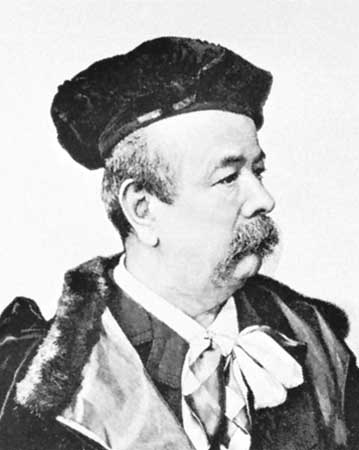

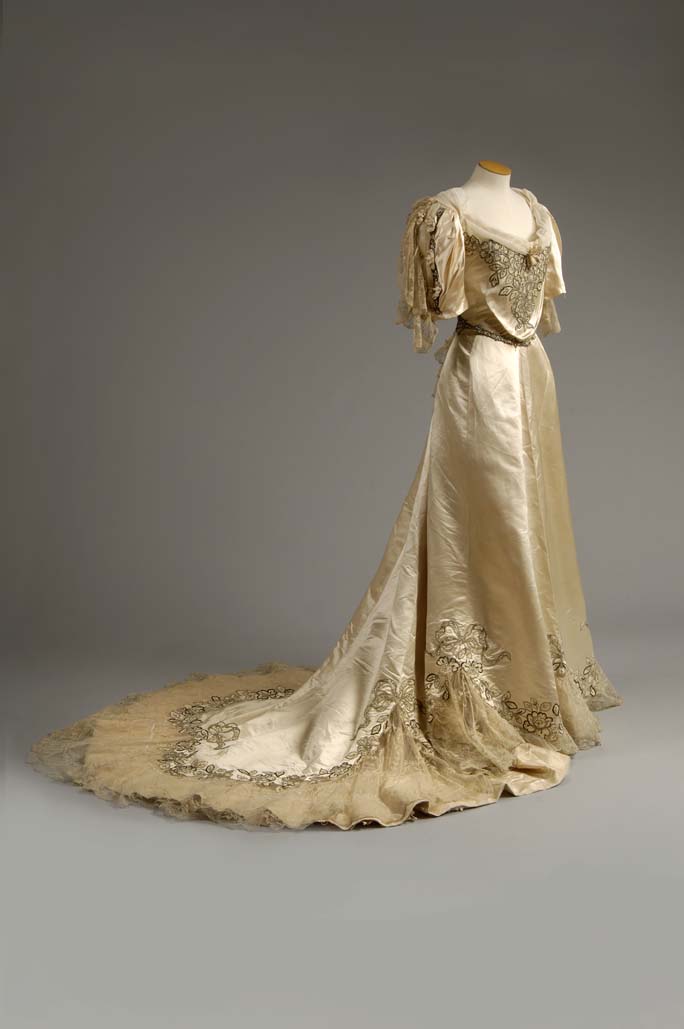


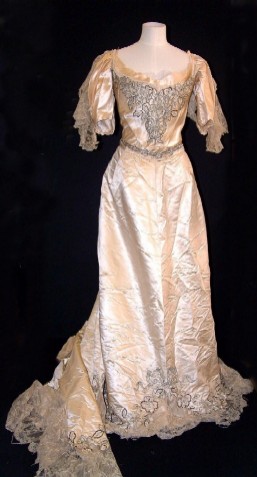


Early career and the House of Worth
Worth trained in cloth and dressmaking techniques that combined tailoring precision with rich textiles and ornament. After gaining experience in London and Paris workshops, he established his own firm, the House of Worth, which became known for custom gowns made to the highest standards of finish. His salon attracted aristocratic and wealthy clients across Europe and North America, including prominent court figures of the time.
Innovations and working methods
Worth is often credited with introducing a series of organizational and commercial practices that helped shape the modern fashion house. He moved toward a designer-centered model in which the creator presented styles to clients rather than only responding to clients’ direct instructions. He popularized showing garments on live models, signing and labeling dresses with the maker’s name, and preparing seasonal proposals that guided clients’ choices. These practices emphasized the role of artistic direction alongside skilled manufacture.
Style, materials and technique
Worth’s ensembles typically combined structured construction with luxurious materials such as fine silks, velvets and laces. He drew on the era’s technical supports—corsetry and structured foundations—to produce the fashionable silhouettes of the mid- and late 19th century, from voluminous skirts to later hourglass shapes. His ateliers coordinated cutters, embroiderers and seamstresses under a principal designer, producing garments that were fitted through multiple salon appointments.
Business model and institutional influence
Beyond individual garments, Worth helped define a business model for a named fashion house: a public-facing salon, a studio of skilled artisans, regular presentation of new designs and relationships with elite patrons. Over time, such practices contributed to the institutional development of Parisian couture; bodies that later regulated and protected the designation haute couture trace aspects of their professional logic to the environment in which Worth worked.
Legacy and collections
The House of Worth continued after his death and its archives and surviving garments are studied by museums and historians as key examples of 19th-century luxury dress and technique. Worth’s name remains synonymous with the early shift toward designer authorship in fashion. For concise biographical summaries and visual examples see linked resources: biographical notes, period fashion examples, and studies of designer practice.
Assessment
Historians usually describe Worth as a major innovator rather than the sole inventor of couture. He was one of several practitioners who professionalized dressmaking and combined artistic direction with commercial organization. His influence is most visible in the structures, presentation methods and reputation economy that continue to shape high fashion.
Questions and answers
Q: Who was Charles Frederick Worth?
A: Charles Frederick Worth was an English fashion designer of the 19th century, widely considered the Father of Haute Couture.
Q: Where were Worth's designs produced?
A: Worth's designs were produced in Paris.
Q: What is the Parisien Chambre Syndicale de la Haute Couture?
A: The Parisien Chambre Syndicale de la Haute Couture is an organization that was conceived by Charles Frederick Worth. It has the legal authority to decide who may use the term haute couture.
Q: What is the significance of Charles Frederick Worth in the world of fashion?
A: Charles Frederick Worth is widely considered the Father of Haute Couture, and his influence on the fashion industry was significant.
Q: When was Charles Frederick Worth born?
A: Charles Frederick Worth was born on October 13, 1825.
Q: Where was Charles Frederick Worth born?
A: Charles Frederick Worth was born in Bourne, Lincolnshire.
Q: When did Charles Frederick Worth die?
A: Charles Frederick Worth died on March 10, 1895, in Paris.
Related articles
Author
AlegsaOnline.com Charles Frederick Worth — Founder of Modern Haute Couture Leandro Alegsa
URL: https://en.alegsaonline.com/art/18780
Sources
- britannica.com : Encyclopedia Britannica article
- books.google.com : Business builders in fashion – Charles Frederick Worth – the Father of Haute Couture
- books.google.com : Couture sewing techniques
- answers.com : "charles-frederick-worth"