
Cartagena, Colombia — Caribbean port city and historic walled center
Coastal city on Colombia's Caribbean coast famed for its fortified colonial Old Town, San Felipe fortress, busy port and lively cultural scene. Founded in 1533, it is the capital of Bolívar Department.

Cartagena, formally Cartagena de Indias, is a major coastal city on the northern shore of Colombia. It serves as the administrative centre and capital of the Bolívar Department and is an important hub for tourism, commerce and maritime traffic. The city's name commemorates the Mediterranean port of Cartagena in Spain and its historic ties to Spanish colonization; local pronunciations are recorded in both Spanish (Spanish pronunciation) and English (English pronunciation).
Image gallery
10 Images






Geography and urban character
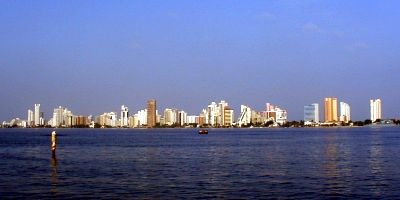
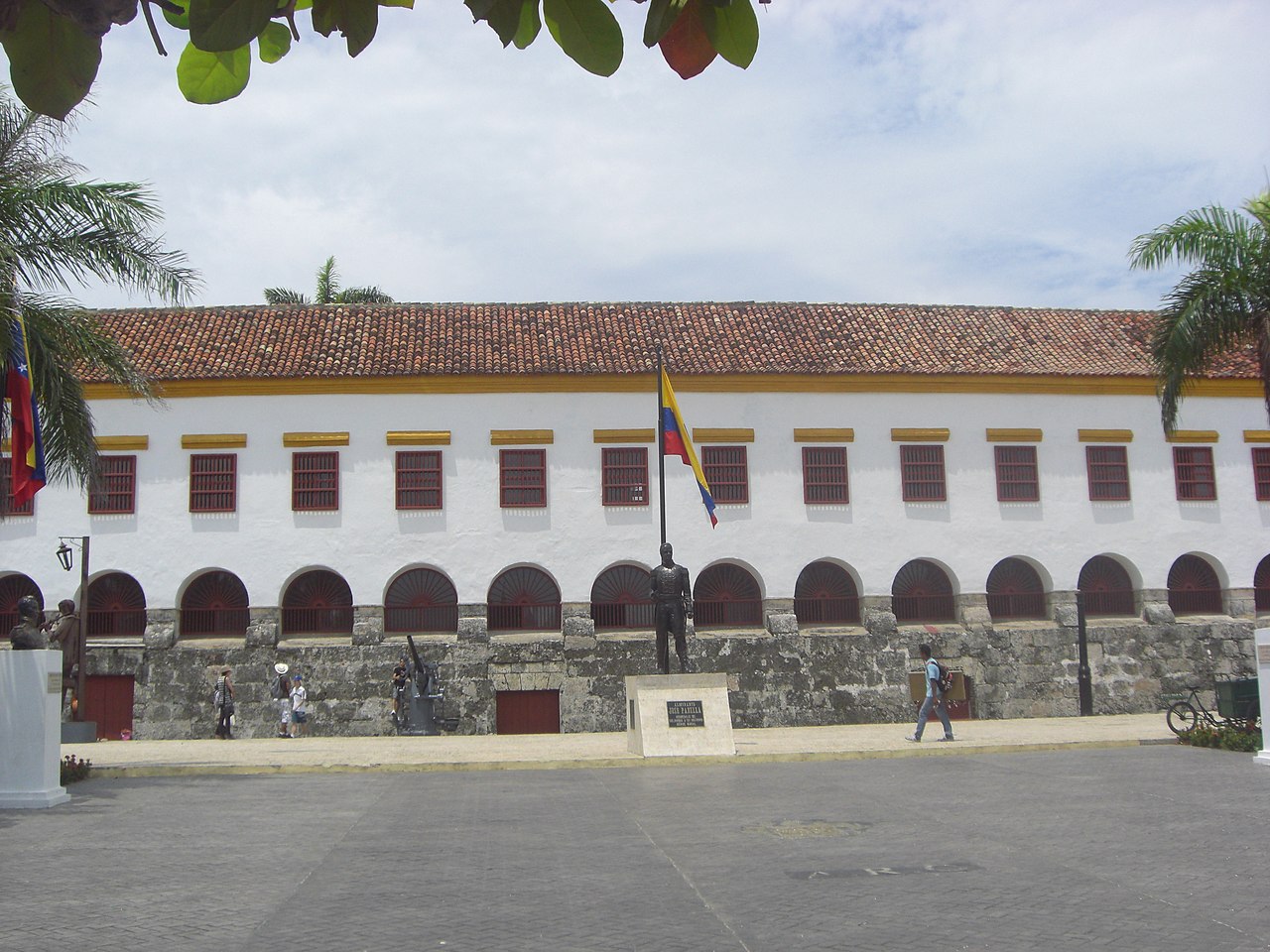
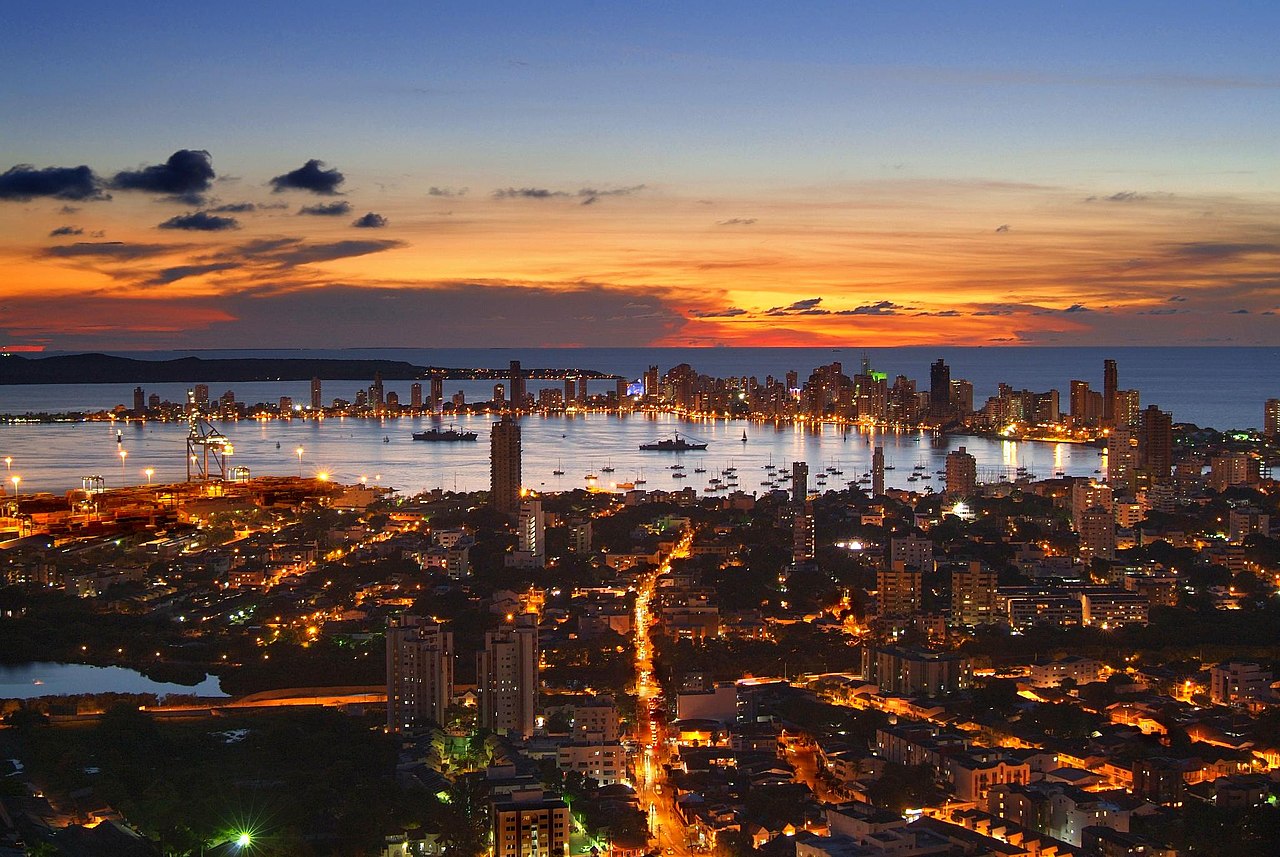
Located on the Caribbean Sea, Cartagena combines a preserved colonial centre surrounded by walls with newer districts, industrial port facilities and beach-lined neighborhoods. The oldest area, often called the Walled City or Ciudad Amurallada, contains narrow streets, plazas and restored colonial buildings. Modern zones such as Bocagrande and the port area provide hotels, commerce and industry. The climate is tropical — hot, humid and influenced by sea breezes.
History and development
Founded in 1533 by the Spanish conquistador Pedro de Heredia, Cartagena quickly grew into one of the principal ports of Spain's American empire. It played a pivotal role in transatlantic trade, including the shipment of precious metals and the forced movement of enslaved people, and was repeatedly targeted by privateers and rival powers. Its system of fortifications and forts, including the Castillo San Felipe de Barajas and the city walls, reflect that strategic legacy. The historic core and fortifications are recognized for their cultural value and attract visitors and scholars alike; the city's colonial significance is linked to broader patterns of early Spanish settlement.

Landmarks and notable sites
- Ciudad Amurallada — a compact, fortified historic district of plazas, churches and colonial houses.
- Castillo San Felipe de Barajas — an extensive hilltop fortress built to defend the port.
- Convento de la Popa — a convent offering panoramic views of the city and harbor.
- Bocagrande and beach areas — modern hotel corridors and seaside recreation.
- Getsemaní — a district known for street art, nightlife and cultural activity.
Economy, culture and events
Tourism is a principal economic driver, supported by heritage conservation, festivals and conferences. Cartagena hosts cultural events such as international film and literary gatherings that draw national and global attention. Its port remains one of Colombia's busiest, handling containers, cruise ships and regional trade; nearby industrial and petrochemical facilities add to the metropolitan economy.
Distinguishing facts
- The city's historic core and military architecture are widely cited in travel and heritage literature and linked to the broader history of the Spanish empire and departmental governance.
- Cartagena's name connects it to Spanish geography and history; the link to the Murcia region of Spain is part of that toponymic origin (Murcia).
- Its blend of preservation and contemporary urban life makes Cartagena both a living city and a destination for studies of colonial architecture, conservation and coastal urbanism.
Visitors and researchers come for the architecture, promenades, museums and waterfronts, while residents maintain vibrant cultural traditions and modern economic activity. Cartagena remains a prominent symbol of Colombia's Caribbean identity and historical connections with Europe, Africa and the Americas.
Tags
Related articles
Author
AlegsaOnline.com Cartagena, Colombia — Caribbean port city and historic walled center Leandro Alegsa
URL: https://en.alegsaonline.com/art/17311