
Murcia, Spain: city overview, geography, history and culture
Murcia is the capital of the Region of Murcia in southeastern Spain. A historic agricultural and cultural centre in the Segura valley, known for its cathedral, university, festivals and Mediterranean produce.
Overview
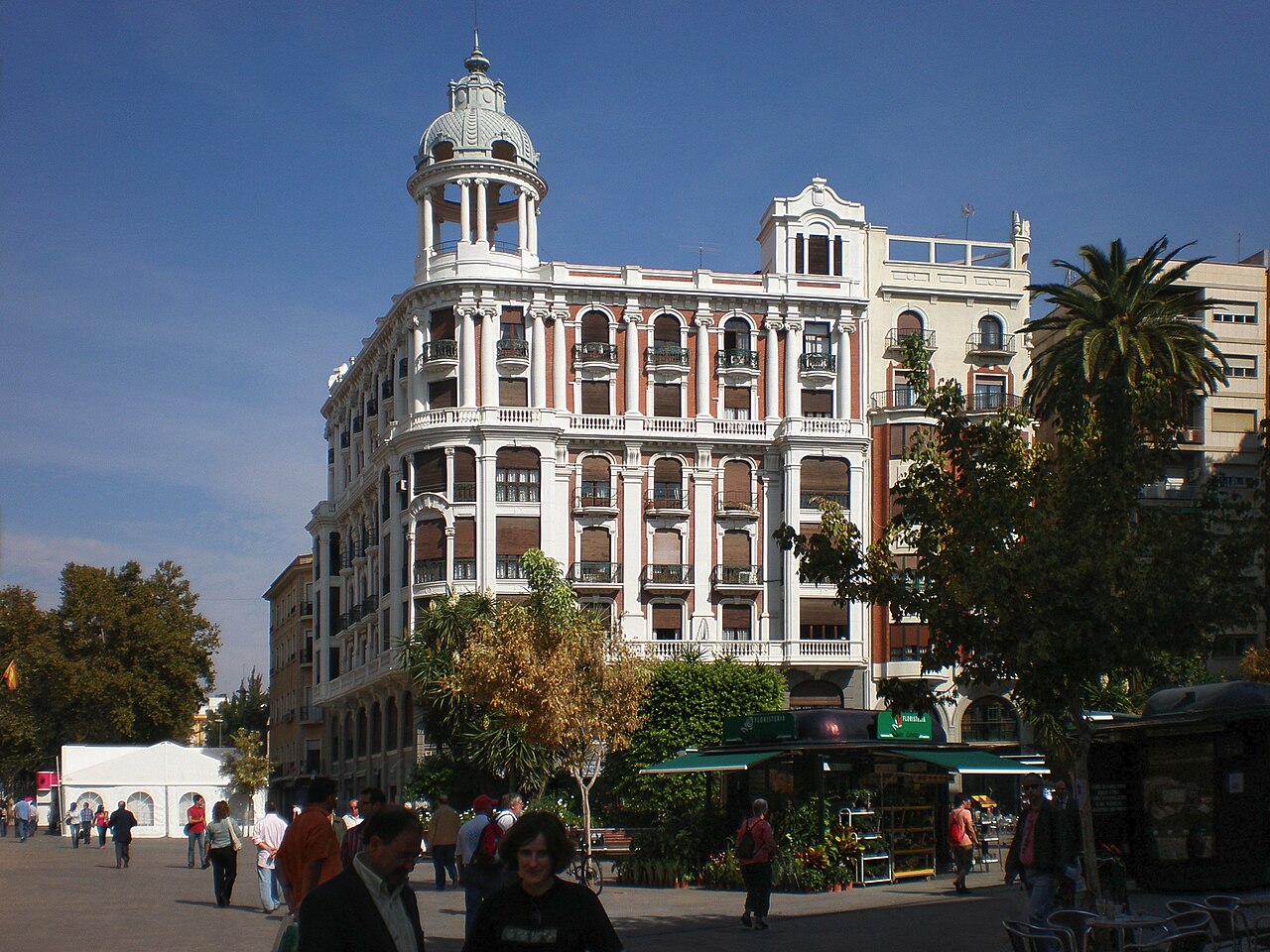
Murcia is the capital of the Region of Murcia and one of the principal cities of southeastern Spain. The municipality covers a large area and its population is commonly reported at around 420,000 in the city with a wider metropolitan area of more than 740,000 people. The urban fabric mixes historic neighbourhoods, tree‑lined promenades along the river and modern quarters that serve as a regional centre for administration, education and commerce.
Image gallery
10 Images




Geography and climate
The city lies in the valley of the Segura river and in the irrigated plain known as la Huerta de Murcia. This fertile area has supported intensive horticulture for centuries and remains important for local food production. Murcia has a Mediterranean‑influenced, warm to hot climate with relatively low annual rainfall and marked seasonal warmth; summers are typically hot and dry while winters are mild.
Agriculture and economy
Agriculture and food processing continue to be central to the regional economy. Typical crops grown in the huerta include oranges, lemons, tomatoes and onions, alongside other fruits and vegetables characteristic of Mediterranean lands. In recent decades the local economy has diversified: manufacturing, services, logistics, education and a growing export sector complement traditional farming.
History and urban development
Murcia has a layered history shaped by Iberian, Roman, Islamic and medieval Christian influences. Its street pattern, surviving monuments and some place names reflect this succession of cultures. Over time the city expanded from the river plain onto surrounding low hills and plains, adapting irrigation and flood‑control works to manage the Segura.
Culture, festivals and cuisine
Murcia is noted for its lively cultural calendar, which includes religious observances, spring festivals and events that celebrate local traditions and gastronomy. The city has a strong culinary identity based on fresh produce from the huerta and Mediterranean recipes. Local specialties and elaborate Holy Week processions attract visitors and reflect a deep regional heritage.
Education and research
The city is a regional educational hub. The University of Murcia and other higher‑education institutions contribute to research, cultural life and a significant student population that shapes parts of the urban economy and social scene.
Main sights and visiting information
- The Cathedral of Murcia, noted for its richly decorated facade and interior combining late Gothic and Baroque elements; more details are often presented in guides to the cathedral.
- Museums, including collections related to regional art and the work of local sculptors, historic theatres and civic buildings.
- Public parks, river promenades and the irrigated gardens of la Huerta, which remain a visible feature of the city’s landscape.
Transport and practical matters
Murcia is connected by regional roads, rail services and an airport serving the wider region. Public transport and road links tie the city to neighbouring provinces and to the Mediterranean coast. Visitors will find a range of accommodation, cultural venues and markets where local produce is prominent.
Murcia combines agricultural heritage, historic architecture and modern services. Its position in the Segura valley has shaped both its economy and way of life, and the city remains a focal point for culture, education and commerce in southeastern Spain.
Related articles
Author
AlegsaOnline.com Murcia, Spain: city overview, geography, history and culture Leandro Alegsa
URL: https://en.alegsaonline.com/art/67605