
Aledo, Illinois
Aledo is a small city and county seat in western Illinois. It serves as a local commercial and civic center for a rural agricultural region and retains a compact historic downtown and community institutions.
Overview
Aledo is a small municipality in Illinois, located in the rural part of the Midwestern United States. It functions as a local hub for surrounding farms and smaller towns, offering municipal services, schools, retail businesses and civic institutions that serve a broader county area.
Image gallery
3 Images

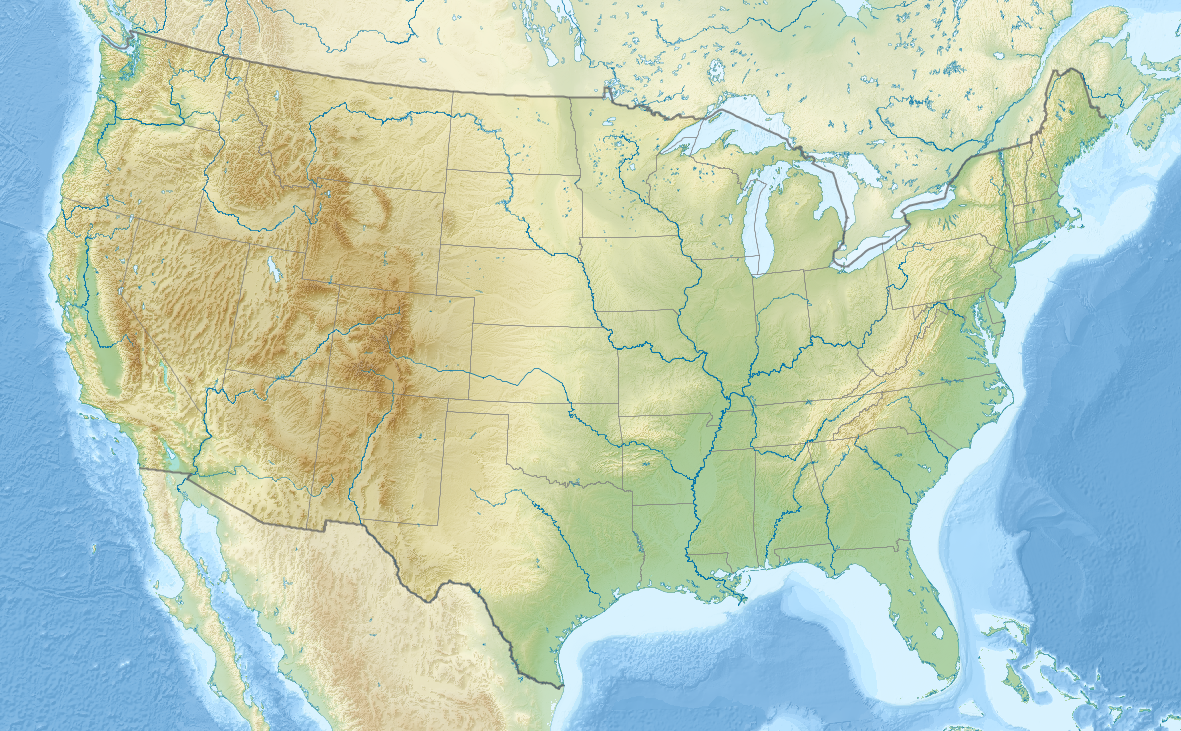
Setting and character
The city is set within an agricultural landscape and typically features a compact downtown with historic commercial buildings clustered around a courthouse square or main street. Residential neighborhoods of mixed ages extend from the center, and the surrounding countryside is dominated by fields, pastures and seasonal crops. The setting gives Aledo the characteristics of many small Midwestern county seats: community-focused, with a slower pace than urban centers.
History and development
Aledo developed during the 19th century as settlement expanded westward across the state. Like many towns founded in that era, its growth was shaped by agriculture, local trade and transportation links that connected farms to markets. Over time the community established public institutions such as schools, a courthouse and municipal government that reinforced its role as a county center.
Economy, services and culture
The local economy is anchored by agriculture, small manufacturing, retail, health care and public administration. Community life often centers on school sports, civic clubs, seasonal fairs and cultural events that draw residents from surrounding areas. Local businesses typically include family-owned shops, restaurants, professional services and contractors who support rural households and farms.
Government, education and infrastructure
Aledo is governed through local municipal structures—commonly a mayor and council—and houses county-level services when it serves as a county seat. Education is provided by public elementary and secondary schools, and community facilities often include a public library, parks and recreational programs. Transportation is based on regional roads and state highways that link to larger urban areas.
Notable features and distinctions
- Historic downtown architecture and a visible civic core reflect its role as a county center.
- Community institutions—schools, libraries and civic organizations—play a central role in local life.
- Its economy and rhythms are closely tied to the surrounding agricultural region.
Tags
Related articles
Author
AlegsaOnline.com Aledo, Illinois Leandro Alegsa
URL: https://en.alegsaonline.com/art/2248
Sources
- mercercommunities.com : "Mercer County Communities"
- aledoil.org : "Contact - City of Aledo, Illinois" · web.archive.org
- www2.census.gov : "2016 U.S. Gazetteer Files"
- aledomainstreet.com : "Aledo Main Street"