
Carpal Tunnel Syndrome: causes, symptoms, diagnosis and management
Overview of carpal tunnel syndrome: how it develops, common symptoms, diagnostic methods, treatment options, prevention and prognosis for wrist median nerve compression.
Carpal tunnel syndrome (CTS) is a condition caused by compression of the median nerve as it passes through the wrist's carpal tunnel. It produces sensory changes and sometimes weakness in the hand and is one of the best-known nerve compression disorders. The condition may develop gradually and affects daily tasks such as gripping, typing, or household activities. For general patient information see resources on hand problems.
Image gallery
6 Images
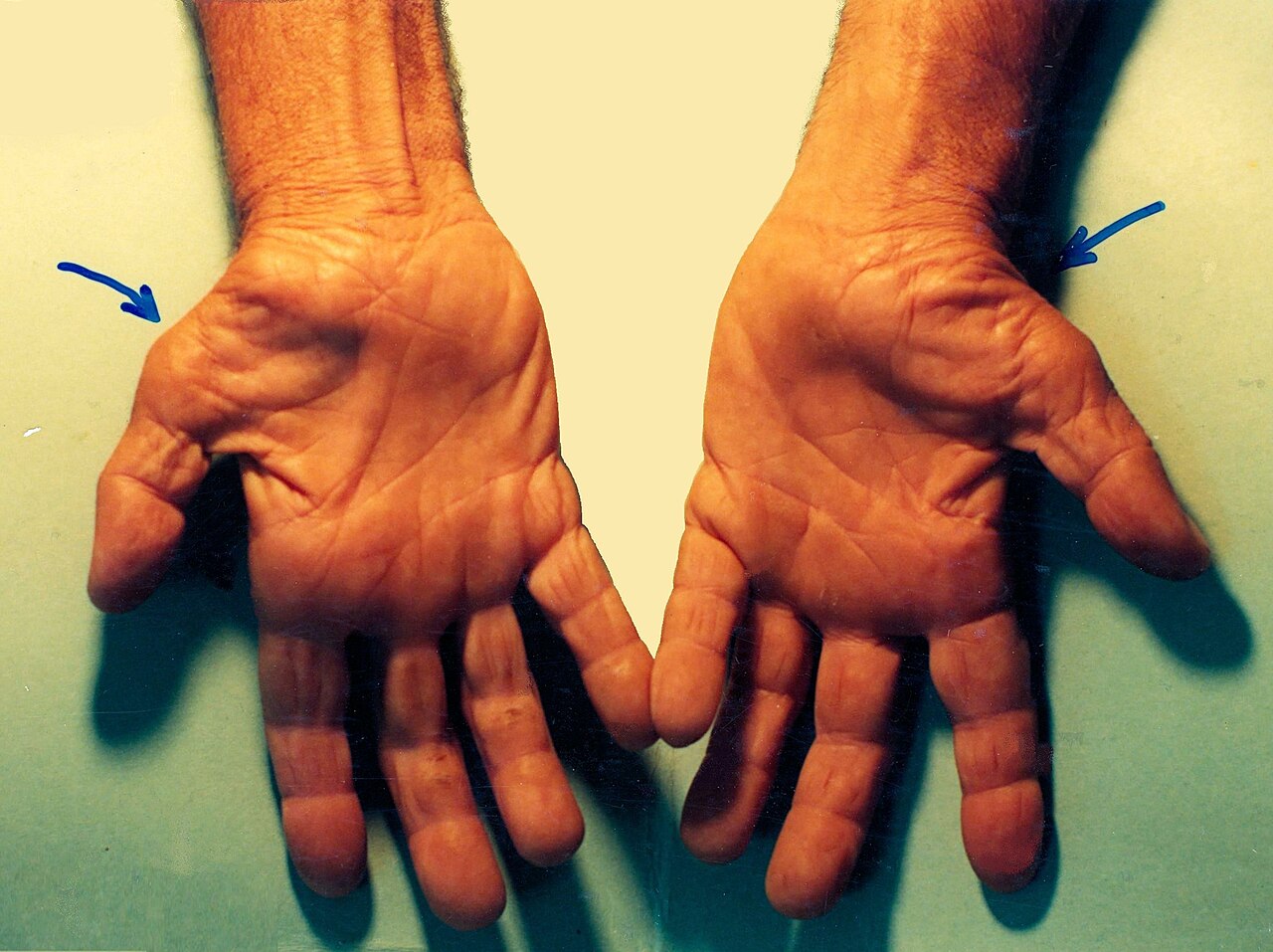



Typical features and symptoms
Common early symptoms include numbness, tingling, or burning sensations in the thumb, index, middle and radial side of the ring finger. Symptoms are often worse at night or when the wrist is flexed. With progression, people may experience decreased manual dexterity, dropping objects, or weakness of pinch and grip. Clinical signs can include a positive Tinel's or Phalen's test on examination.
Causes and risk factors
Compression arises when pressure within the carpal tunnel increases or the tunnel's contents swell. Contributing factors include repetitive wrist motions, prolonged flexion or extension, inflammatory conditions, fluid retention, or anatomical differences. Age, certain metabolic disorders and pregnancy are recognized risk factors, and workplace activities can contribute, though causation is multifactorial rather than single-cause.
Diagnosis and evaluation
Diagnosis combines symptom history, physical examination and, when needed, electrodiagnostic testing (nerve conduction studies) to assess median nerve function. Imaging such as ultrasound or MRI may be used in atypical cases. A primary care clinician, neurologist or hand specialist typically coordinates evaluation; see guidance at clinical resources.
Treatment options
Initial management focuses on activity modification, wrist splinting (especially at night), and short-term anti-inflammatory measures. Corticosteroid injections into the carpal tunnel can provide temporary relief. Persistent or severe cases may be treated surgically by relieving pressure on the median nerve through carpal tunnel release. Rehabilitation, ergonomics and hand therapy support recovery.
Prevention, prognosis and notable facts
Many people improve with conservative care, though some require procedures for lasting benefit. Preventive strategies emphasize ergonomic adjustments, regular breaks during repetitive tasks, and attention to systemic health issues. CTS is frequently studied in occupational health, and outcomes are generally favorable when diagnosed and managed appropriately. For additional patient education and referral materials consult trusted clinical sites.
Related articles
Author
AlegsaOnline.com Carpal Tunnel Syndrome: causes, symptoms, diagnosis and management Leandro Alegsa
URL: https://en.alegsaonline.com/art/17220