
Cedars-Sinai Medical Center
Nonprofit tertiary academic hospital in Los Angeles offering advanced clinical care, research and medical education; a major regional referral center with hundreds of beds and thousands of staff.
Cedars-Sinai Medical Center is a nonprofit, tertiary academic health center in the Mid-City West neighborhood of Los Angeles. As a major regional referral hospital it combines patient care, medical research and professional training at a single urban campus. The institution serves a broad population and treats complex medical and surgical conditions that require multidisciplinary expertise. Official information and services are available through its public resources.
The main campus sits in the Beverly Grove area and is widely associated with Los Angeles' medical community. It maintains substantial inpatient capacity—reported at several hundred beds—and a large clinical workforce. The medical staff comprises over two thousand physicians and the total workforce numbers approximately ten thousand employees, supporting care delivery across acute, outpatient and specialty programs. For geographic context see local listings for Beverly Grove and Los Angeles, California.
Image gallery
5 Images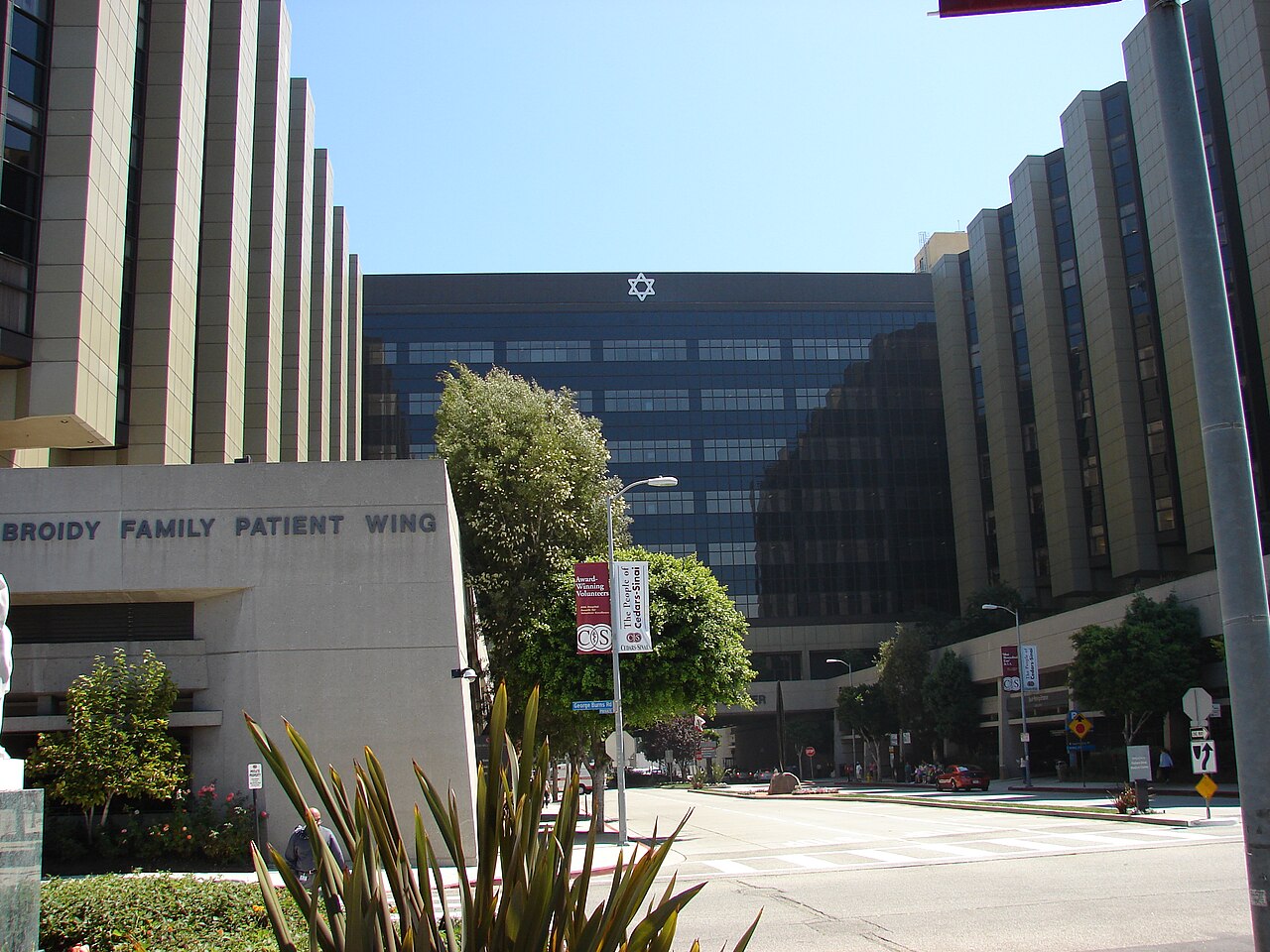


Clinical services and specialties
The center offers wide-ranging specialties including cardiology and cardiac surgery, organ transplantation, oncology, neurosciences, orthopedics and high-risk obstetrics. It functions as a tertiary referral center, meaning it receives patients needing advanced diagnostics, complex surgical procedures and long-term care coordination. Many programs incorporate multidisciplinary teams—physicians, nurses, therapists and allied health professionals—and emphasize evidence-based protocols and quality metrics. A searchable directory highlights clinical faculty and areas of practice: physician directory.
Research and education are core missions. The institution hosts research laboratories and clinical trials in areas such as precision medicine, immunology, regenerative medicine and population health. Its academic programs include graduate medical education (residencies and fellowships), continuing professional development and collaborations with other universities and research organizations. These activities support translation of discoveries into new treatments and improved patient outcomes.
Origins of the medical center trace to mid-20th-century community hospitals that combined resources to create a larger academic hospital; over decades it expanded into its current role through growth in clinical programs, research institutes and philanthropic support. The campus has adapted to evolving technology, incorporating advanced imaging, minimally invasive surgery and electronic health records to support coordinated care.
Role and notable aspects
- Regional referral hub for complex and rare conditions.
- Integrated missions of patient care, research and medical education.
- Large interdisciplinary workforce and many specialized programs.
- Active participation in clinical trials and translational research.
Beyond inpatient care, the center maintains outpatient clinics, community outreach programs and partnerships aimed at addressing public health needs in the greater Los Angeles area. Its foundation and philanthropic supporters have funded expansions in research and patient services, helping to sustain high-acuity programs and innovation in clinical care.
Related articles
Author
AlegsaOnline.com Cedars-Sinai Medical Center Leandro Alegsa
URL: https://en.alegsaonline.com/art/17828
Sources
- cedars-sinai.edu : "Locations & Directions"
- lincolnaward.org : "Bulletin of the National Center for Healthcare Leadership" · web.archive.org
- media.metro.net : "Westside Subway Extension: Community and Neighborhood Impacts Report"
- medscape.com : "Suspension of Privileges Improves Physician Adherence to Hand Hygiene"
- computerworld.com : "100 Best Places to Work in IT in 2009"