
Castration
Removal or suppression of gonadal function in males or females by surgical, chemical, or other means. Used in medicine, animal husbandry, historical roles and some legal contexts; raises medical and ethical issues.
Castration is any procedure or treatment that removes or suppresses the reproductive function of the gonads. In biological terms it results in loss of testicular function in males or ovarian function in females. The term covers permanent surgical removal, reversible hormonal suppression and historical techniques that produced similar outcomes.
Image gallery
5 Images



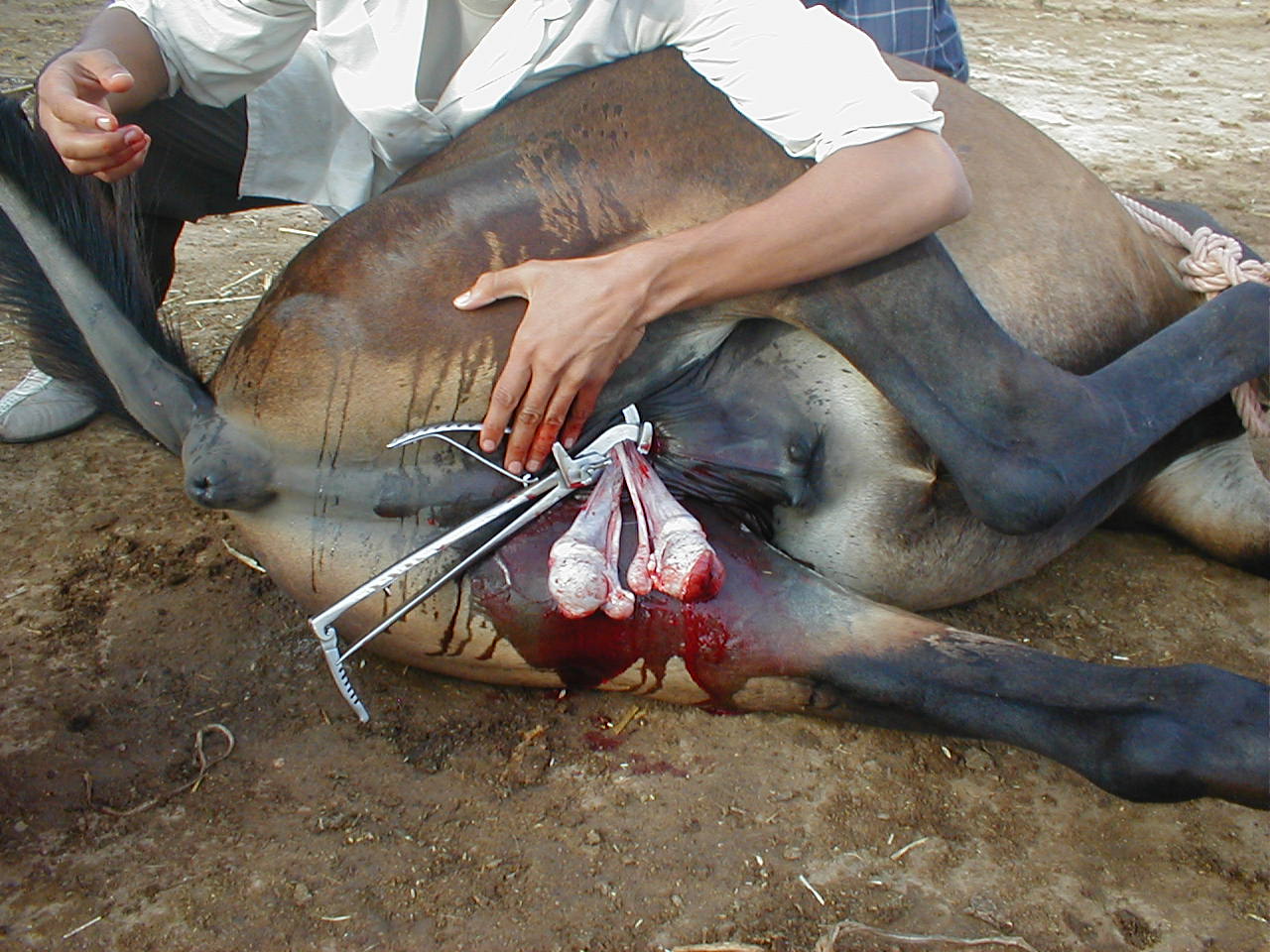
Methods
- Surgical castration: physical removal of the testes (orchiectomy) or ovaries (oophorectomy), typically permanent and performed for medical or veterinary reasons.
- Chemical castration: medications such as GnRH analogs or antiandrogens reduce sex hormone production and libido without surgery; effects are often reversible when treatment stops.
- Other approaches: historically, a range of non-surgical techniques have been used; modern practice emphasizes safety, standards and informed consent.
Historically, castration has been practiced for many reasons: in animal husbandry to modify behavior and meat quality, in some societies to create eunuchs for court or administrative roles, and as punishment or religious rite in others. With advances in anesthesia and antisepsis, castration became part of standard surgical practice; specialized operations such as ovariectomy are now routine in some clinical contexts.
Uses and importance
- Medical: management of advanced prostate cancer, selected hormone-sensitive conditions, and as a component of some gender-affirming care plans.
- Veterinary: population control, reduction of aggressive or mating behaviors, and certain agricultural practices.
- Legal/forensic: chemical castration has been used in some jurisdictions as a court-ordered or voluntary treatment in specific cases.
Effects include permanent infertility (for surgical forms), reduced sex hormones, diminished libido (it can act as an anaphrodisiac), changes in body composition and bone density, and potential psychological impacts. Medical aftercare often involves hormone-replacement therapy, monitoring and psychosocial support.
Distinctions matter: castration differs from sterilization procedures such as vasectomy or tubal ligation because castration typically reduces systemic sex-hormone production rather than merely preventing gamete transport. Contemporary practice is governed by ethical, legal and animal-welfare considerations, with emphasis on consent, clear indications and minimizing harm.
Related articles
Author
AlegsaOnline.com Castration Leandro Alegsa
URL: https://en.alegsaonline.com/art/17539
Sources
- targethealth.com : "On Target, July 27 2003"
- washingtonpost.com : In Darfur, My Camera Was Not Nearly Enough