
Celtic cross
A ringed or wheel cross associated with early medieval Insular art, originating in Ireland and Britain; used as monumental stone crosses, grave markers, and a modern cultural symbol.
The Celtic cross is a type of Christian cross distinguished by a ring or circle that surrounds the intersection of the vertical and horizontal arms. It appears principally in early medieval art from Ireland and western Britain but has become a widely recognized emblem of Celtic identity and heritage. The form combines the basic shape of a Christian cross with a circular element that unites structural and symbolic functions.
Image gallery
1 Image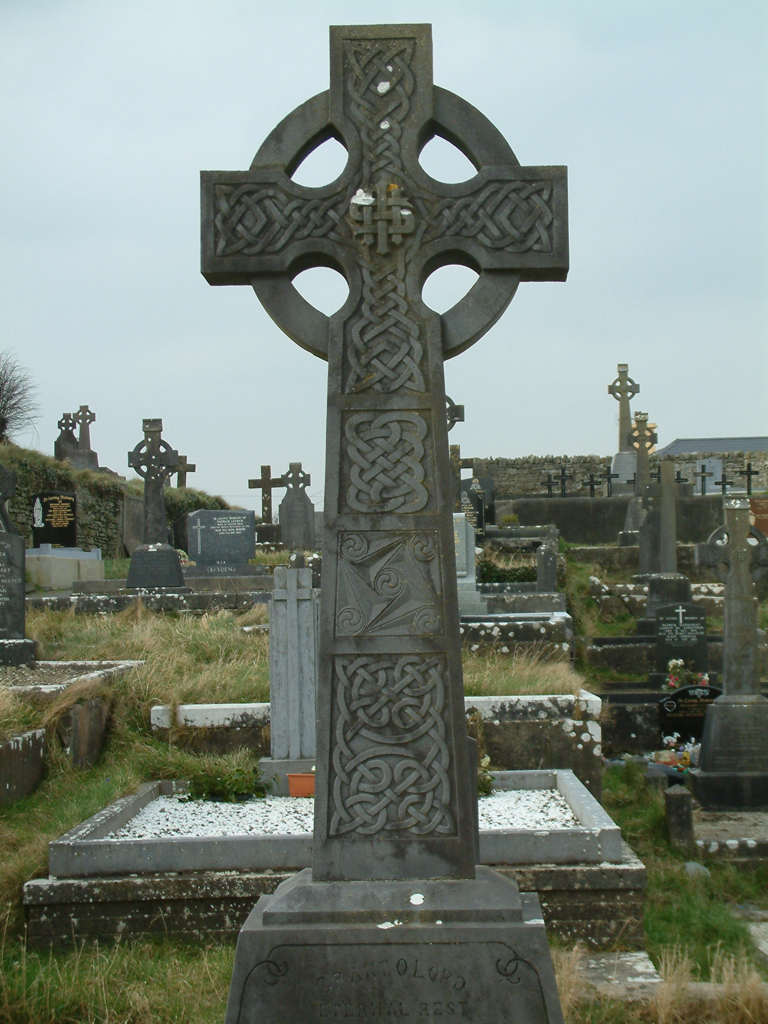
Design and characteristics
Typical features include a long vertical shaft, shorter horizontal arms, and a connecting ring or wheel at the junction. Many historic examples are carved from stone and decorated with interlace, knotwork, biblical scenes, or abstract motifs in the Insular style. The ring may be a separate structural support, a symbol of eternity or unity, or a decorative motif carried over from earlier metalwork and manuscript illumination.
Historical development
The form emerged during the early medieval period as Christianity spread through Ireland and neighboring regions. Surviving monumental crosses, often called high crosses, are typically dated between the 8th and 12th centuries and are associated with monasteries and ecclesiastical sites. They served as teaching aids, territorial markers, memorials, and focal points for devotion and public gatherings.
Uses, examples, and legacy
- Monumental high crosses at monastic sites and crossroads.
- Gravestones and funerary monuments from the medieval period onward.
- Revived decorative and emblematic use in the 19th–20th century Celtic Revival and in modern jewelry, signage, and memorials.
Notable features include intricate carving, regional variants in proportion and ornament, and continued cultural resonance. The Celtic cross is both a specific archaeological artifact type and a living symbol that has been adapted widely outside its original context.
Related articles
Author
AlegsaOnline.com Celtic cross Leandro Alegsa
URL: https://en.alegsaonline.com/art/17919