
Castorimorpha: the beavers, pocket gophers and kangaroo rats
Castorimorpha is a suborder of rodents that includes semiaquatic beavers, burrowing pocket gophers and arid-adapted kangaroo rats. Overview of classification, anatomy, evolution, ecology and human interactions.
Castorimorpha is a suborder within the order rodents that groups several families of primarily herbivorous mammals with specialised lifestyles. The assemblage ranges from large, semiaquatic beavers to stout, fossorial pocket gophers and small, saltatory (hopping) kangaroo rats adapted to dry environments.
Image gallery
6 Images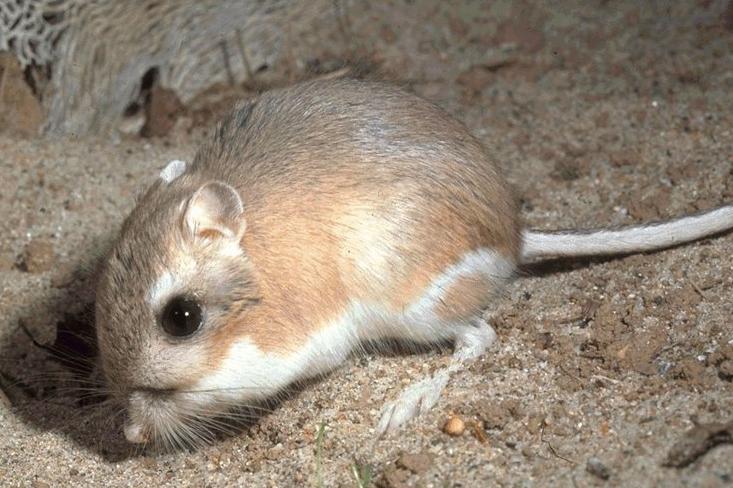


Major families
- Castoridae — the beavers, e.g. beavers, known for building dams, lodges and for a broad, flattened tail used in swimming and communication.
- Geomyidae — pocket gophers, often called pocket gophers, recognised for extensive burrows and fur-lined cheek pouches.
- Heteromyidae — kangaroo rats and pocket mice, including arid-adapted kangaroo rats that gather seeds and move by jumping.
Anatomy and behaviour
Castorimorphs share ever-growing incisors for gnawing and skull features that support powerful jaw musculature. Many species have strong forelimbs and claws for digging (gophers), while beavers possess webbed feet and a laterally flattened tail. Members of Heteromyidae commonly carry food in external cheek pouches and display adaptations for water conservation and saltatorial locomotion.
Evolution and fossil record
Fossils attributed to early castorimorphs appear in Paleogene deposits. Over tens of millions of years these lineages diversified into burrowing, terrestrial and semiaquatic niches. Taxonomic arrangements vary among authorities, but Castoridae, Geomyidae and Heteromyidae are widely treated as the core families.
Ecology and human interactions
Ecologically, beavers are ecosystem engineers that create wetlands benefiting many species; gophers influence soil turnover and nutrient cycling; kangaroo rats are important seed predators and dispersers in arid systems. Human relations are mixed: beavers have been trapped and reintroduced for conservation or management, while gophers and some heteromyids can become agricultural pests. Conservation status depends on species and region, with habitat loss and fragmentation posing threats for some populations.
Further reading
For family and species accounts consult general rodent references and regional faunas that treat Castoridae, Geomyidae and Heteromyidae in detail.
Related articles
Author
AlegsaOnline.com Castorimorpha: the beavers, pocket gophers and kangaroo rats Leandro Alegsa
URL: https://en.alegsaonline.com/art/17536