
Carat (gold purity)
Explanation of carat (karat) as a measure of gold purity, conversions to percentages and millesimal fineness, common alloys and colours, history of the term, and practical uses in jewellery and industry.
Overview
The term carat (often spelled karat in the United States) is a unit used to express the purity of gold alloys. In this usage one carat denotes one part out of twenty‑four parts that are gold. Thus a 24‑carat item is nominally pure gold, while an 18‑carat piece contains 18 parts gold and 6 parts other metals. This system describes the proportion of gold by mass rather than the weight of the finished object.
Image gallery
4 Images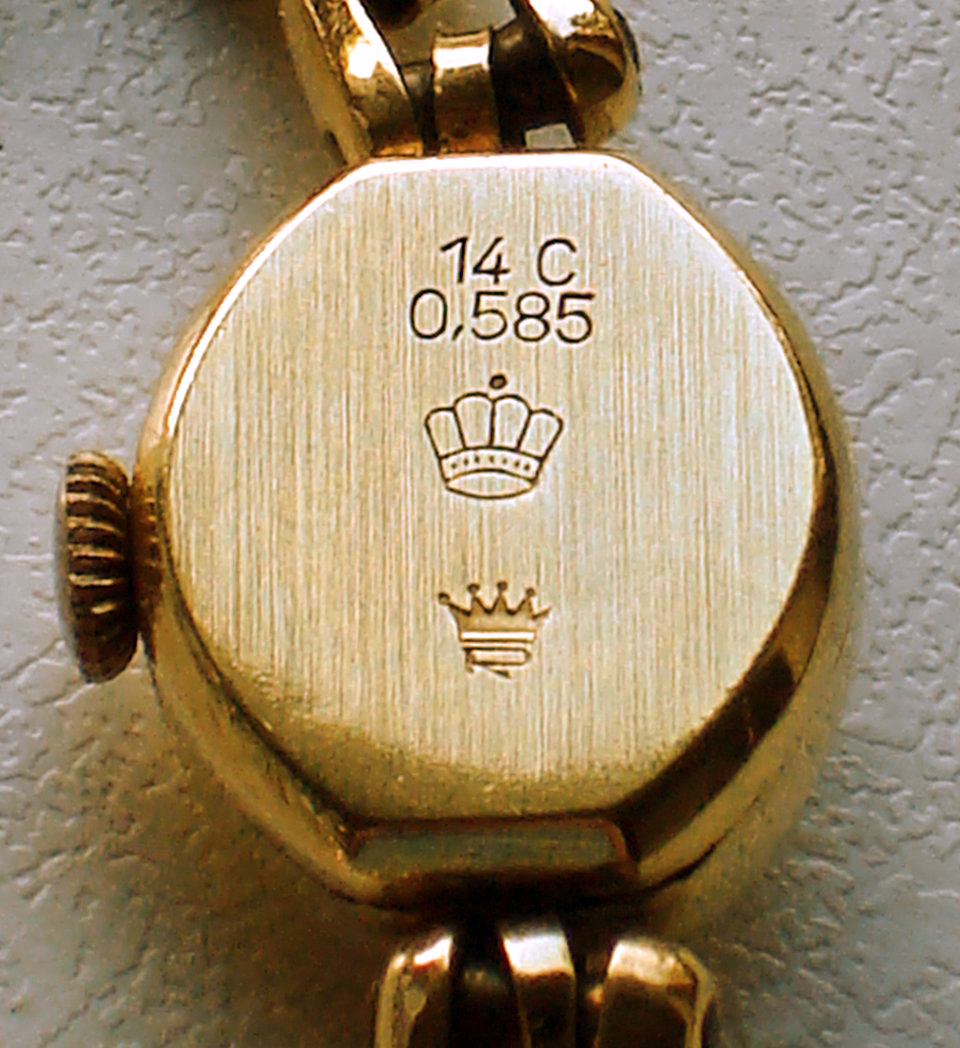


How purity is measured and converted
Purity can be given as carats (24‑scale), as a percentage, or as millesimal fineness (parts per thousand). The relationships are straightforward: percentage = (carat/24) × 100, and millesimal fineness = (carat/24) × 1000. Common equivalents include:
- 24 carat ≈ 100% gold, often marked 999 (millesimal fineness)
- 22 carat ≈ 91.7% gold (916)
- 18 carat = 75% gold (750)
- 14 carat ≈ 58.3% gold (585)
- 10 carat ≈ 41.7% gold (417)
- 9 carat = 37.5% gold (375)
For conversions and technical reference see conversion guides and metallurgical tables such as those found in technical standards or trade references (gold alloy information).
Alloys, colours and properties
Pure gold (24 carat) is soft and malleable. To improve strength and alter colour, gold is alloyed with other metals. Typical alloying elements and their effects include:
- Copper — increases hardness and produces rose or pink gold
- Silver — lightens colour and helps create yellow and green gold
- Nickel or palladium — used in white gold; nickel can cause allergic reactions in some people
Different blends produce jewellery suitable for daily wear, watch cases, dental crowns, or electronic contacts. Practical guidance for selecting an alloy can be found in jewellery and manufacturing resources (alloy selection).
History and terminology
The word "carat" has roots in ancient weight systems: it is derived from the Greek and Arabic terms for carob seed, which were historically used as small weight standards. Over time the term split in modern usage: in many English‑speaking countries "carat" refers to gemstone weight while "karat" denotes gold purity, though usage varies by region. For background reading see historical overviews and dictionaries (terminology sources).
Uses, marking and legal practice
Gold jewellery is typically stamped with a purity mark, either the carat notation (for example "18K" or "18ct") or the millesimal fineness (for example "750"). Many jurisdictions require hallmarking or disclosure of metal content to protect consumers; details are covered by national assay offices and trade bodies (hallmarking guidance). For commercial and technical use, producers may publish certificates indicating the alloy composition and properties (specification documents).
Notable distinctions and practical tips
When choosing gold items consider wear resistance, colour preference, and potential allergy concerns. Higher carat values mean a greater proportion of gold and typically a warmer yellow hue, but less mechanical strength. Lower carat gold is harder and often less expensive. Be mindful of surface treatments such as plating: gold‑plated items contain a thin layer of gold over a base metal and are not equivalent to solid gold alloys.
Related articles
Author
AlegsaOnline.com Carat (gold purity) Leandro Alegsa
URL: https://en.alegsaonline.com/art/16855