
Caravel: the small Portuguese sailing ship that opened ocean routes
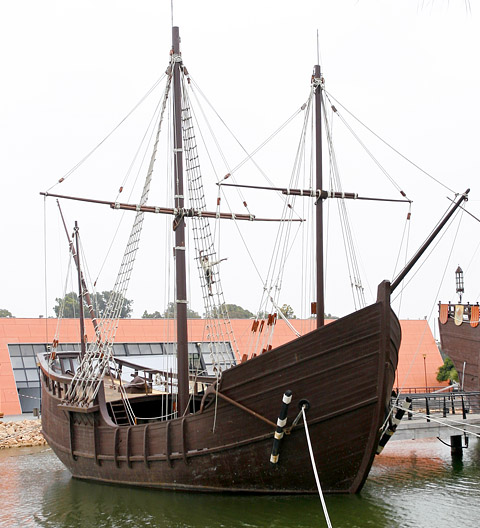
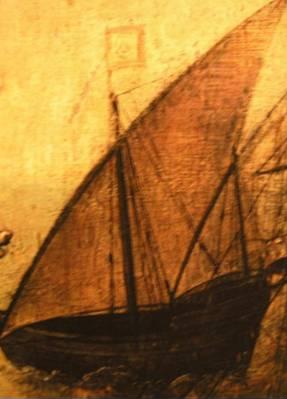
A light, highly maneuverable 15th‑century Portuguese sailing vessel. Caravels used lateen sails and shallow hulls to explore coasts and oceans during the Age of Discovery.
Overview
The caravel was a small, agile sailing vessel developed in 15th‑century Portugal. Often called in Portuguese the caravela, it belonged to the family of sailing ships optimized for speed and maneuverability. Built to operate close to shore as well as on open water, the caravel became the workhorse of early Atlantic exploration and coastal reconnaissance.
Image gallery
8 Images



Design and characteristics
Caravels typically had a relatively shallow draft and a narrow beam, which allowed them to navigate unfamiliar coasts, river mouths and shoals. They were rigged with one or more triangular lateen sails that gave crews the ability to beat upwind — that is, to sail against the wind by tacking — and to make quick course changes. Later variants combined lateen and square sails to improve performance on long ocean passages.
- Small, light hull for speed and agility
- One to three masts with lateen or mixed rigging
- Shallow draft suited for coastal exploration
- Adaptable for short cargo loads, fishing, escort or exploration
History and use
The caravel emerged in Portugal in the 1400s under the patronage of navigators and shipbuilders who sought vessels capable of exploring the West African coast and the wider Atlantic Ocean. Portuguese voyages of the 15th and 16th centuries relied on caravels for reconnaissance, charting, and establishing trade routes. Their combination of maneuverability and reasonable endurance made them ideal during the early decades of the Age of Discovery.
Famous early voyages used caravels alongside larger ships. Explorers employed caravels for scouting ahead of fleets, making landfall in unknown harbors, and returning with navigational information. The craft’s versatility also saw it adapted for coastal trade, fishing and light naval duties.
Legacy and distinctions
Compared with larger, heavier carracks or naus, the caravel was smaller and easier to handle in confined waters. Its sailing qualities derived largely from the lateen rig and hull form, which made it faster and more responsive than many contemporaries. Originating with Portuguese shipwrights and mariners (Portuguese), the caravel influenced ship design across Europe and helped set the stage for sustained transoceanic navigation.
Notable facts
- The caravel’s adaptability allowed crews to shift rigs depending on voyage type, mixing triangular and square sails for best results.
- Its role in early Atlantic exploration made it synonymous with the practical, empirical phase of maritime expansion.
- Because of its ability to sail against the wind, the caravel could explore coasts that had been difficult to approach before its adoption.
For readers seeking further technical detail or historical cases, contemporary sources and maritime museums document surviving plans and reliable reconstructions that illustrate how the caravel combined simple construction with effective seafaring performance. See related entries and resources via these links: Portuguese term, sailing ship types, Portuguese maritime history, West African exploration, Atlantic voyages, lateen sail, tacking techniques, Age of Discovery overview.
Questions and answers
Q: What is a caravel?
A: A caravel is a type of small sailing ship that was developed by the Portuguese in the 15th century.
Q: What made caravels easy to maneuver?
A: Caravels were easy to maneuver due to their small size.
Q: In which century were caravels developed?
A: Caravels were developed in the 15th century.
Q: Where did the Portuguese use caravels to explore?
A: The Portuguese used caravels to explore the West African coast and the Atlantic Ocean.
Q: How were caravels able to sail against the wind?
A: Caravels were able to sail against the wind due to their lateen sails.
Q: How were caravels used during the Age of Discovery?
A: Caravels were used by the Portuguese to explore oceans during the 15th and 16th centuries in the Age of Discovery.
Q: What made caravels fast?
A: Caravels were made fast due to their lateen sails.
Related articles
Author
AlegsaOnline.com Caravel: the small Portuguese sailing ship that opened ocean routes Leandro Alegsa
URL: https://en.alegsaonline.com/art/16860