
Caravan (travellers): organized groups, history, routes and modern forms
A caravan is a group of people and pack animals or vehicles travelling together for trade, safety, or migration. This article explains organization, history along the Silk Road, logistics, caravanserai and modern examples.
A caravan is a traveling group formed primarily to move people and goods across long distances under shared leadership and protection. The English term derives from a Persian root often cited in historical sources; see the original Persian word کاروان. Caravans have most commonly been associated with overland trade routes such as the Silk Road, desert crossings and pilgrimages, where travelling together reduced the risks posed by theft, banditry and the elements.
Image gallery
4 Images


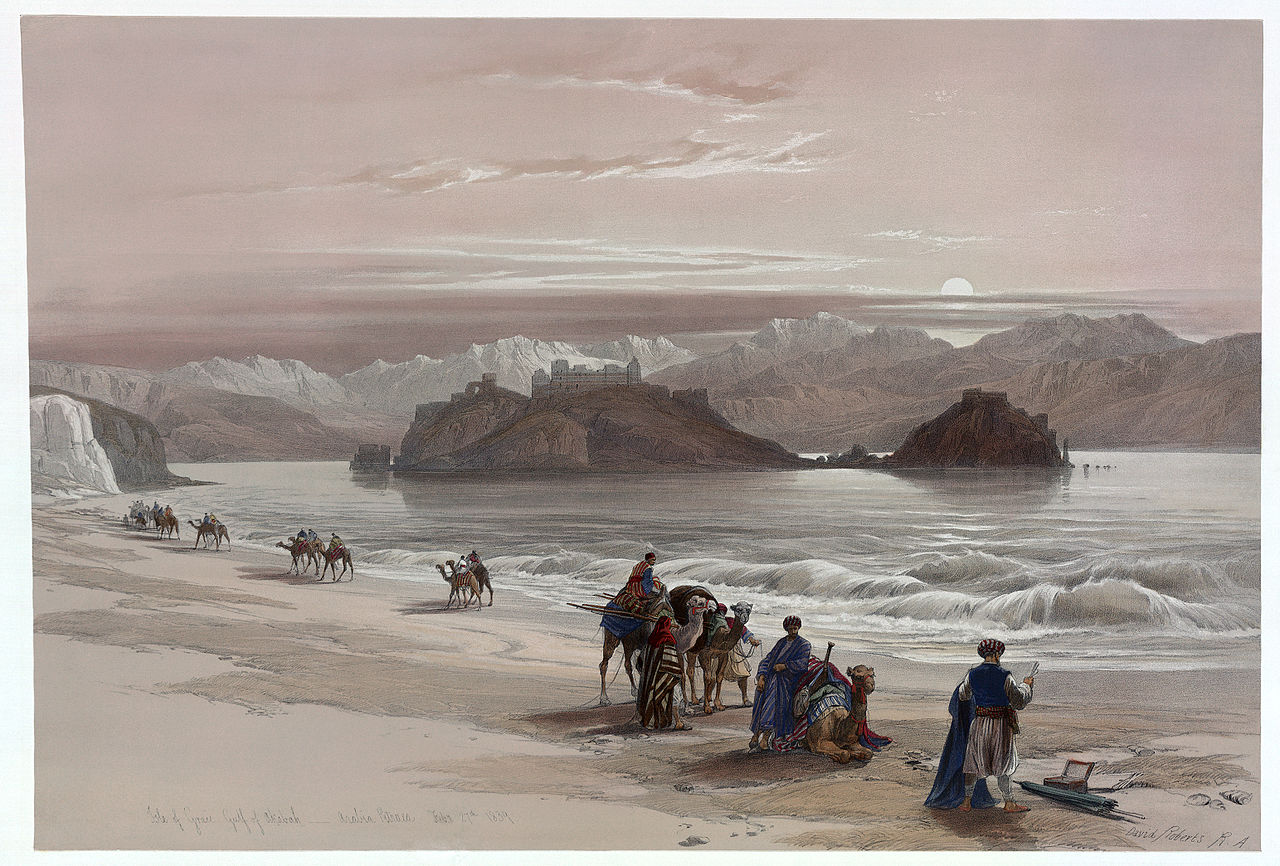
Typical structure and equipment
Caravans varied in size from a few pack animals to thousands of beasts. Their composition depended on climate, terrain and cargo: early mule and donkey-drawn carts were common in some regions, while single-humped camels became the preferred transport in much of the Middle East and North Africa because of their endurance and low water needs (camels). A caravan usually included guides, mercantile agents, animal handlers and armed escorts. The convoy-like arrangement echoed maritime practices—similar in function to naval convoys that sought to deter piracy.
Historical routes and cargo
Overland caravans traversed broad zones stretching from East Asia to Europe and across the Sahara. Important corridors included the transcontinental routes of East Asia and the interconnected routes reaching Europe. Caravans typically carried high-value, low-bulk goods: luxury textiles such as silks, spices, precious metals and jewelry traded for commodities like salt, gold and copper. Historical accounts note very large caravans—reports from the 14th century describe expeditions with thousands of animals—illustrating both the scale and economic stakes involved.
Logistics, risk and infrastructure
Organising a caravan required significant upfront investment in animals, supplies and protection. Because caravans gathered concentrated wealth, they were attractive targets; the risk of attack influenced route choice, travel speed and group size. Many states and local authorities facilitated caravan traffic by establishing way stations—caravanserai—where travelers could rest, water and feed animals and replenish provisions. Despite these measures, land caravans had transportation limits: contemporaries compared the cargo capacity of large camel trains unfavorably with that of merchant shipping, noting maritime commerce could move larger volumes more efficiently.
Role and modern forms
Beyond commerce, caravans served as vectors of cultural exchange, transmitting ideas, technologies, religious beliefs and artistic motifs between distant regions. In some areas, traditional caravan traffic persists: camel trains still operate on the southern margins of the Sahara and in parts of Central Asia. In the contemporary world the caravan concept also applies to groups of motor vehicles—columns of cars, trucks or busses moving together for safety or logistical reasons, for example during long-distance migrations, humanitarian convoys or organized tours.
Key points and distinctions
- Purpose: trade, pilgrimage, migration or military movement.
- Typical transports: pack animals (camels, donkeys) or wheeled carts; today also motor vehicles.
- Protection: travelling together reduced vulnerability to bandits; escorts and fortified inns added security.
- Economic role: enabled long-distance exchange of high-value goods and fostered cross-cultural contacts.
For further reading and primary-source descriptions, consult resources on historical trade routes and caravan infrastructure available through specialized collections and regional studies: Persian sources, overviews of the Silk Road, logistical studies referencing medieval 14th-century records, and modern field reports that document surviving camel caravans and vehicle convoys. Additional topical entries address animal transport, caravanserai architecture and comparative analyses with maritime convoys and anti-piracy measures.
Relevant linked subjects and representative sources: East Asian routes, European connections, historical goods like silks, supplies such as salt, and precious materials including gold and copper. Technical and logistical terms: donkey transport, cart use, capital and investment. Contemporary parallels: motorized convoys with trucks or busses.
Questions and answers
Q: What is a caravan?
A: A caravan is a group of people traveling together, usually on a trade expedition.
Q: Where were caravans used historically?
A: Caravans were used mainly in desert areas and throughout the Silk Road, as well as across East Asia and Europe.
Q: What type of goods did caravans transport?
A: Caravans often carried luxurious and lucrative goods such as silks or jewelry, which they would trade for salt, gold, copper or slaves.
Q: How were caravans transported?
A: At first donkey carts were used to transport caravans but they eventually replaced with single hump camels due to their ability to travel long distances on little water.
Q: What was the maximum size of a caravan?
A: The largest recorded caravan had up to 12,000 camels.
Q: How much cargo could a caravan carry compared to other methods of transportation?
A: A caravan of 500 camels could only transport as much as a third or half of the goods carried by a regular Byzantine merchant sailing ship.
Q: Are there still modern-day caravans in use today?
A: Yes, present-day caravans still transport important goods in less-developed areas of the world such as camel trains traversing the southern edges of the Sahara Desert and are often made up cars, trucks and busses.
Related articles
Author
AlegsaOnline.com Caravan (travellers): organized groups, history, routes and modern forms Leandro Alegsa
URL: https://en.alegsaonline.com/art/16858
Sources
- commons.wikimedia.org : Caravan (travellers)