
Canadian dollar (CAD)
Official currency of Canada, introduced with decimalization in 1858; issued by the Bank of Canada and used domestically and in parts of Saint Pierre and Miquelon.
Overview
The Canadian dollar is the official national currency of Canada. It is commonly abbreviated as CAD and often written as C$ to distinguish it from other dollar-denominated currencies. The Canadian dollar has been used since the mid-19th century, when the Province of Canada adopted a decimal currency system in 1858. It functions as the unit of account, medium of exchange and store of value across the country and is issued and regulated by the nation’s central bank and mint.
Image gallery
10 Images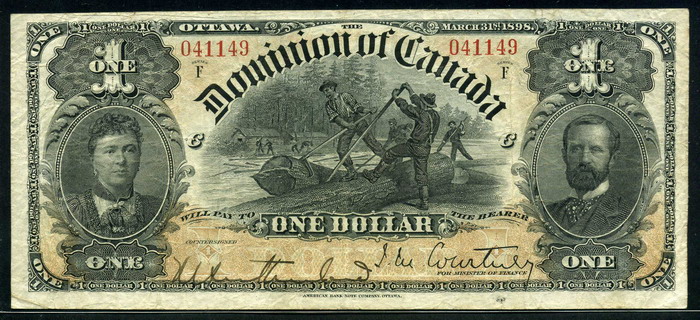






Characteristics and denominations
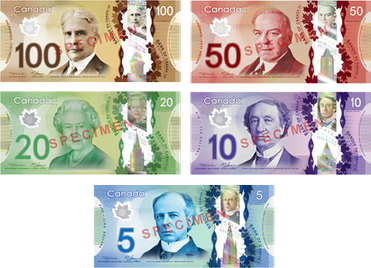
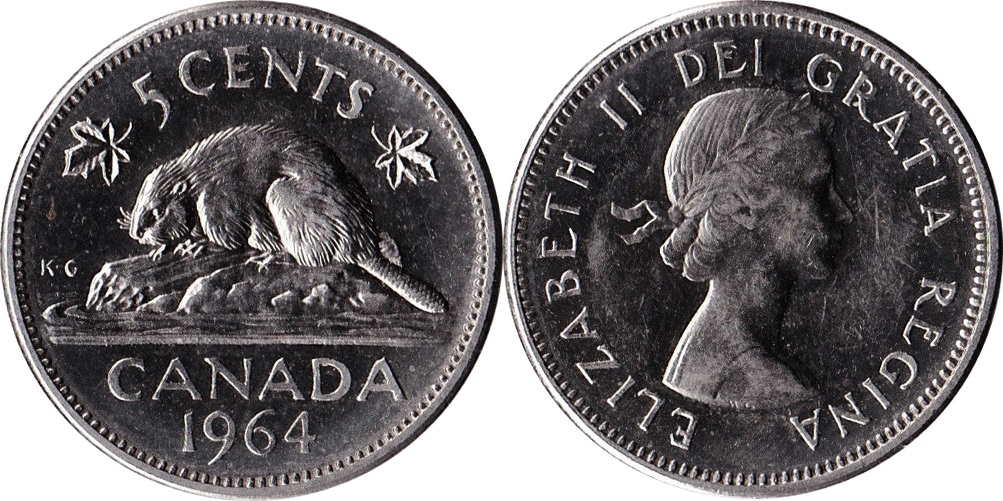
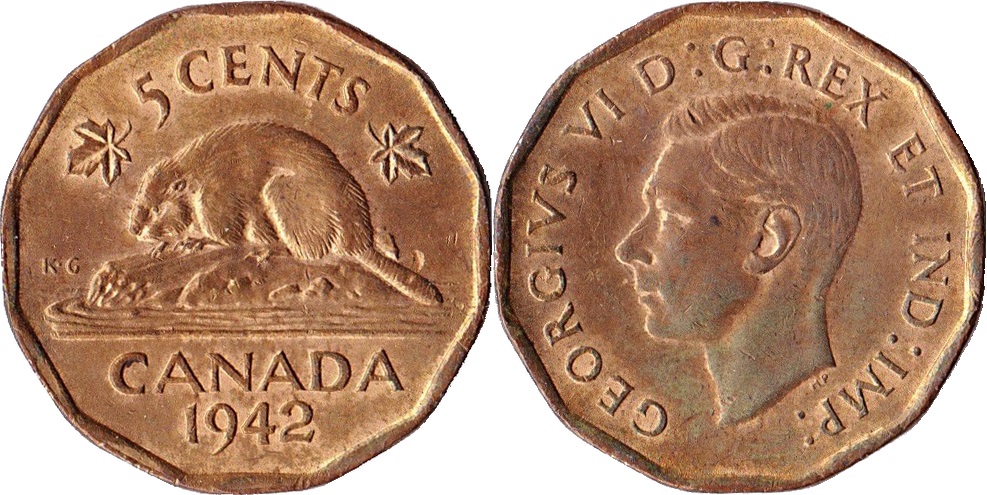
Coins and banknotes feature distinct designs, bilingual text in English and French, and modern security elements. Coins in common circulation include the nickel, dime, quarter and the $1 and $2 coins (commonly nicknamed the loonie and the toonie). The one-cent coin (penny) was withdrawn from circulation in recent years. Banknotes are issued in several denominations and have moved to polymer substrates to improve durability and security.
History and institutions
The currency’s modern framework developed over many decades. The Bank of Canada, created in the 1930s, is responsible for issuing banknotes and implementing monetary policy. The Royal Canadian Mint produces circulating and commemorative coins. Over the 20th century the Canadian dollar evolved from fixed arrangements with other currencies to a floating exchange rate, and it is now traded on international foreign exchange markets.
Usage and international reach
Beyond mainland Canada, the Canadian dollar is accepted or used alongside other currencies in nearby territories. For example, it circulates in Saint Pierre and Miquelon alongside the euro; see local arrangements for details via Saint Pierre and Miquelon and the euro. For basic information about the currency as a national unit see national currency or the country overview at Canada.
Importance and notable facts
- The Canadian dollar is sensitive to commodity markets because Canada is a major exporter of natural resources; movements in oil, metals and agricultural prices can influence its exchange rate.
- Banknotes incorporate sophisticated security features and are produced with durability and anti-counterfeiting in mind.
- Because several currencies are called “dollar,” the prefix C$ or the ISO code CAD is used in international finance to avoid confusion.
Overall, the Canadian dollar is a modern, widely used national currency with a clear institutional framework, recognizable coin and banknote designs, and an international presence in nearby territories and foreign exchange markets.
Related articles
Author
AlegsaOnline.com Canadian dollar (CAD) Leandro Alegsa
URL: https://en.alegsaonline.com/art/16454