
Saint Pierre and Miquelon
A small French overseas collectivity off the coast of Newfoundland, preserving French language, legal ties to France, and a fishing-oriented culture as the last remnant of historic New France.
Overview
Saint Pierre and Miquelon is a small group of islands administered by France. Its French name is shown in many official sources as Saint-Pierre-et-Miquelon. The territory is an overseas collectivity of the French Republic and retains strong institutional, legal and cultural links with mainland France while lying on the edge of North America.
Image gallery
10 Images




Geography and environment
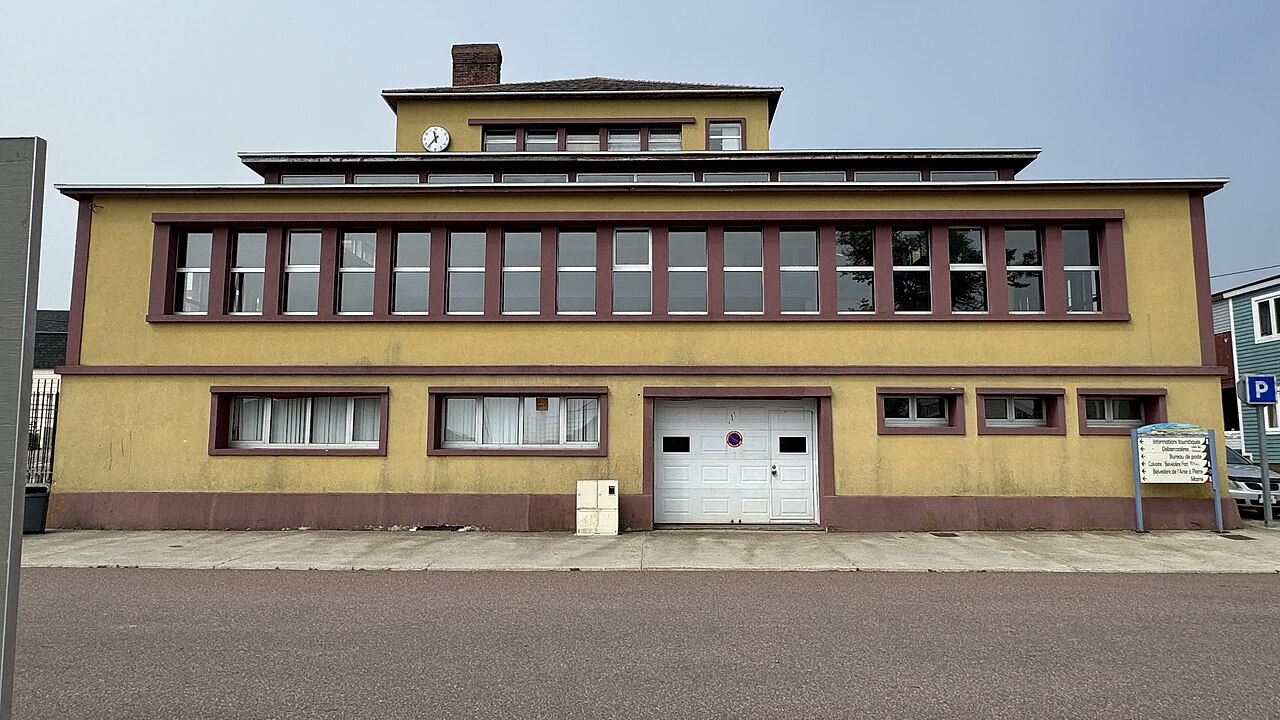
The archipelago consists of several rocky islands clustered close together. The main landmasses are Saint-Pierre and the larger Miquelon-Langlade complex; smaller islets surround these cores. This island group sits in the northwestern Atlantic Ocean just south of the island of Newfoundland and off the eastern shore of Canada. The climate is maritime, with cool summers, cold winters, frequent fog and strong winds; the landscape is shaped by coastal plateaus and low cliffs, with limited forest cover.
History
European fishermen from Basque, Breton and Norman regions visited and settled the islands in the early modern period. The archipelago served as a seasonal and later permanent base for French fishing operations and remained one of France's footholds in North America after the collapse of the colonial empire in the region. It is often described as the last vestige of the territory known historically as New France and is linked in memory to the wider history of the French colonial empire. Sovereignty and administration were adjusted by treaties and negotiations over centuries, but local French governance persisted.
Government, economy and services
As an overseas collectivity, Saint Pierre and Miquelon is governed under French law with its own local assembly and representation in national French institutions. The economy has traditionally centered on fisheries and fish processing; in recent decades it has diversified modestly into tourism, small-scale commerce and public administration. Services such as healthcare, education and postal systems operate under French standards and the euro is used as the currency.
Culture and population
The population is small and predominantly French-speaking. Local culture blends metropolitan French influences with those of Atlantic Canada: maritime cuisine, seasonal festivals, and traditions tied to fishing and seafaring are important. Visitors will notice French signage, cuisine centered on seafood and a cultural identity that emphasizes French heritage in a North American setting.
Transport, tourism and notable facts
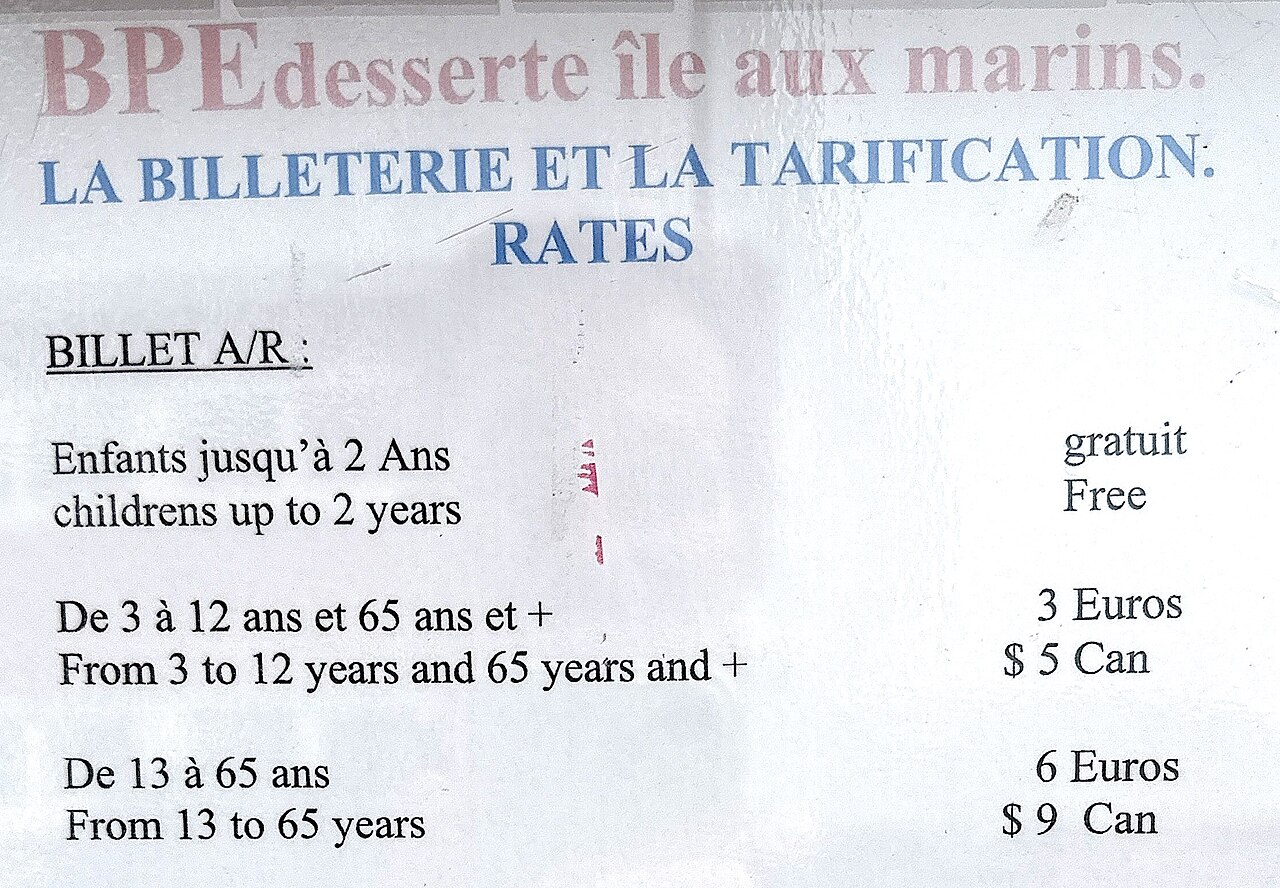
Access is by ferry and by air; services link the islands with nearby Canadian ports and periodic flights connect to regional airports. Tourism is seasonal and oriented to visitors seeking rugged coastal scenery, bird life and cultural encounters with a uniquely French territory in the Atlantic. Notable facts include:
- Its proximity to Newfoundland makes it geographically close to Canada yet politically part of France.
- It represents the most visible surviving link to the French presence in eastern North America.
- Despite its small size, it maintains institutions and public services similar to those in mainland France.
For readers seeking more detailed administrative, historical or travel information, official French and regional resources can provide current data on governance, transportation schedules and visitor facilities.
French name — status — island group — Newfoundland — Canada — French colonial empire — New France
Related articles
Author
AlegsaOnline.com Saint Pierre and Miquelon Leandro Alegsa
URL: https://en.alegsaonline.com/art/86072