
Camu camu (Myrciaria dubia): Amazonian fruit rich in vitamin C
Camu camu (Myrciaria dubia) is a small Amazonian shrub whose tart red fruits are notable for exceptionally high vitamin C and are used fresh, juiced, dried or as supplements.
Overview
Camu camu (Myrciaria dubia), sometimes written camucamu or called cacari and camocamo, is a shrub or small tree native to seasonally flooded areas of the Amazon basin. It produces small, cherry-like fruits that are unusually high in vitamin C and have gained attention for nutritional and commercial uses beyond their traditional role in local diets.
Image gallery
3 Images

Characteristics
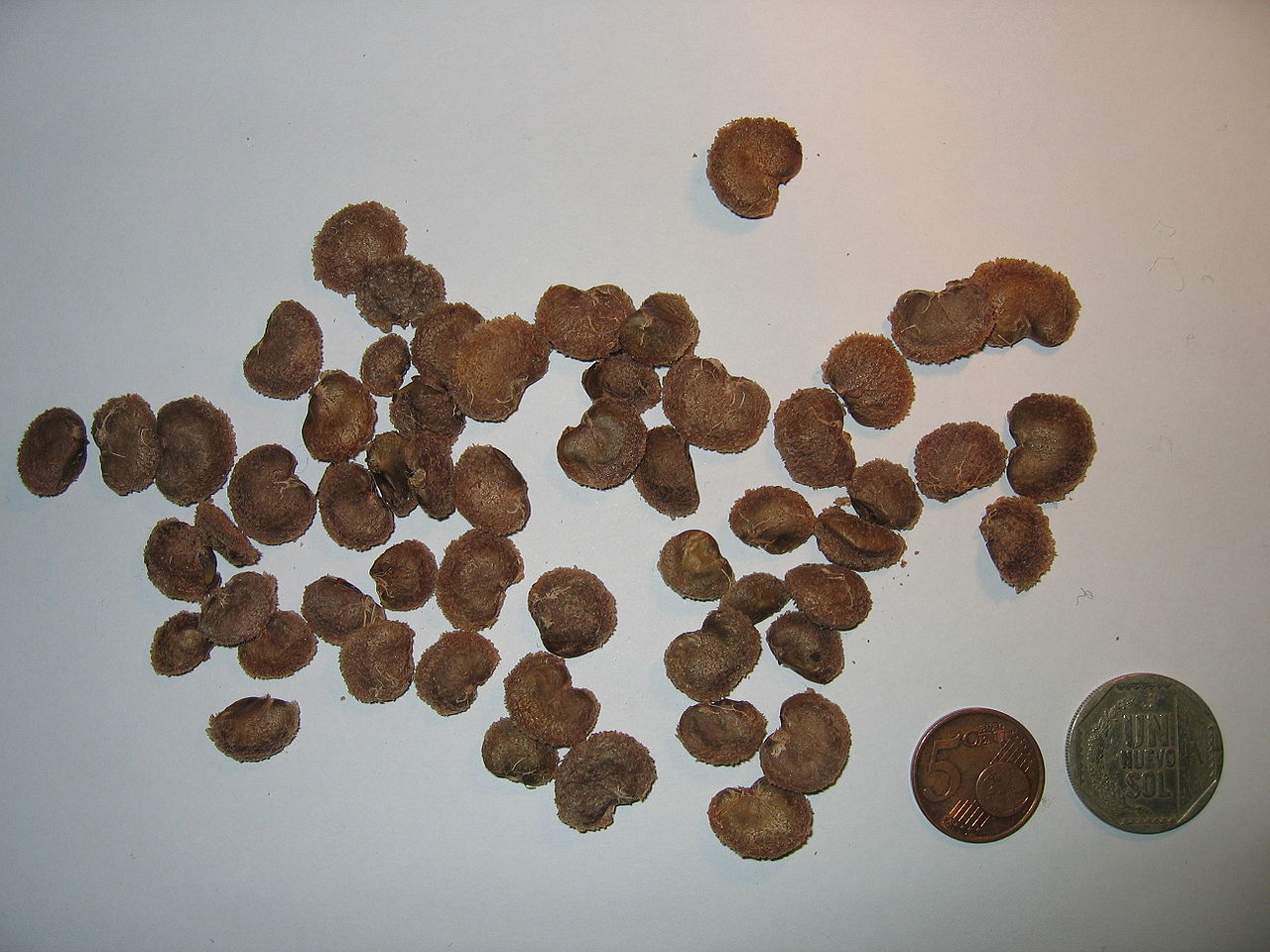
The plant grows in lowland riverine forests and floodplains. Individual plants are compact and can form thickets. Fruits are round, typically red to purple when ripe, and contain a single seed. Key features include:
- Adaptation to flooded soils and periodic inundation.
- Tropical, evergreen foliage with simple leaves.
- Small berry-like fruits with a tart, acidic flavor.
History and cultivation
Indigenous peoples of the Amazon have harvested camu camu for generations, using the fruit fresh or as part of traditional preparations. In recent decades, increased global interest in natural antioxidants and vitamin-rich foods has led to expanded small-scale cultivation and wild collection. Plants are propagated from seed or cuttings and are often grown near rivers where waterlogged conditions are tolerable.
Uses and nutritional importance
Camu camu is valued principally for its high vitamin C content and for polyphenols that function as antioxidants. The fruit is consumed fresh in local communities but is more commonly processed for wider markets: juice, pulp concentrates, dried powders, and dietary supplements. Its sharp, sour taste usually requires sweetening or blending in culinary use.
Conservation, economics and notable facts
Wild populations face pressures from habitat change and overharvesting in some areas, but cultivation offers a route to sustainable supply and income for riverine communities. Camu camu is botanically distinct from other Amazonian fruit trees and is often highlighted in discussions about functional foods and Amazonian agroforestry. For additional botanical or cultivation details, see further reading.
Related articles
Author
AlegsaOnline.com Camu camu (Myrciaria dubia): Amazonian fruit rich in vitamin C Leandro Alegsa
URL: https://en.alegsaonline.com/art/16416