
Capsicum (peppers): overview, uses, history and varieties
Capsicum is a genus of flowering plants in the nightshade family whose fruits—peppers or chilis—are used worldwide as vegetables, spices, medicines, and ornamentals.
Capsicum is a botanical genus of plants in the nightshade family widely cultivated for their edible and pungent fruit. Common English names include chili, chilli, pepper and, in many regions, simply pepper. Different varieties range from mild, sweet types often sold as bell peppers to intensely hot chiles used as spices.
Image gallery
10 Images
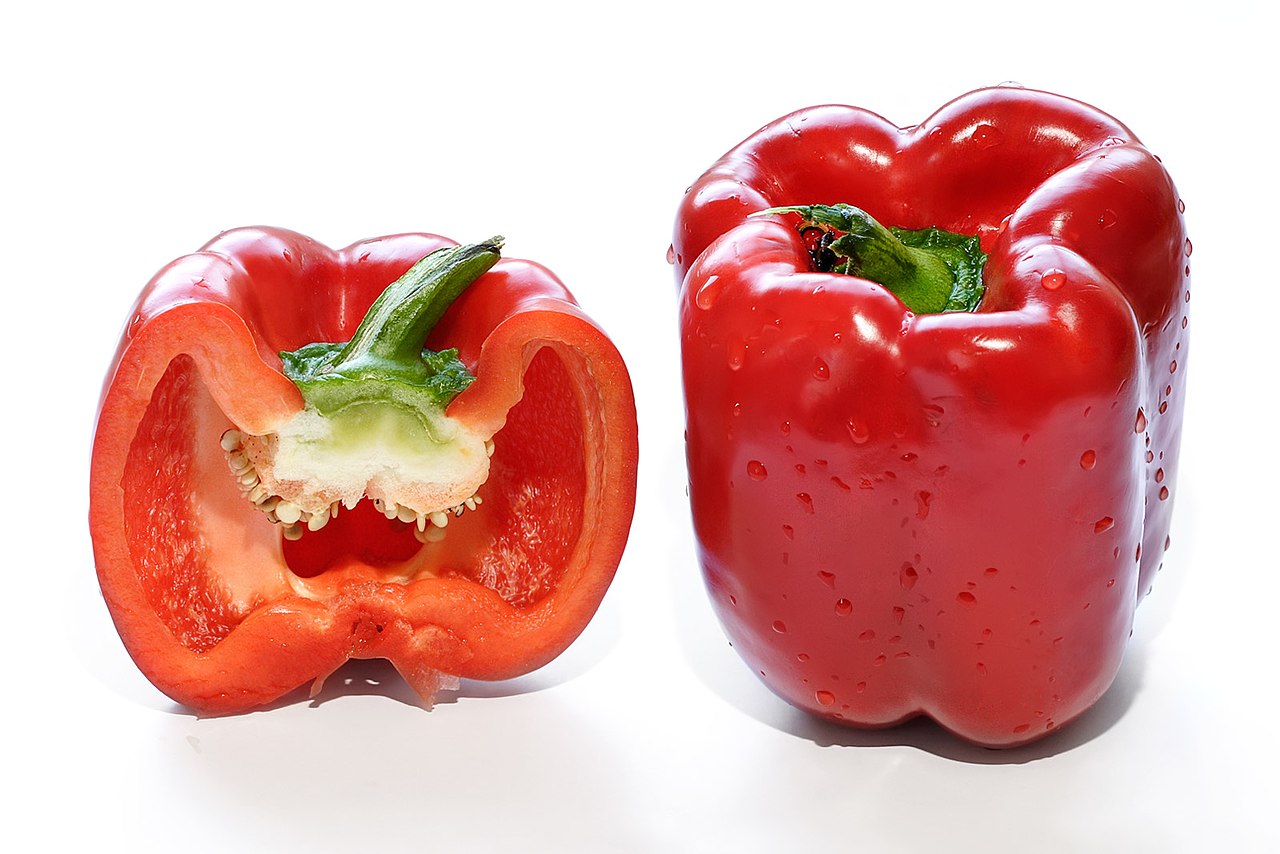


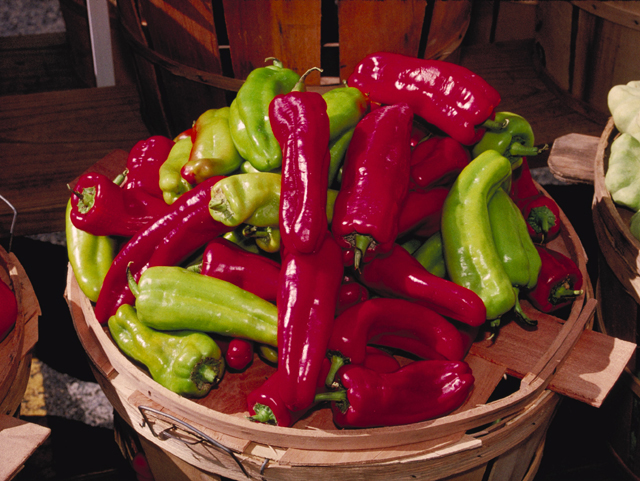


Characteristics and biology
Capsicum species are generally perennial in origin but grown as annuals in many climates. Fruits vary in size, shape, color and heat level. The sensation of heat comes from capsaicinoid compounds—especially capsaicin—which stimulate sensory receptors. Pungency is commonly measured on the Scoville scale. Cultivated forms include sweet, cooking and dried-spice types; seeds and internal membranes contain much of the heat.
Major uses
Capsicum fruits serve multiple roles:
- Culinary: as spices, fresh vegetables (vegetables), dried powders and fermented condiments.
- Medicinal and commercial: capsaicin is used in topical drugs and analgesics, and extracts are used as natural pest deterrents.
- Ornamental and cultural: brightly colored varieties are grown for decoration and regional cuisines.
History and distribution
Capsicum originated in the Americas and was domesticated by indigenous peoples long before European contact. After transoceanic exchanges, capsicums spread rapidly across Africa, Asia and Europe and were absorbed into a vast range of culinary traditions. Regional naming varies: in Britain the large sweet form is called a bell pepper while in New Zealand and Australian English it is often called capsicum or capsicum, and the powdered spice may be called paprika.
Varieties and notable distinctions
Several species and numerous cultivars are commonly cultivated, from mild blocky fruits to thin, fiery types used for hot sauces. In many English-speaking countries names differ: the term Chili pepper is widely used, while in other contexts simply "pepper" or regional terms apply (see Britain and US usage). Capsicum remains important agriculturally and culturally, prized for its flavor, heat and nutritional value.
For botanical classifications, culinary guides and medical uses consult general plant references and regional food sources via links and databases: genus, plants, spices, vegetables, drugs, fruit, Chili pepper, Britain, US, New Zealand, Australian, paprika.
Questions and answers
Q: What is Capsicum?
A: Capsicum is a genus of plants from the nightshade family that includes plants used as spices, vegetables, or drugs.
Q: What are some common names for the fruit of Capsicum plants?
A: The fruit of Capsicum plants are often called Chili pepper, red or green pepper, or just pepper in Britain and the US. The large mild form is called bell pepper in British English and the US, capsicum in New Zealand English, Australian English and paprika in some other countries.
Q: Where did Capsicums originally come from?
A: Capsicums originated in the Americas.
Q: What family does Capsicum belong to?
A: Capsicum belongs to the nightshade family (Solanaceae).
Q: How are Capsicum plants used?
A: Capsicum plants are used as spices, vegetables or drugs.
Q: Where are Capsicum plants grown?
A: Capsicum plants are now grown worldwide.
Q: What is paprika?
A: Paprika is a spice made from various capsicum fruit.
Related articles
Author
AlegsaOnline.com Capsicum (peppers): overview, uses, history and varieties Leandro Alegsa
URL: https://en.alegsaonline.com/art/16795