
Calendula officinalis (pot marigold) — description, history, uses, and cultivation
Calendula officinalis, commonly called pot marigold, is a widely cultivated flowering plant used ornamentally, medicinally, and culinarily; known for bright orange-yellow daisy‑like blooms and topical extracts.
Overview
Calendula officinalis, commonly called pot marigold, garden marigold or ruddles, is a flowering plant grown worldwide for its conspicuous orange to yellow flower heads. It belongs to the genus Calendula and the daisy family, Asteraceae. Its precise native range is debated: some sources point to the Mediterranean region or western Asia, while other traditions associate it with the Indian subcontinent; in any case it has long been widely cultivated and naturalized in many temperate regions. It was historically designated as the state flower of Junagadh and Bantva-Manavadar State, now part of Gujarat (see historical note).
Image gallery
6 Images


Description and lifecycle
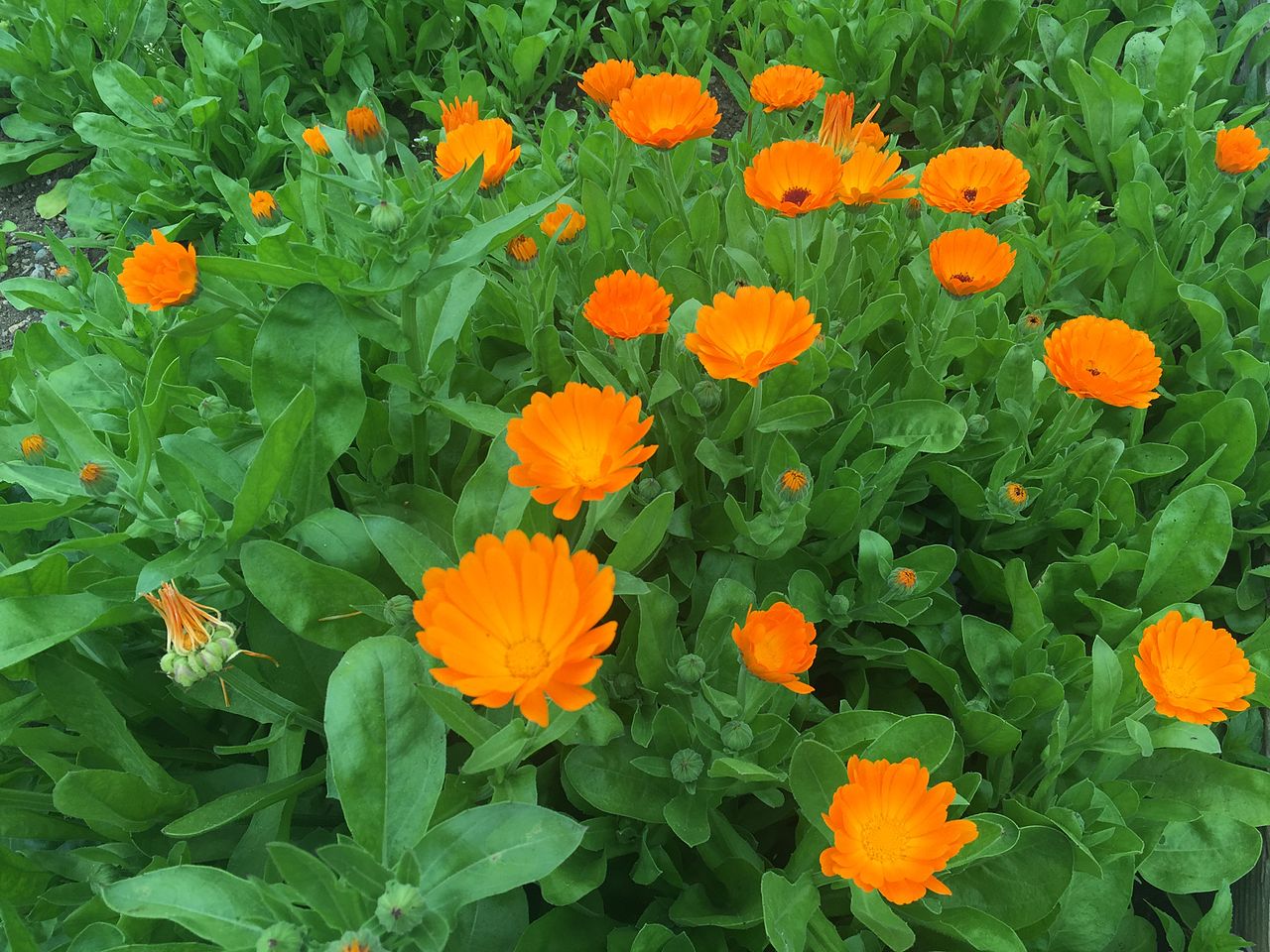
Calendula officinalis is usually grown as an annual or short-lived perennial. Plants produce erect stems with simple, oblong leaves that are slightly hairy. The flowers are capitula — composite heads that resemble single daisies — with central disk florets and prominent ray florets in shades from pale yellow to deep orange. Seed production is by achenes; many garden strains readily self-seed and bloom from spring through autumn in suitable climates.
History and cultural significance
Garden records show calendula in European gardens since medieval times, where it was valued for both decorative and practical uses. It has a long presence in traditional medicine systems and in folk rituals across Europe and parts of Asia. References to calendula's uses appear in herbals and household manuals; modern botanical literature places it in the broader genus Calendula and within family Asteraceae, reflecting its taxonomic relationships. Some botanical sources note an association with the Indian subcontinent (regional accounts), though the plant’s history of movement with cultivation complicates exact origin claims.
Uses and examples
- Traditional and topical medicine: extracts and ointments are used for minor skin irritations, wound care, and inflammation in many herbal traditions; modern products often include calendula preparations as soothing ingredients.
- Culinary use: the petals are edible and are used as a garnish, colorant in salads and rice dishes, or an economical saffron substitute in some cuisines.
- Cosmetics and dyes: pigments from the flowers appear in skincare formulations and natural dyes.
- Ornamental: widely grown in borders, containers, and cottage-garden settings for continuous bloom and bright color.
Cultivation and practical notes
Calendula prefers full sun to partial shade and well-drained soil. It is generally easy to grow from seed, tolerates a range of soils, and benefits from regular deadheading to extend flowering. Typical garden management includes sowing after frost risk has passed, moderate watering, and occasional removal of spent blooms to reduce self-seeding when desired. It is often recommended in mixed plantings for its visual appeal and utility.
Safety, distinctions, and notable facts
Though widely regarded as safe for topical and culinary use, people with allergies to members of the Asteraceae family may experience sensitivities. Calendula is distinct from plants commonly called marigolds in the genus Tagetes; despite similar common names, these genera are botanically separate. The plant’s chemical profile includes carotenoids and flavonoids responsible for color and some biological activity, and modern interest in calendula focuses on gentle topical applications rather than as a replacement for proven medical treatments. Additional botanical and historical information can be found in specialist sources and floras (botanical references).
For regional or historical details, including its symbolic use in places such as Junagadh, consult dedicated historical and horticultural records (regional history).
Questions and answers
Q: What is Calendula officinalis?
A: Calendula officinalis is a plant in the genus Calendula of the family Asteraceae.
Q: What are some other names for Calendula officinalis?
A: Calendula officinalis is also known as pot marigold, ruddles, common marigold, and garden marigold.
Q: Where is Calendula officinalis probably native to?
A: Calendula officinalis is probably native to India.
Q: Was Calendula officinalis ever the state flower of Junagadh and Bantva-Manavadar State?
A: Yes, Calendula officinalis was the state flower of Junagadh and Bantva-Manavadar State, which is now part of Gujarat.
Q: What is the family of plants that Calendula officinalis belongs to?
A: Calendula officinalis belongs to the family Asteraceae.
Q: What is the significance of Calendula officinalis being the state flower of Junagadh and Bantva-Manavadar State?
A: Being the state flower of Junagadh and Bantva-Manavadar State was a recognition of the importance and beauty of Calendula officinalis to the people and culture of those regions.
Q: Is Calendula officinalis a common plant in gardens?
A: Yes, Calendula officinalis is a commonly cultivated plant in gardens around the world.
Related articles
Author
AlegsaOnline.com Calendula officinalis (pot marigold) — description, history, uses, and cultivation Leandro Alegsa
URL: https://en.alegsaonline.com/art/16078