
Cable-stayed bridge: design, components, history and uses
A cable-stayed bridge carries its deck on cables running directly to towers (pylons). This article explains types, components, history, advantages, examples and how it differs from suspension and cantilever bridges.
A cable-stayed bridge is a type of bridge in which the deck is supported by a series of tensioned cables that run directly to one or more towers (pylons). The cables take most of the vertical load and transfer it to the towers, which then pass forces down to the foundations. Cable-stayed structures combine elements of beam, suspension and truss engineering and are widely used where an efficient, economical span is needed between the ranges normally handled by cantilever and suspension types.

Image gallery
10 Images





Characteristics and main components
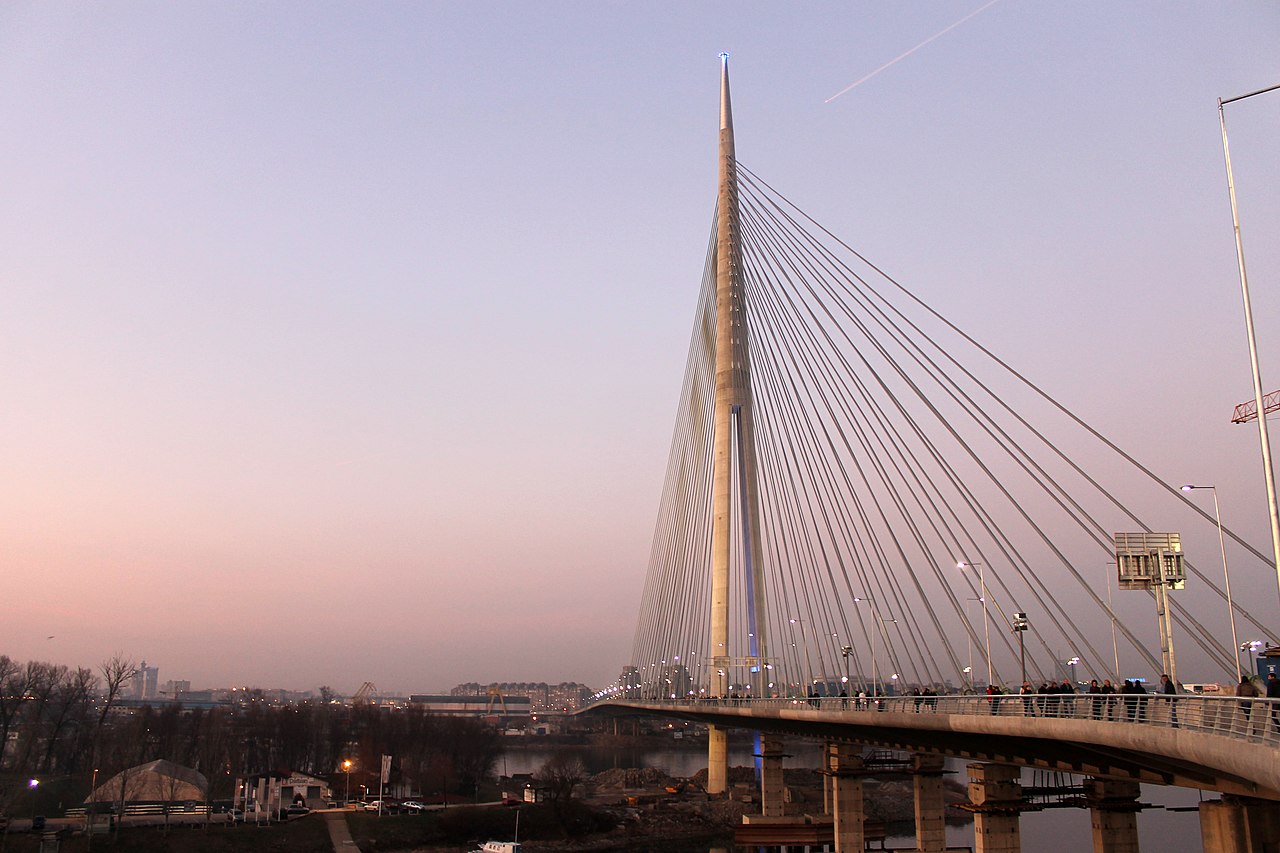
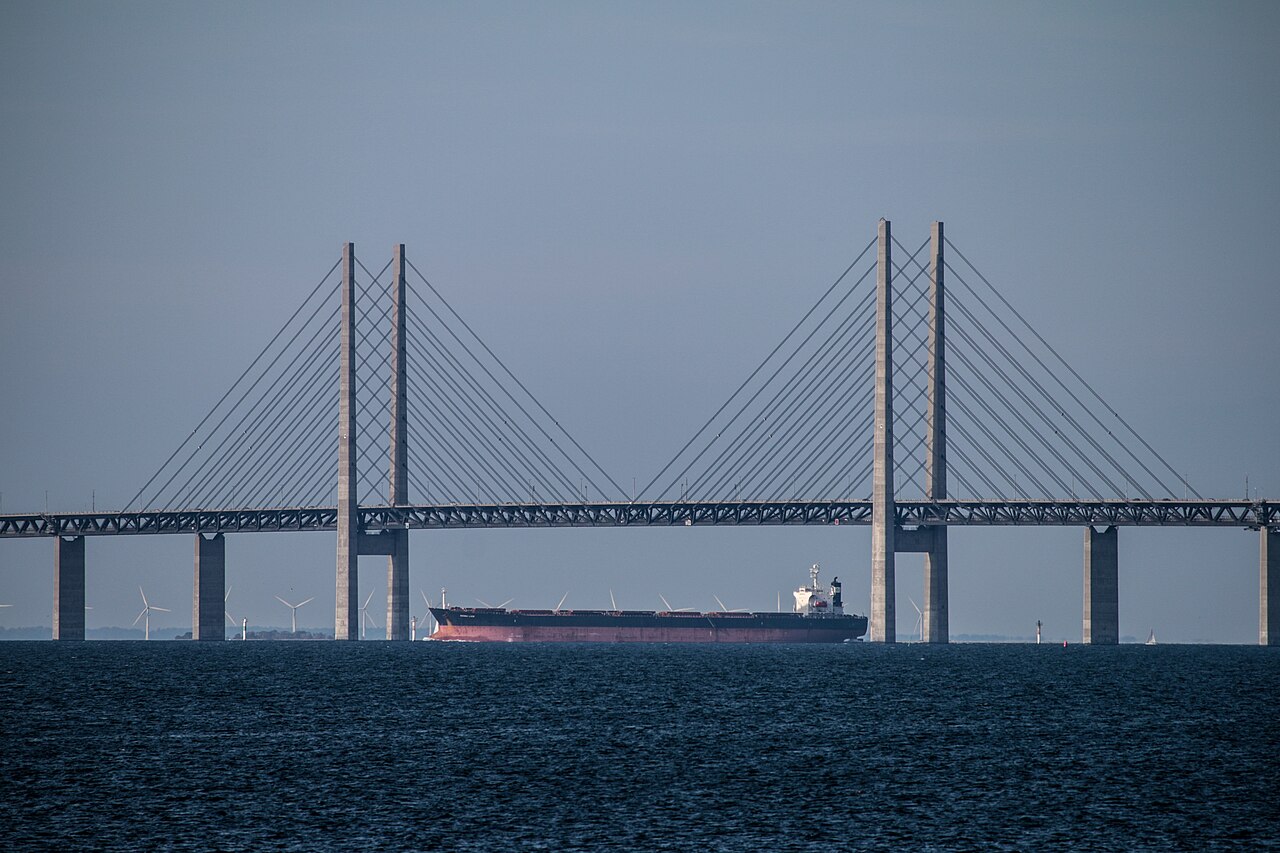
Key elements of a cable-stayed bridge include the towers or pylons, the deck, the stay cables, and the anchorages or foundations. Towers (also called pylons) may be concrete or steel and can be single-column or multi-legged. The stay cables are usually steel strands or parallel wire ropes; they are attached at intervals along the deck and either fan out from the top of the tower or align more nearly parallel to one another. Two canonical arrangements are the fan and the harp: in the fan configuration, many stays connect near the tower top and spread to deck points, while in the harp configuration the cable attachment points on the tower are spaced to create nearly parallel stays, giving a distinct visual rhythm. The harp pattern is sometimes referenced with specific engineering details that affect stiffness and load distribution (harp design).
Advantages, limitations and typical arrangements
- Advantages: Material efficiency for medium-long spans, relative ease of construction, reduced need for large anchor blocks, and often lower costs for spans that are too long for cantilever systems but shorter than those that require full suspension solutions.
- Limitations: For very long spans a true suspension bridge is often more economical; very short spans do not benefit from the complexity of stays and towers. Compared with a cantilever bridge, cable-stayed designs generally use less dead weight for comparable spans.
- Construction methods: Deck segments may be cantilevered outward from the towers and supported progressively by stays, or the deck can be launched and connected to stays in sequence.

History and development
The concept of supporting a deck with inclined stays is old, but the modern cable-stayed bridge emerged in the 19th and 20th centuries as metallurgy, wire-rope technology and concrete technology advanced. Early experimental forms evolved into practical designs in the mid-20th century when civil engineers combined improved materials with new construction sequences. Since then, variations in pylon geometry, cable anchorage and deck cross-sections have produced many regional styles and signature spans around the world. Engineers continue to refine aerodynamic models and fatigue-resistant details to extend life and reduce maintenance.
Uses, notable examples and distinctions
Cable-stayed bridges are common for river crossings, urban viaducts and highway interchanges where a clear channel and relatively long unobstructed spans are needed. They are often chosen for aesthetic impact as well as engineering efficiency. Notable features that distinguish cable-stayed bridges include the direct load path from deck to tower, a relatively stiff deck compared with suspension bridges, and a wide range of possible visual arrangements from single-pylon crossings to multiple towers in a long sequence. For further technical comparisons and case studies see engineering resources linked here: general bridge types, tower design, cable systems, cable patterns, cantilever comparison and suspension comparison.

Designers must balance span length, construction cost, site constraints and long-term maintenance to choose a cable-stayed solution. When well executed, these bridges combine structural economy with striking forms that often become local landmarks.
Related articles
Author
AlegsaOnline.com Cable-stayed bridge: design, components, history and uses Leandro Alegsa
URL: https://en.alegsaonline.com/art/15858