
Interstate 15 in California: route, role, and related routes
Interstate 15 in California is a major north–south freeway linking San Diego County with the Inland Empire and the Mojave Desert, forming a principal corridor for commuters, freight, and travel to Nevada.
Interstate 15 (I-15) in California is the southern segment of a long north–south Interstate that serves as a primary corridor from the San Diego region through the Inland Empire into the Mojave Desert and onward to Nevada. Within the state it functions as both a commuter freeway and a long-distance route used by freight and recreational travelers heading toward Las Vegas and points north.
Image gallery
10 Images


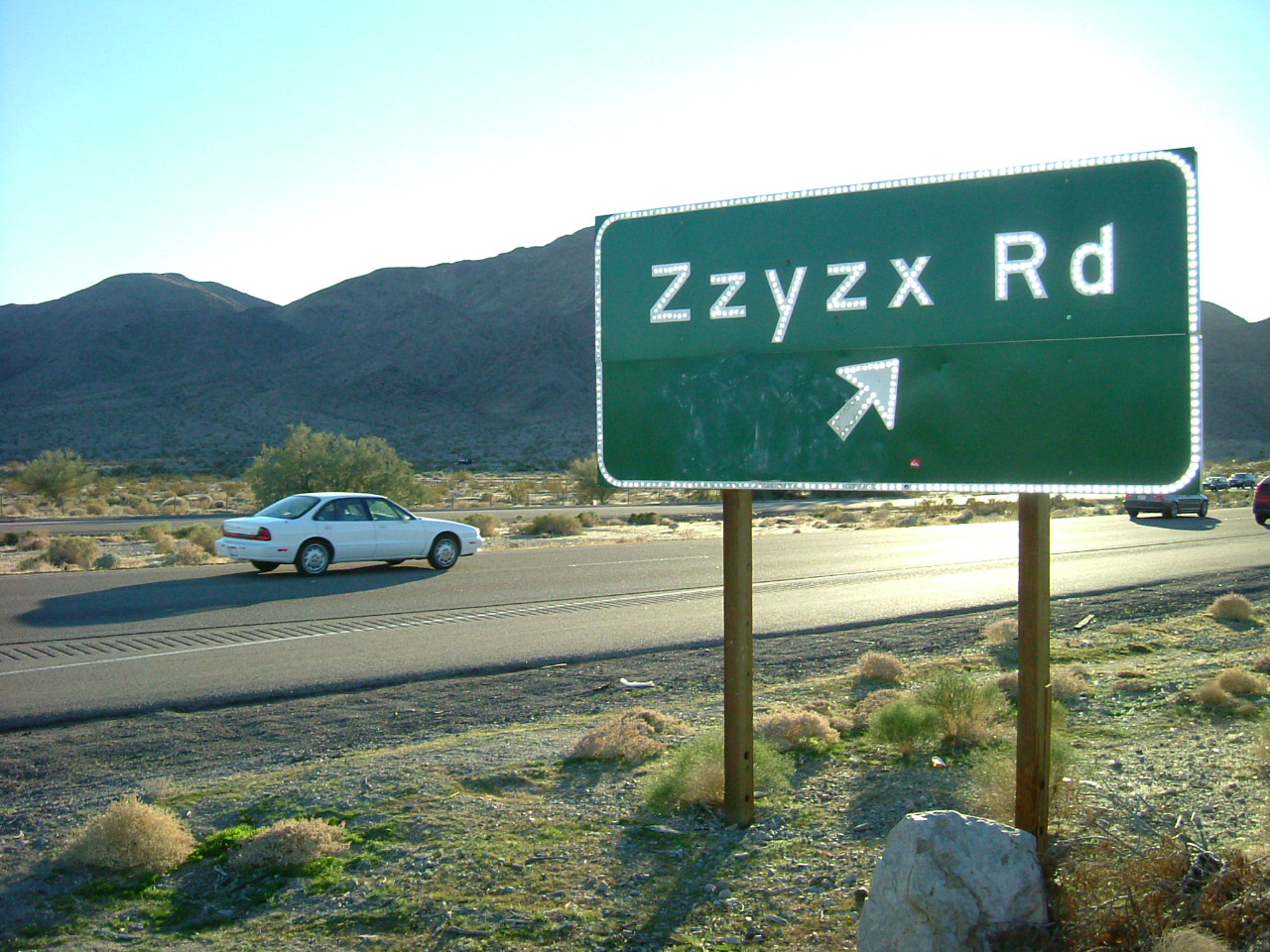


Route and major connections
Beginning in the San Diego area, I-15 links with coastal freeways and local roads before progressing north through suburban and inland counties. It connects with Interstate 8 and provides access to the central San Diego region via links to Interstate 5 and other state highways. Along its course it serves the populous Inland Empire and crosses the Mojave region toward the state line.
Characteristics and related routes
The corridor includes busy urban segments with multiple lanes and high daily traffic volumes, and more rural stretches across mountain passes and desert. A commonly noted distinction in the San Diego area is California State Route 15, a short connector that links I-8 to I-5 in San Diego; this route is separate from the mainline Interstate and serves local movements into and out of downtown.
History and development
I-15 was developed over decades as part of the Interstate system to provide a continuous high-capacity route through Southern California. Upgrades and widening projects have been common where suburban growth increased travel demand, and auxiliary freeways such as I-215 split from I-15 to serve regional centers.
Uses and notable facts
- Major commuter artery for suburbs east of coastal cities.
- Vital freight link between Southern California ports and inland distribution centers.
- Key route for tourism and weekend travel to mountain and desert destinations, including Las Vegas beyond California.
For travelers and planners the California portion of I-15 illustrates the mix of urban congestion and long-distance mobility that characterizes many western Interstate corridors.
Related articles
Author
AlegsaOnline.com Interstate 15 in California: route, role, and related routes Leandro Alegsa
URL: https://en.alegsaonline.com/art/16140