
Byssus: mollusc attachment threads and the rare textile 'sea‑silk'
Byssus refers to the bundle of silky filaments some bivalves use to anchor themselves and to the rare textile known as sea‑silk, historically prized and now rare and protected.
Byssus has two related meanings: in biology it names the tuft of strong, silky filaments produced by certain bivalve molluscs to attach to rocks, shells or man‑made structures; in textile and historical contexts it denotes a rare fabric known as sea‑silk derived from long byssal fibres. The biological and cultural senses overlap because the same or similar filaments have been used as a material for weaving and ornamentation. Biological byssus and sea‑silk are therefore linked but distinct concepts.
Image gallery
3 Images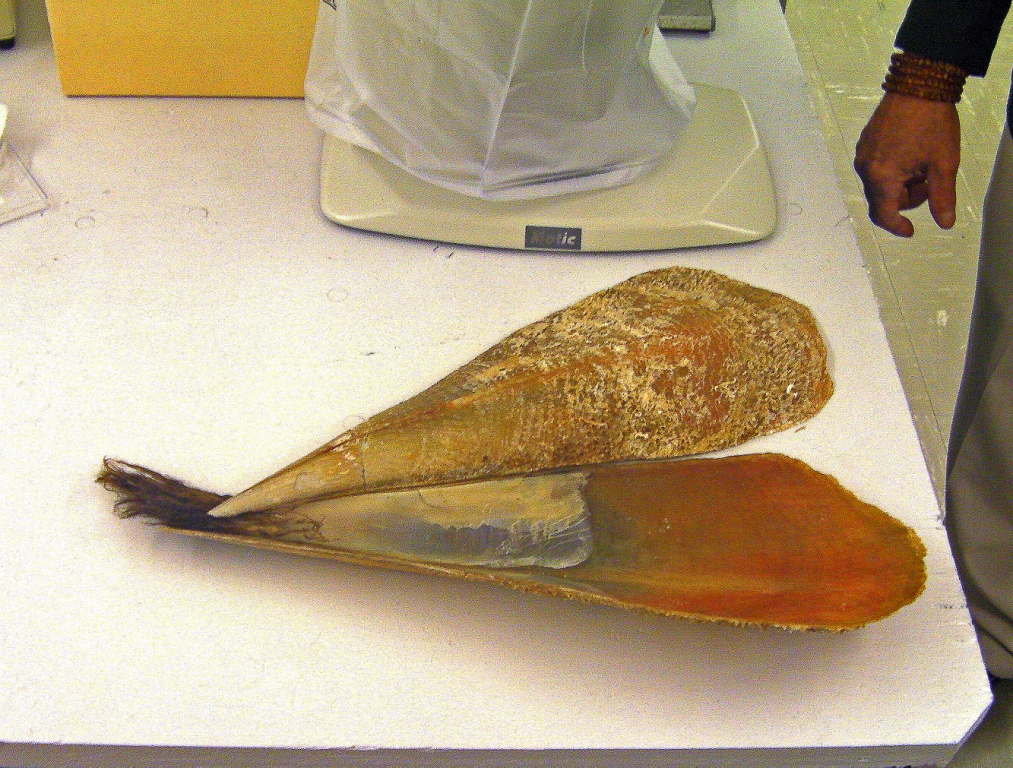

Characteristics and formation
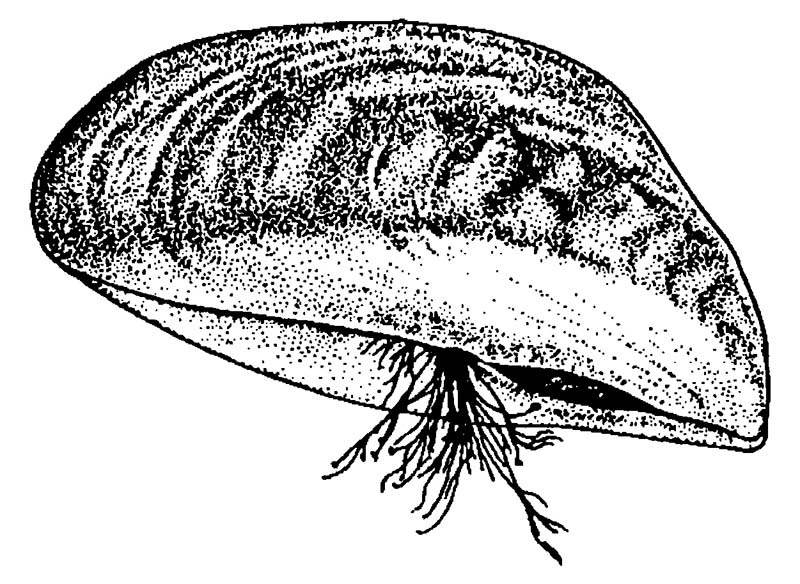
Mussel byssus consists of dozens of proteinaceous threads secreted from a specialized gland in the foot. Each thread has a fibrous core and an adhesive plaque that bonds to surfaces in wet environments. The adhesive chemistry includes unusual amino acids such as DOPA (3,4‑dihydroxyphenylalanine) that promote strong, durable attachment even underwater. Species that produce byssal threads include common marine mussels and several other bivalves; the number, length and toughness of threads vary by species and habitat. Attachment mechanics have inspired research in materials science and medicine.
Sea‑silk and historical use
Sea‑silk refers specifically to a rare fabric spun from the long byssal filaments of certain pen shells. Historically prized for its golden sheen and fine texture, this textile appears in Mediterranean and Near Eastern sources as a luxury material used for garments and ceremonial cloth. Producing sea‑silk required harvesting, cleaning and spinning the filaments into yarn, a labor‑intensive process that made the fabric valuable. Today, the primary source species for traditional sea‑silk are protected in many areas, which makes authentic pieces uncommon. Sea‑silk history emphasizes cultural and conservation aspects.
Uses, importance and modern relevance
Beyond historical textiles, byssus matters for ecology, industry and biomimicry. By anchoring mussels, it structures intertidal communities and affects aquaculture practices. Scientists study byssal adhesives to develop non‑toxic underwater glues, medical adhesives and antifouling strategies. Conservation concerns intersect with cultural heritage where harvesting the animals for fibres conflicts with species protection. Current work balances respect for tradition with ecological stewardship. Applications and research are active fields drawing from biology, chemistry and conservation.
- Biological role: attachment and habitat stability.
- Material qualities: strong, elastic, adhesive in wet conditions.
- Cultural legacy: rare luxury textiles and historical references.
Although the word "byssus" appears in ancient texts with slightly different meanings (sometimes used for very fine linen), in modern usage it most commonly distinguishes between the natural attachment threads of molluscs and the exceptional textile produced from select byssal fibres.
Tags
Related articles
Author
AlegsaOnline.com Byssus: mollusc attachment threads and the rare textile 'sea‑silk' Leandro Alegsa
URL: https://en.alegsaonline.com/art/15746