
Bushidō: The Way of the Warrior — origins, principles, and influence
Bushidō, literally “Way of the Warrior,” is the samurai ethical tradition emphasizing honor, loyalty, and discipline. This article covers its origins, core virtues, practices, historical development, and modern legacy.
Bushidō (literally “Way of the Warrior”) is the set of moral principles and social expectations historically associated with Japan’s warrior class. It developed from the behavior, obligations, and ideals of the samurai and has been compared, for purposes of cross-cultural understanding, to the European knightly code of chivalry. Descriptions of Bushidō vary by period and author, but most treatments present it as a practical ethic guiding how a warrior should live, fight, and face death. Scholars often summarize Bushidō as a cultural framework rather than a single written law or uniform doctrine.
Image gallery
10 Images


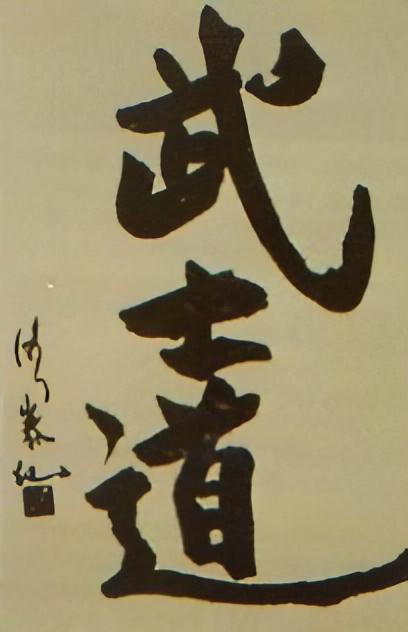


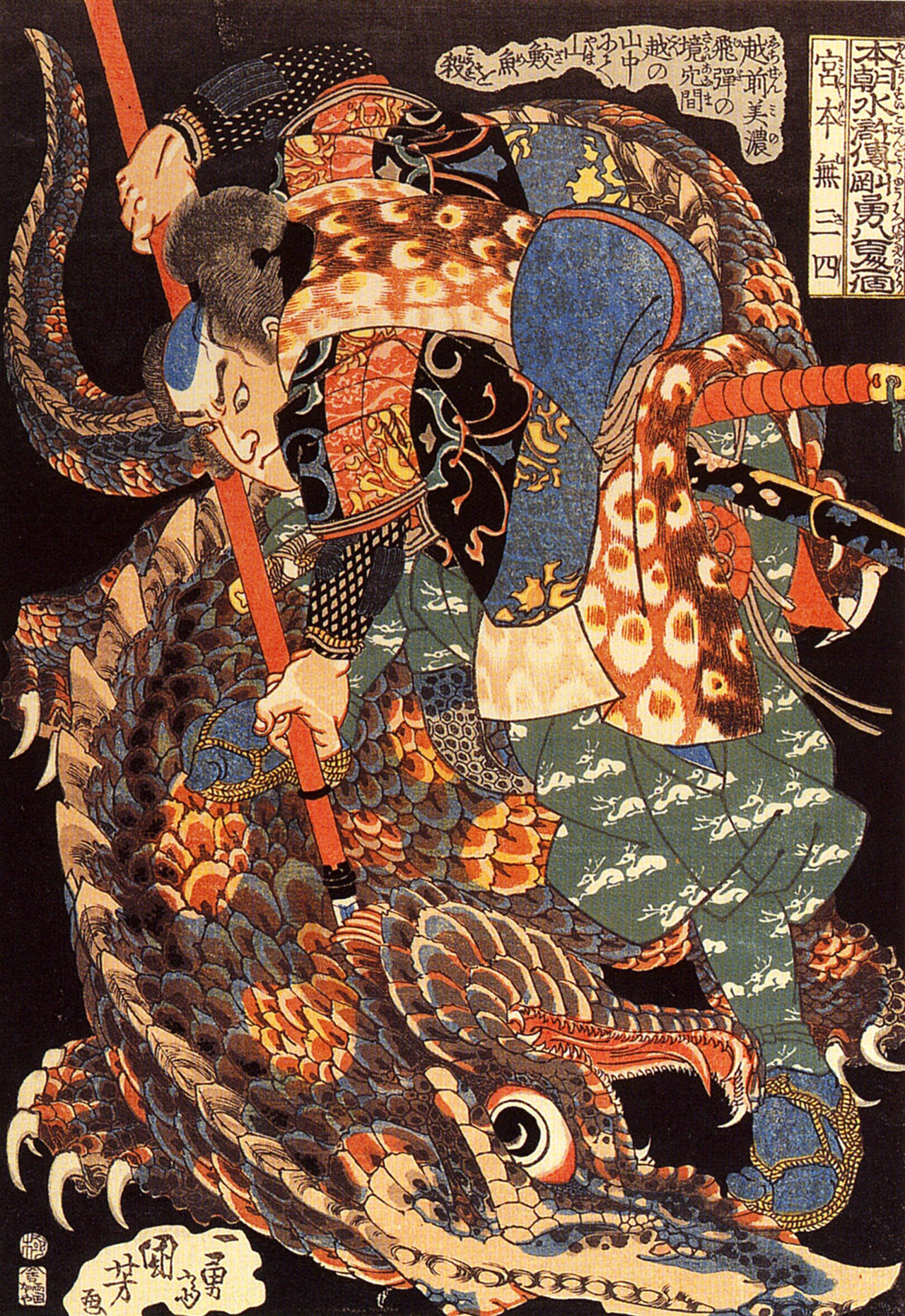
Core characteristics and virtues
Bushidō emphasizes a cluster of interpersonal and personal virtues that informed samurai behavior and reputation. These virtues were practical as well as symbolic: they governed military conduct, clan loyalty, and social standing. Key elements commonly identified include:
- Loyalty to one’s lord and family, often placed above individual preference.
- Personal integrity and honour, including the avoidance of shame and the maintenance of reputation.
- Self-discipline and frugality, reflecting temperance in daily life.
- Skill and dedication to martial arts and military duty.
- Courage, duty, and the willingness to sacrifice—even by ritual means such as seppuku—to preserve honor in extreme circumstances.
- An ethical ideal that incorporates practical judgment: when to fight, when to serve, and when to accept responsibility.
Historical development
The ethical expectations associated with Bushidō emerged gradually as warrior elites took on governing roles. Elements of the tradition trace back to medieval Japan, where warrior clans developed codes of conduct between roughly the 11th and 16th centuries, though the ideas continued to evolve in the centuries that followed. During the early modern period under the Tokugawa shogunate, samurai became a fixed social class and Bushidō themes became more prominent in literature, education, and official life, shaping both behavior and social ideals.
Because Bushidō was not a single legal statute, its precise content varied by region, clan, and era. Some texts and commentaries sought to collect and explain samurai values; later writers—both Japanese and foreign—interpreted and sometimes idealized those traditions for new audiences. One notable consequence was that Bushidō could be invoked to support a wide range of practices and policies, from personal codes of conduct to state ideology in the modern era.
Practices, examples, and modern influence
In practice, Bushidō shaped behavior in battle, administration, and private life. Rituals, training, and arts associated with the samurai reinforced its lessons: martial training, ethical instruction, and cultural practices such as literary study and ceremony all contributed to the formation of a warrior ethos. Influential works and chronicles recorded samurai deeds and advice, preserving examples for later generations.
In the 19th and 20th centuries, reinterpretations of Bushidō influenced national debates about duty, service, and sacrifice. Some wartime movements drew upon these ideas; for instance, commentators have linked aspects of Bushidō rhetoric to the mindset of certain kamikaze pilots during World War II, though historians stress the complex political and social contexts that shaped those actions. In contemporary times, Bushidō remains visible in martial arts, literature, business culture, and popular portrayals of samurai ethics.
Common misconceptions and distinctions
Several misconceptions surround Bushidō. It is not a single, unchanging law but a family of ideals that adapted over time. It was not uniformly enforced as official feudal law across all periods, though authorities sometimes promoted its precepts. Comparisons to Western chivalry are useful for cross-cultural explanation but can obscure important differences—Bushidō is rooted in Japanese social orders, religious influences, and practical military realities that differ from European contexts.
For readers seeking further context, introductory discussions of Japanese history and samurai culture are helpful. Academic and popular sources treat Bushidō from different perspectives: some emphasize moral philosophy and literature, others examine its social and political functions. Wherever it is discussed, Bushidō continues to be a significant reference point for understanding Japan’s past and the cultural meanings associated with honor, service, and martial discipline. Additional resources and comparative materials are available through general historical surveys and specialized studies about Japan or dedicated analyses of the samurai code. Contemporary commentators also compare Bushidō with other martial or ethical systems that list virtues, noting both shared themes and distinctive features.
For concise primary and secondary introductions, consult collections of samurai writings and modern syntheses; many translations and commentaries provide accessible entry points into the tradition. Readers interested in ethical comparisons may follow links that discuss knighthood and chivalry in Europe and traditional warrior ethics more broadly elsewhere. For cultural studies on how Bushidō shaped social expectations, see works on samurai institutions and the Tokugawa period that describe the class and later reinterpretations in literature and education touching on daily practices and ceremonial codes related to loyalty. Additional perspectives on martial training and ritual suicide appear in specialized accounts of martial culture and practice and historical analyses of honor-related customs and their consequences, including some dramatic episodes such as ritual self-sacrifice seppuku and extreme wartime devotion associated with kamikaze.
Related articles
Author
AlegsaOnline.com Bushidō: The Way of the Warrior — origins, principles, and influence Leandro Alegsa
URL: https://en.alegsaonline.com/art/15594
Sources
- uni-erfurt.de : Japanese Feudal Laws John Carey Hall, The Tokugawa Legislation, (Yokohama, 1910), pp. 286-319