
Carpe diem: meaning, origin, and cultural influence
Carpe diem is a Latin exhortation to make the most of the present. This article explains its origin in Horace, linguistic nuance, philosophical interpretations, and modern cultural uses.
Carpe diem is a short Latin phrase that literally translates as "pluck the day" or more commonly "seize the day." It is an imperative urging attention to the present moment and action rather than postponement. The expression has been widely quoted, interpreted, and adapted across literature, philosophy, and popular culture.
Image gallery
2 Images
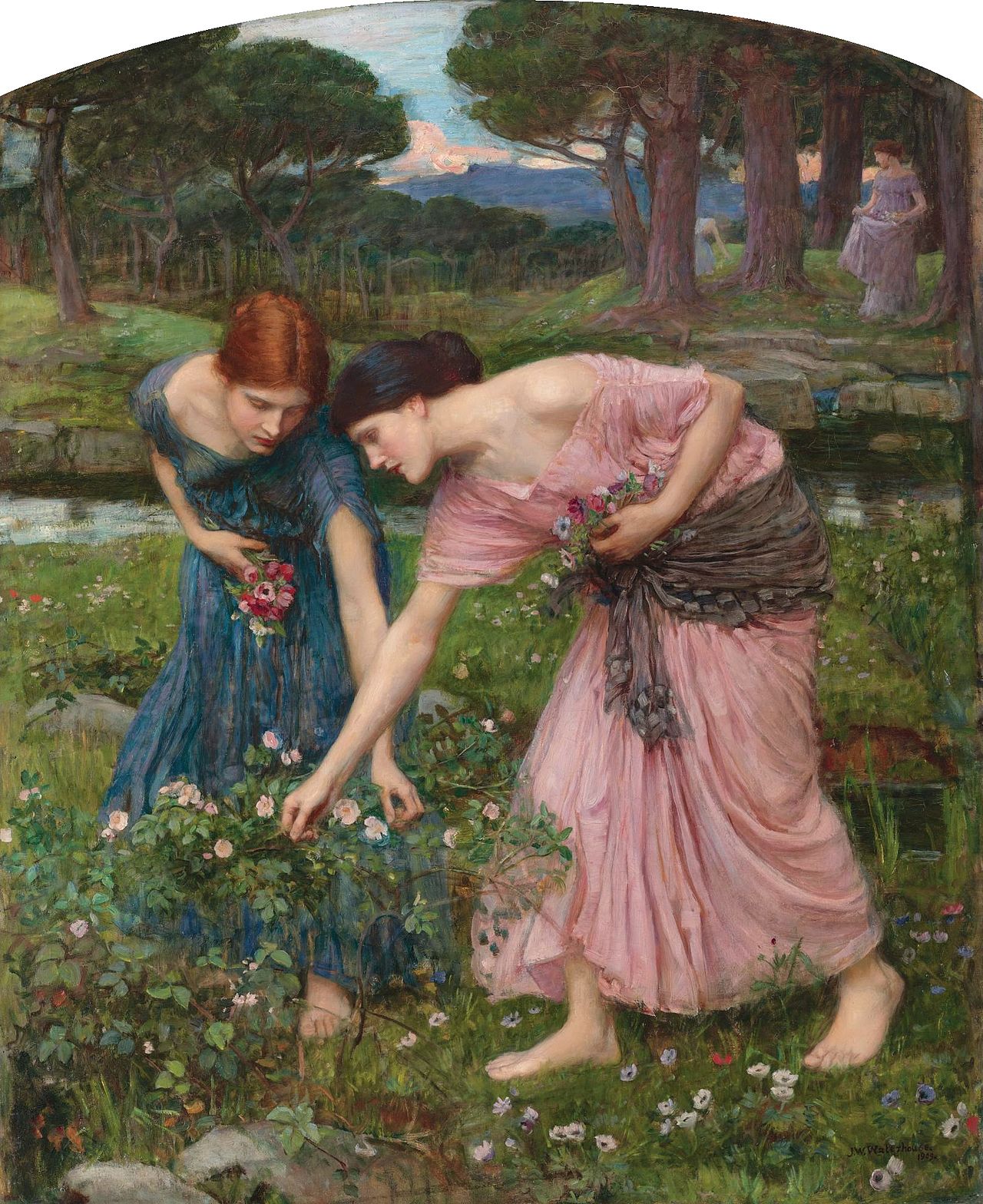
Origin and classical context
The phrase comes from a lyric poem by the Roman poet Horace, who wrote during the late first century BCE. In its original context the line appears as part of a fuller admonition that counsels trust in the present rather than reliance on an uncertain future. Horace's voice is personal and reflective, addressing the fragility of human plans in an era shaped by political change in Rome.
Linguistic and grammatical note
In Latin, "carpe" is the imperative of carpere, a verb that can mean "to pluck, gather, or seize," and "diem" is the accusative singular of dies, "day." The nuance of "pluck" conveys a gentleness or cultivation—like plucking fruit—rather than violent conquest. A standard extension of the phrase, often quoted, advises placing as little trust as possible in tomorrow.
Interpretations and philosophical uses
Readers and thinkers have treated carpe diem in several ways: as a hedonistic call to enjoyment, as a Stoic reminder to live virtuously within the present, and as a pragmatic prompt to act when opportunity arises. In moral and literary contexts it frequently pairs with the theme memento mori, "remember you must die," creating a tension between enjoying life and accepting mortality.
Modern influence and examples
- Poetry and prose: English poets have echoed or translated the idea; it appears in many literary works encouraging immediacy.
- Popular culture: films, songs, and self-help literature use carpe diem or its variants (for example, the slang phrase "YOLO") to promote decisive living.
- Everyday use: the motto appears on personal items, tattoos, and motivational statements as a compact reminder to act.
Notable distinctions and cautions
Although often reduced to a catchphrase, carpe diem is richer than a simple license to indulge. Its classical formulation recommends prudent enjoyment and awareness of uncertainty, not reckless abandon. Understanding the historical and linguistic subtleties helps preserve the phrase's original balance between savoring life and recognizing its limits.
Related articles
Author
AlegsaOnline.com Carpe diem: meaning, origin, and cultural influence Leandro Alegsa
URL: https://en.alegsaonline.com/art/17223