
Bush airplane (bush plane): overview, features, history and uses
Bush airplanes are rugged light aircraft adapted for remote areas. This article explains their characteristics, history, common modifications, and roles in regions such as Alaska, Canada, Africa and Australia.
Overview
A bush airplane, often called a bush plane, is a small, rugged aircraft optimized to operate where prepared runways and road access are limited or absent. Pilots and operators use them to reach remote settlements, wilderness outposts, mineral exploration sites and isolated communities. For introductory resources on bush flying techniques and safety see bush flying resources.
Image gallery
3 Images
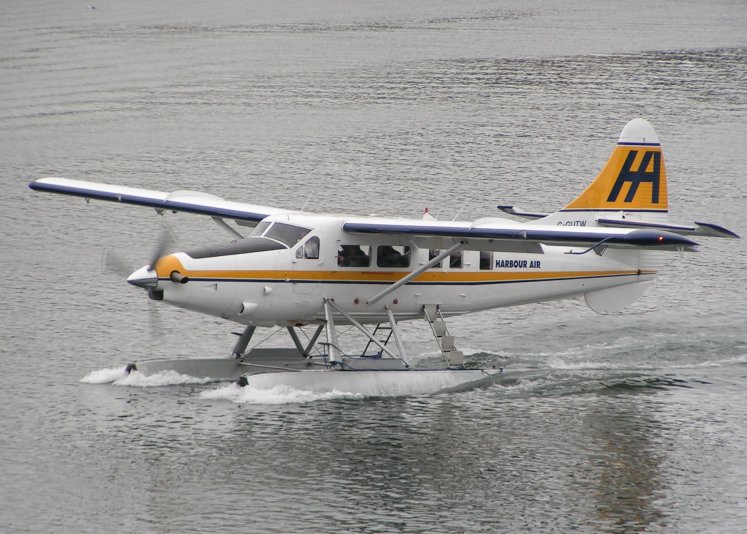

Typical characteristics
Bush planes share several design elements that allow them to work from short, rough or improvised surfaces. Common features include:
- High-wing designs for good ground clearance, visibility and easier loading.
- Robust landing gear and large tires (tundra tires) or skis for operations on soft ground, snow or ice.
- Short takeoff and landing (STOL) capability through wing design and powerful engines.
- Simple, maintainable systems that are repairable in the field.
History and geographic use
Bush aviation developed where geography and climate limited other transport. In northern regions such as Alaska and Canada, aircraft became essential for mail, supply, medical evacuation and access to mining and fishing camps. Similar needs exist in the African bush (African bush) and the Australian Outback (Australian Outback), where long distances and sparse roads make aircraft practical and sometimes vital.
Common models and modifications
Several light and utility aircraft are widely adapted to bush roles. The de Havilland DHC-2 Beaver and modern Cessna types are well known for their durability; for information about manufacturers and specific models see Cessna and general aviation. Typical modifications include floats for water landings, skis for snow, reinforced gear and enlarged tires for unimproved strips.
Roles and importance
Bush planes support diverse missions: supplying remote communities, carrying tourists and hunters to backcountry areas, performing wildlife surveys, conducting aerial firefighting support, and enabling search-and-rescue and medevac operations. Their adaptability makes them valuable to governments, humanitarian organizations and private operators alike.
Distinctive facts and safety considerations
Operating in remote areas increases logistical and safety challenges: weather can change rapidly, navigational aids may be sparse, and pilots must be skilled at off-airport landings and self-reliant maintenance. Nevertheless, bush aviation remains a flexible, cost-effective way to connect places that are otherwise difficult to reach.
Questions and answers
Q: What is a bush airplane?
A: A bush airplane is an aircraft used to serve far away areas of a country, usually in regions such as the African, Alaskan, and Canadian tundra, or the Australian Outback.
Q: Where are bush airplanes typically used?
A: Bush airplanes are typically used in areas where the road system is not good or non-existent, such as in remote locations.
Q: What types of regions require the use of a bush airplane?
A: Regions such as the African, Alaskan, and Canadian tundra or the Australian Outback require the use of a bush airplane due to the lack of road systems.
Q: Which aircraft manufacturers are popular for making bush planes?
A: Cessna and other makers of small and medium-sized airplanes are popular for making bush planes.
Q: Why are bush airplanes necessary in certain areas?
A: Bush airplanes are necessary in certain areas because they are the only means of transportation available due to the lack of road systems or poor road conditions.
Q: How do bush airplanes help in transporting goods and people?
A: Bush airplanes help in transporting goods and people by providing accessibility to remote areas where conventional transport options are not feasible.
Q: What is the primary purpose of a bush airplane?
A: The primary purpose of a bush airplane is to provide transportation to remote areas where conventional transport options are not feasible.
Related articles
Author
AlegsaOnline.com Bush airplane (bush plane): overview, features, history and uses Leandro Alegsa
URL: https://en.alegsaonline.com/art/15580
Sources
- bush-planes.com : "Bush planes used in areas where roads do not exist"