
Bypass (road): purpose, design, impacts and differences from ring roads
A bypass diverts through-traffic around a town or village. This article explains purposes, typical features, benefits, controversies, planning issues and how bypasses differ from ring roads and beltways.
Overview
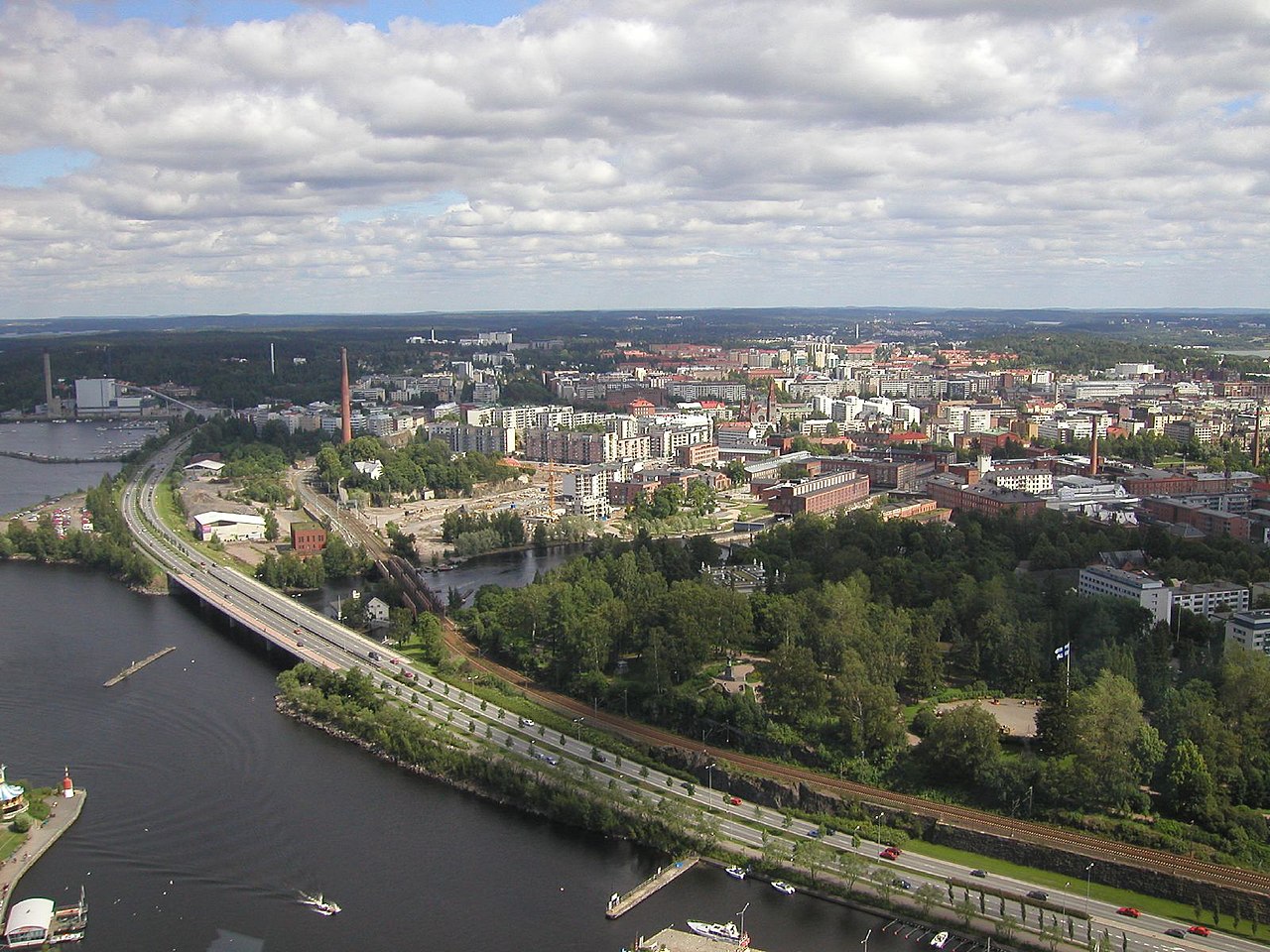
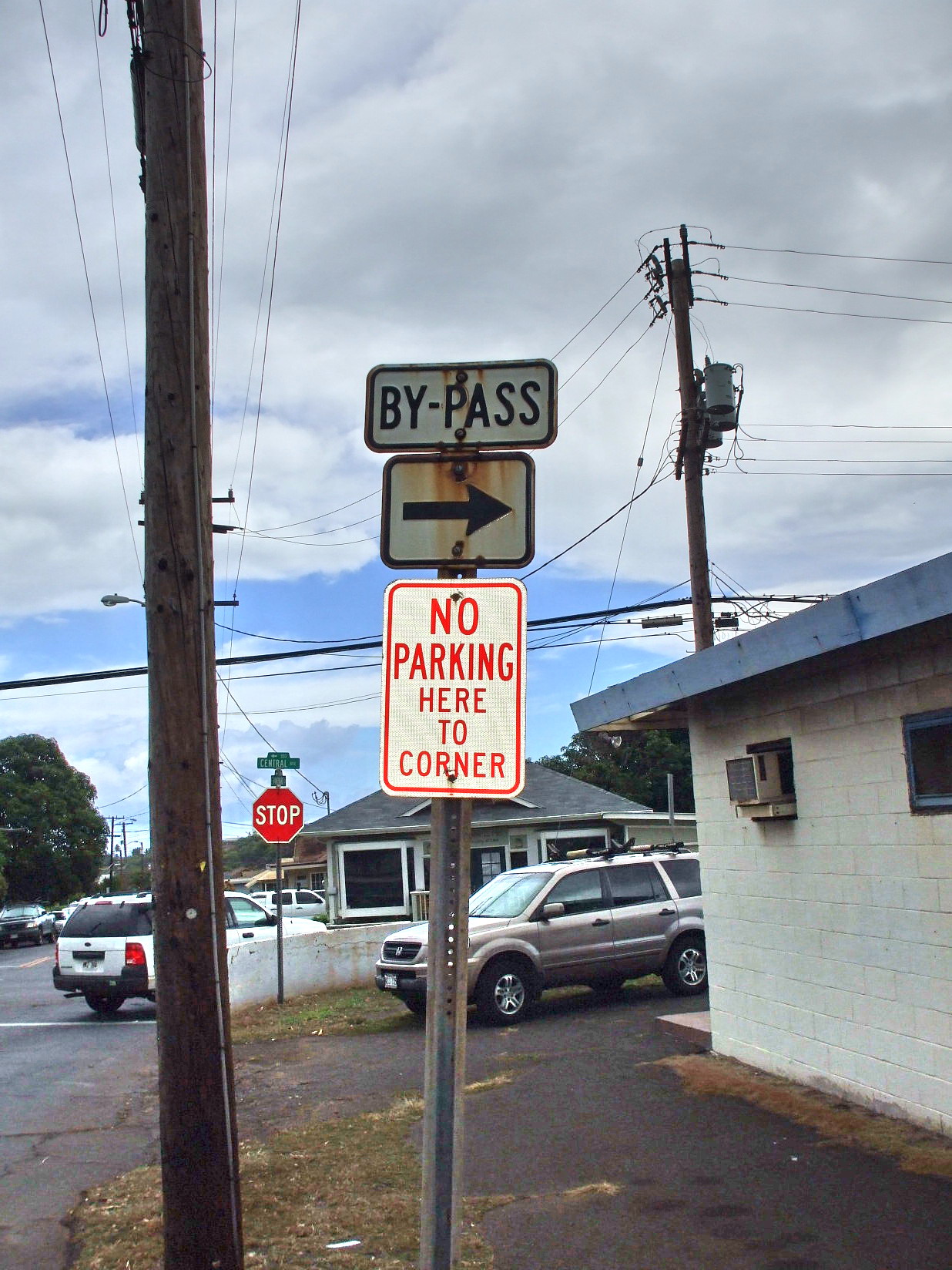
A bypass is a road built to redirect through-traffic around a town or village rather than through its centre. It may be a simple single-carriageway diversion or a larger limited-access highway. The primary aims are to reduce congestion in the settlement, improve road safety for local users, and shorten journey times for traffic that does not need to stop in the town. A successful bypass can make a town centre quieter and more attractive for residents, pedestrians and local commerce.
Image gallery
6 Images



Typical features and design considerations
Design of bypasses varies by context. Rural bypasses are often single carriageway with at-grade junctions, while major schemes use dual carriageways, grade-separated junctions and limited access to maintain traffic flow. Noise barriers, earth bunds and landscaping are commonly provided to reduce disturbance. Planners also consider drainage, wildlife crossings and pollution mitigation. Where appropriate, pedestrian, cycling and public transport links are provided to maintain local connectivity and avoid isolation of communities.
Benefits
- Reduces through-traffic in built-up streets, improving safety and amenity.
- Shortens travel time for long-distance and freight traffic, improving reliability.
- Allows reallocation of central road space for pedestrians, cyclists and public realm improvements.
Controversies and local impacts
Despite benefits, bypass projects can be contentious. Construction consumes land and can fragment habitats or alter landscapes. Noise, visual intrusion and temporary disruption during construction are common concerns. Local businesses that relied on passing trade — for example petrol stations or cafés — may see fewer customers after a bypass opens; conversely, other businesses may benefit from improved local conditions. Environmental assessment and public consultation are normally required to identify and reduce negative effects, including air quality and ecological impacts (environmental guidance).
Land-use change and induced development
A common long-term effect is that development follows new roads. If planning controls are weak, buildings and commercial plots may be developed along the route, eventually turning a bypass into an urban corridor. This process can restore congestion levels and reduce the intended relief unless controlled by zoning, green belts or other land-use policies. Effective integration of transport and land-use planning is therefore important.
Planning, history and terminology
Bypasses have been used since the growth of motor traffic to manage flows through settlements. Modern projects usually require traffic studies, environmental statements and community engagement. Terminology varies by country: "bypass" and "relief road" are often synonymous; "orbital" or "beltway" denotes roads that encircle a larger area. A road that completely encircles a city is commonly called a ring road or beltway; an often-cited example is the M25, which forms a major orbital route around London (example).
Managing outcomes
To maximise benefits and limit downsides, authorities combine engineering design with policies: access controls, landscaping, habitat mitigation, speed management, and measures to support town centres so they remain attractive to visitors and residents. Case studies and technical guidance from national agencies inform decisions and help communities weigh transport improvements against environmental, social and economic costs (local economies). For practical resources on community planning and project appraisal see introductory materials and guidance provided by transport and planning bodies (town centre strategies) and highway authorities (highway guidance), along with comparative studies of diversion schemes (town case studies).
Questions and answers
Q: What is a bypass?
A: A bypass is a road or highway that goes around a town or village so that traffic which is passing that town does not have to go through the town centre.
Q: What is the benefit of a bypass for the residents of a town?
A: Bypasses are good because they reduce the amount of traffic in the centre where the people live and work. It makes it much safer for them to cross the roads, and reduces pollution.
Q: What is the benefit of a bypass for the vehicles passing through the town?
A: It is better for the vehicles passing the town because their journey is made quicker.
Q: Why might some people object to the construction of a bypass?
A: The main objections people sometimes have is that a new road uses up a lot of land. Also, some people who have businesses in the town (especially filling stations and restaurants) may think that they will not get so many customers.
Q: What happens if there are no strong rules that control the use of land around a bypass?
A: If there are no strong rules that control the use of land, buildings are built along a bypass, making it an ordinary town road so that it might become just as busy as a town street again.
Q: What is a ring road?
A: A road that goes all the way around the town in a large circle is called a ring road.
Q: Can you give an example of a ring road?
A: The M25 is a ring road for London.
Related articles
Author
AlegsaOnline.com Bypass (road): purpose, design, impacts and differences from ring roads Leandro Alegsa
URL: https://en.alegsaonline.com/art/15738