
Truck cabin (cab): design, types, features and role in road transport
The cabin (cab) of a truck is the enclosed space for the driver and passengers. This article explains its layout, common types, comfort and safety features, historical development and distinctions from pickup cabs.
The cabin or cab of a truck is the enclosed compartment that houses the driver and any passengers and contains the vehicle's controls, instruments and seating. It serves as the operational center for driving, navigation and communication on all types of commercial and light-duty trucks. Cabs vary widely in size and equipment depending on the truck's intended use: short-haul delivery, construction, long-distance freight or personal pickup use. For a basic introduction to the vehicle as a whole, see truck.
Image gallery
10 Images


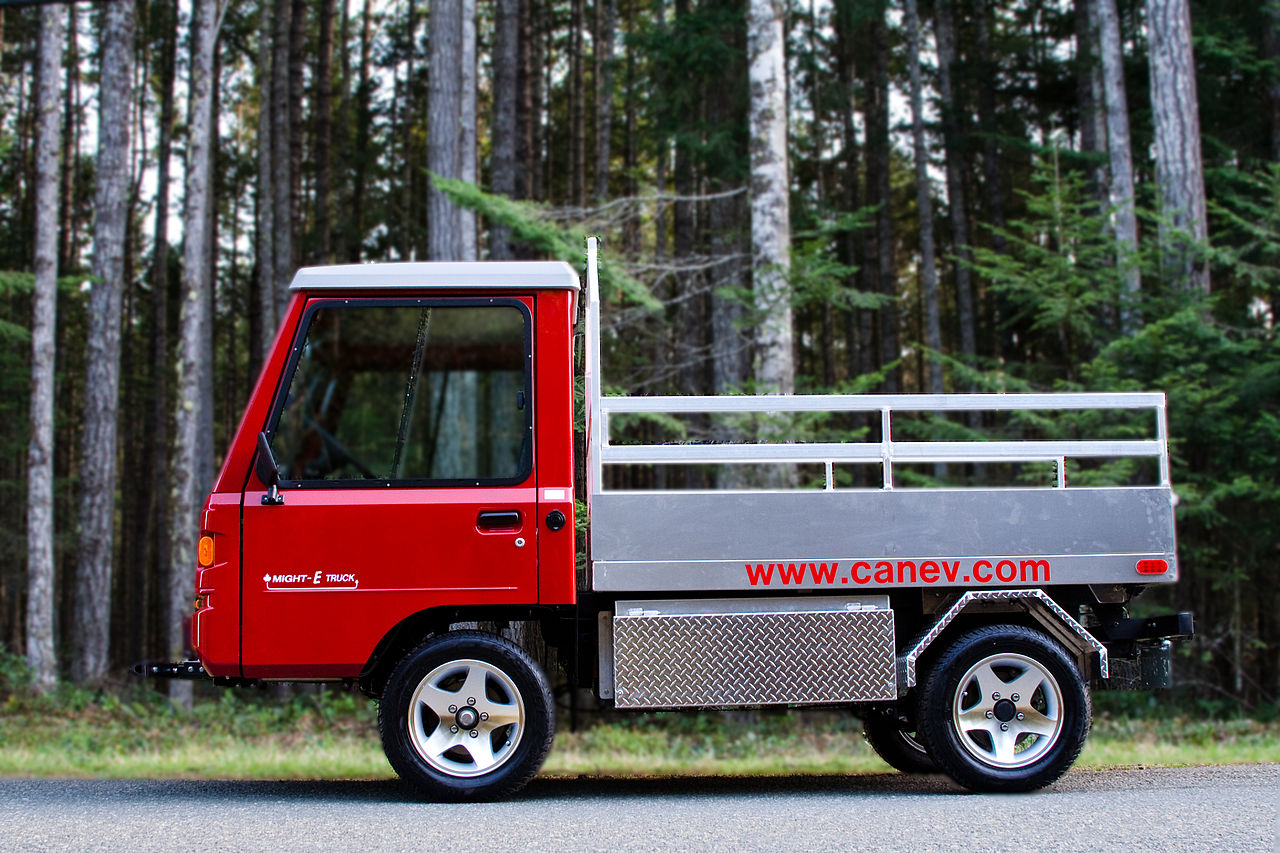
Layout and main components
A typical truck cabin contains a driver's seat, steering column, pedals and a dashboard with instruments and displays. Modern cabs also include climate control, audio and telematics systems, lighting and storage compartments. Larger commercial cabs add sleeping berths, refrigerators and work surfaces. Safety equipment such as airbags, seat belts, rollover protection and advanced driver-assistance systems are increasingly common.
Common cab types
- Day cab — no sleeping area, used for local and regional work.
- Sleeper cab — includes a bunk or berths for driver rest on long-haul trips.
- Crew or extended cab — accommodates additional passengers or tools; common in utility and pickup trucks.
- Cab-over-engine (COE) vs. conventional — COE puts the cab above the engine for a shorter wheelbase; conventional designs have a hood and front engine compartment.
Comfort, ergonomics and equipment
Comfort features range from air-suspended seats and adjustable steering to multi-zone climate control and infotainment systems. Ergonomics are important for drivers who spend long hours behind the wheel: controls are arranged to reduce fatigue and improve visibility. Long-haul sleepers often include storage, mattress options and power outlets to support extended trips. Pickup truck cabs may offer car-like amenities to appeal to everyday drivers.
History and evolution
Early truck cabs were minimal shelters added to chassis; over time they evolved into fully enclosed, climate-controlled spaces. The development of sleeper cabs paralleled the growth of long-distance freight transport, while aerodynamic designs and lightweight materials improved fuel efficiency and comfort. In recent years, digital instrumentation, connectivity and advanced safety systems have become standard upgrades.
Roles, distinctions and trends
The cabin affects driver comfort, legal compliance (hours of service and rest), payload distribution and vehicle length. Fleet managers choose cab types to balance cargo capacity, range and crew needs. Emerging trends include electrification of powertrains, greater in-cab connectivity for fleet management and gradual introduction of autonomous driving aids. For more about the human element of operating heavy vehicles, see driver.
Understanding cab options helps buyers, operators and designers match a vehicle to its intended tasks, whether a compact city delivery van or a long-haul tractor with a large sleeper.
Questions and answers
Q: What is a cabin or cab in a truck?
A: The cabin or cab of a truck is the inside space where the driver is seated.
Q: What features do modern long-haul truck cabs usually have?
A: Modern long-haul truck cabs usually feature air conditioning, a good sound system, and ergonomic seats that are often air-suspended.
Q: How comfortable can a pickup truck cab be?
A: A pickup truck cab can be made as comfortable to drive as a car by having options that can make it so.
Q: Why is it important for a long-haul truck cab to have air conditioning?
A: It is important for a long-haul truck cab to have air conditioning because the driver will be spending extended periods of time in the cab and the temperature inside can become uncomfortable.
Q: What is unique about the seats in a modern long-haul truck cab?
A: The seats in a modern long-haul truck cab are often air-suspended which means that they can be adjusted to the driver's comfort level and provide extra support.
Q: Why is it important for a pickup truck cab to have comfortable features?
A: It is important for a pickup truck cab to have comfortable features so that it can be used for long drives and make the driving experience more pleasant.
Q: How do pickup truck cabs compare to car cabs?
A: Pickup truck cabs can be made as comfortable to drive as car cabs by having options that can make them so.
Related articles
Author
AlegsaOnline.com Truck cabin (cab): design, types, features and role in road transport Leandro Alegsa
URL: https://en.alegsaonline.com/art/15844
Sources
- commons.wikimedia.org : Front cabins of trucks
- autoaccessoriesgarage.com : "Pickup Truck Cab Styles Guide"
- realtruck.com : "Pickup Truck Cab Styles Guide"