
Grappling (martial arts and combat sports)
Grappling covers non‑striking techniques for seizing, controlling and submitting an opponent. It underpins sports such as judo, wrestling and sumo and informs self‑defence, law enforcement and mixed competition.
Overview
Grappling describes the set of techniques and tactics used to seize, control and submit an opponent without relying on strikes or weapons. In many systems the objective is to gain positional control, force a submission through joint locks or chokeholds, or achieve a scoring position in a match. Grappling is practiced in pure forms within specific combat traditions and as part of broader combat sport rulesets; it is contrasted with striking arts that emphasize punches and kicks.
Image gallery
8 Images


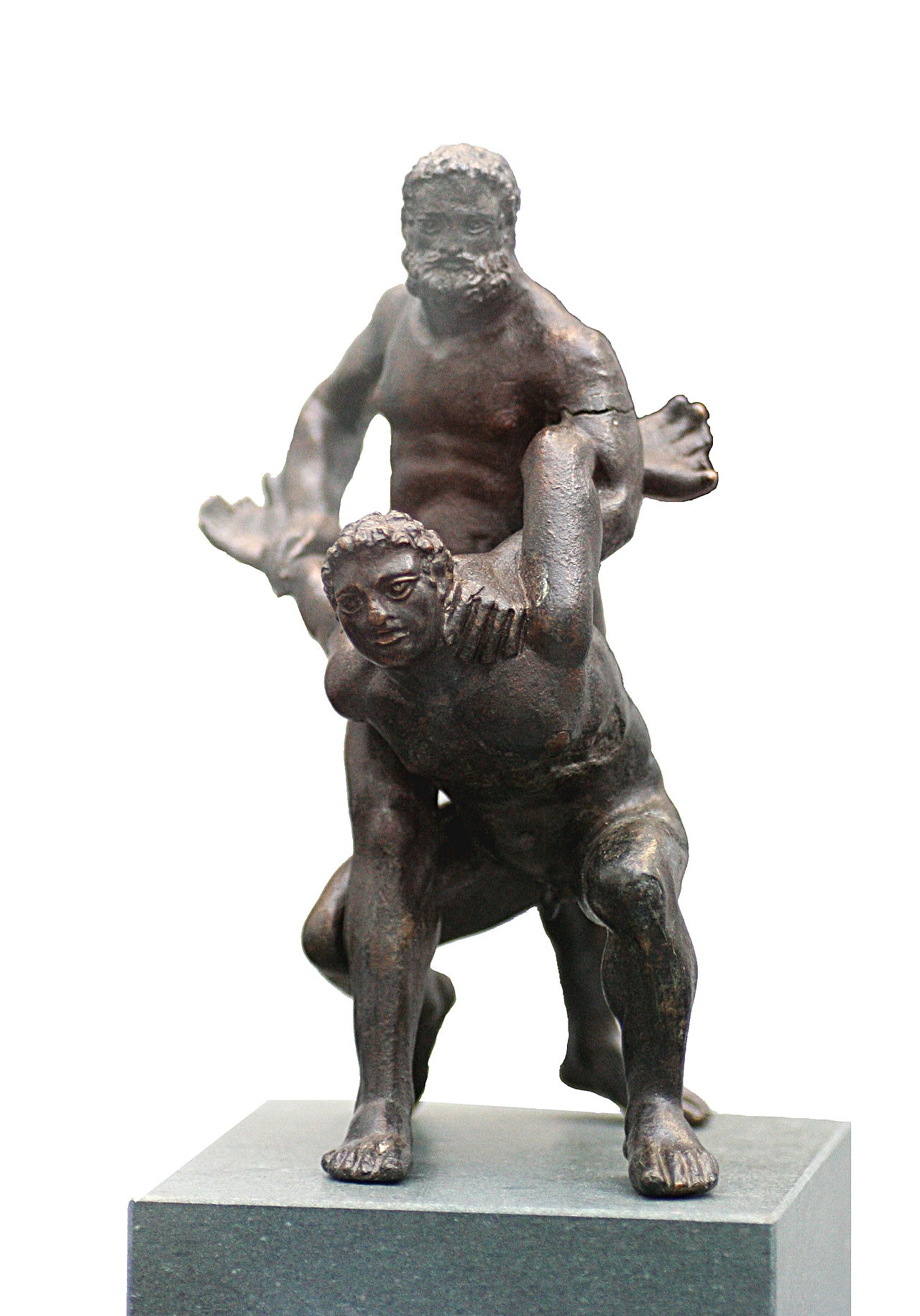
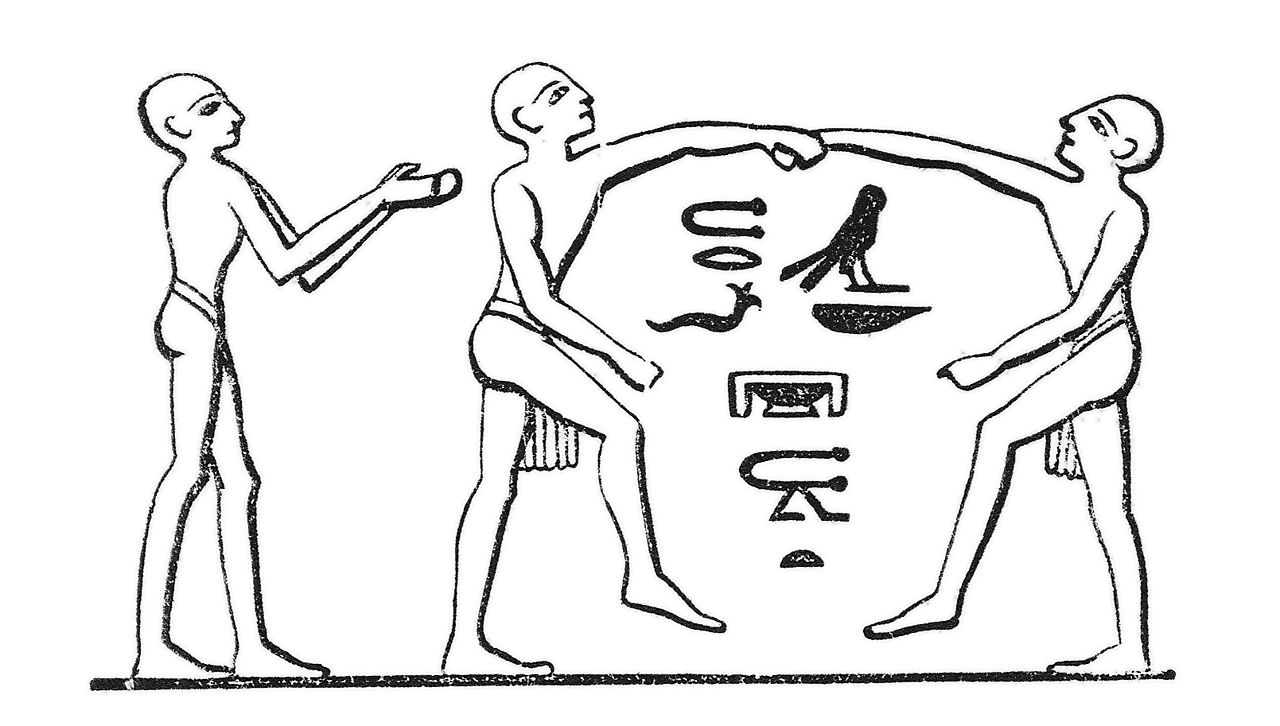


Techniques and positions
Common methods include the clinch, throws and takedowns to bring a fight to the ground, pins that immobilize an opponent, and submission holds that target joints or the neck. Practitioners work to achieve dominant positions such as mount, side control, knee on belly and back control, from which control or submissions are easier to secure. Training emphasises balance, leverage, timing and safe progressive practice to reduce injury.
History and development
Close‑quarters grappling and wrestling are among the oldest combat practices recorded in many cultures. Over centuries these arts were formalised into codified sports and martial systems: for example traditional sumo in Japan, Olympic and folk forms of wrestling, and the modern competitive art of judo. In the 20th and 21st centuries cross‑training, the development of Brazilian Jiu‑Jitsu and specialised submission tournaments have broadened interest and techniques.
Competitive formats
Grappling competitions vary widely: some award points for throws, takedowns and positional control, while others use submission‑only rules where a tap ends the match. Events may be held with a gi (uniform) or no‑gi, and different rule sets emphasise safety, sport‑specific strategies or realism for self‑defence. Grappling also forms a central component of mixed rules contests such as mixed martial arts, where it is combined with striking within regulated bouts.
Training, uses and safety
Grappling develops close‑range control, awareness of body mechanics and options for defence when striking is unavailable or undesirable. It is taught for sport, self‑defence, police work and general fitness. Good instruction stresses progressive drilling, live practice with controlled intensity, proper warm‑up and recovery, and adherence to gym etiquette so partners can train safely while developing skill and confidence.
Notable grappling disciplines
- Traditional and Olympic wrestling — a family of styles focused on takedowns and pins (wrestling).
- Judo — combines standing throws with groundwork and submissions (judo).
- Sumo — ring‑based pushing, balance and grappling contests (sumo).
- Brazilian Jiu‑Jitsu / submission grappling — emphasis on positional control and submissions in gi and no‑gi formats.
For those seeking further orientation, introductory resources in clubs and federations for combat and combat sport contexts provide safe entry points; comparisons with striking arts help clarify training priorities and rule‑based differences.
Related articles
Author
AlegsaOnline.com Grappling (martial arts and combat sports) Leandro Alegsa
URL: https://en.alegsaonline.com/art/40363