
Burgenland Croatian
A Chakavian-based Croatian variety spoken by Croat minorities in Austria, Hungary, Slovakia and the Czech Republic; maintained as a regional written standard and minority language in Burgenland.
Overview
Burgenland Croatian is a regional variety of Croatian traditionally associated with the Chakavian speech group. It is spoken by Croatian minority communities located primarily in eastern Austria and in neighboring parts of Central Europe. The variety is best known for its long-standing presence in the Austrian province of Burgenland, where it has been recognized as a minority language and where community institutions continue to promote its use and teaching.
Image gallery
3 Images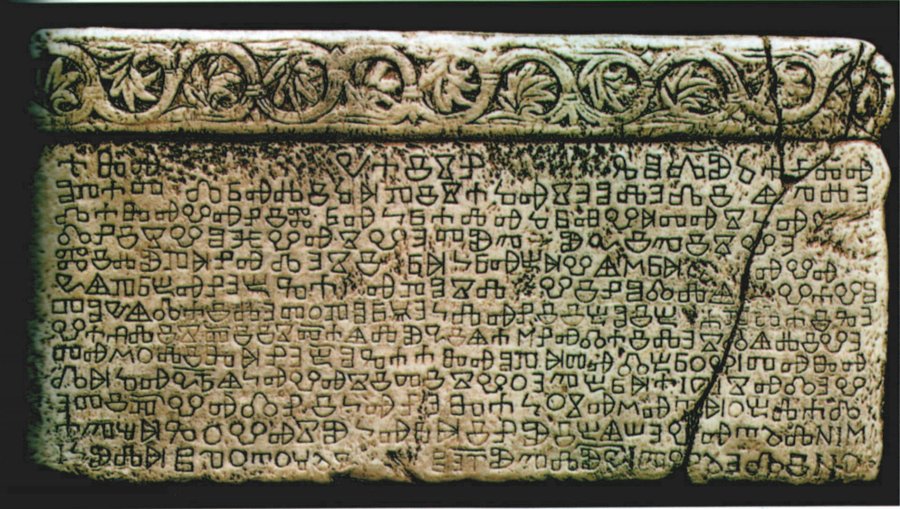


Where it is spoken
The language is found in several countries. Large concentrations are in Austria (Austria), especially the state of Burgenland, with additional communities in the cities of Vienna and Graz. Smaller groups of speakers live across the border in Hungary, the Slovak borderlands, and the southern parts of the Czech Republic. Historically and culturally these groups are often grouped together under the name "Burgenland Croats."
Linguistic character and written form
Burgenland Croatian is based on Chakavian features but has preserved archaic elements that distinguish it from the standardized, modern Croatian used in Croatia. It shows local innovations and lexical borrowings from German and Hungarian, reflecting centuries of contact. A regional written standard has been developed and is used in community newspapers, religious texts and cultural publications. Linguists and speakers often describe it as both a spoken dialect and a stabilised regional language variety.
History and development
The community traces its roots to migrations in the 16th century, when Croats relocated north and west during the Ottoman period. Over subsequent centuries these communities preserved their language and Catholic traditions while adapting to new political and linguistic environments. The modern notion of Burgenland Croatian as a recognized minority language grew in the 19th and 20th centuries with the rise of regional identity movements and later with minority-protection measures after World War II.
Uses, institutions and vitality
Burgenland Croatian is used in family life, in local cultural associations, in some schools and in religious practice. Community organisations publish newspapers and host festivals in the language. Census figures have varied; for example, around 19,000 people were reported in Burgenland as speakers in an early 21st-century count, though numbers are influenced by assimilation and migration. Efforts to teach the language to younger generations, to produce teaching materials and to broadcast in the language are ongoing.
Distinctive facts and challenges
- Identity: For speakers, the variety is an important marker of Croat identity across borders.
- Difference from standard Croatian: Pronunciation, vocabulary and some grammar points set it apart from the Zagreb-based standard.
- Cross-border character: The same written form is often used by Croat minorities in neighbouring Hungary, Slovakia and the Czech Republic, underlining shared cultural links.
- Preservation challenges: Urbanisation, bilingualism and demographic change put pressure on intergenerational transmission.
Scholars study Burgenland Croatian both as a subject of Slavic dialectology (see Chakavian) and as an example of a minority language maintained in a multilingual European region. For community information and cultural resources, local associations and regional educational programmes remain primary sources of support and promotion.
Further reading and resources are available from regional cultural organisations and minority language archives (Chakavian studies, Austrian minority law, and local community sites in Hungary, Czech, Slovakia, Burgenland, Vienna and Graz).
Related articles
Author
AlegsaOnline.com Burgenland Croatian Leandro Alegsa
URL: https://en.alegsaonline.com/art/15404