
Buenaventura Durruti
Spanish anarchist leader and militiaman (1896–1936) who played a prominent role in the early months of the Spanish Civil War and the anarchist movement in Spain.
Overview
Buenaventura Durruti Dumange was a leading figure in Spanish anarchism in the first decades of the 20th century. Active as an organizer, militant and militia commander, he became widely known for his role in the revolutionary upsurge that accompanied the outbreak of the Spanish Civil War in 1936. Durruti symbolized the commitment of many libertarian activists to both social revolution and armed resistance to fascism.
Image gallery
10 Images
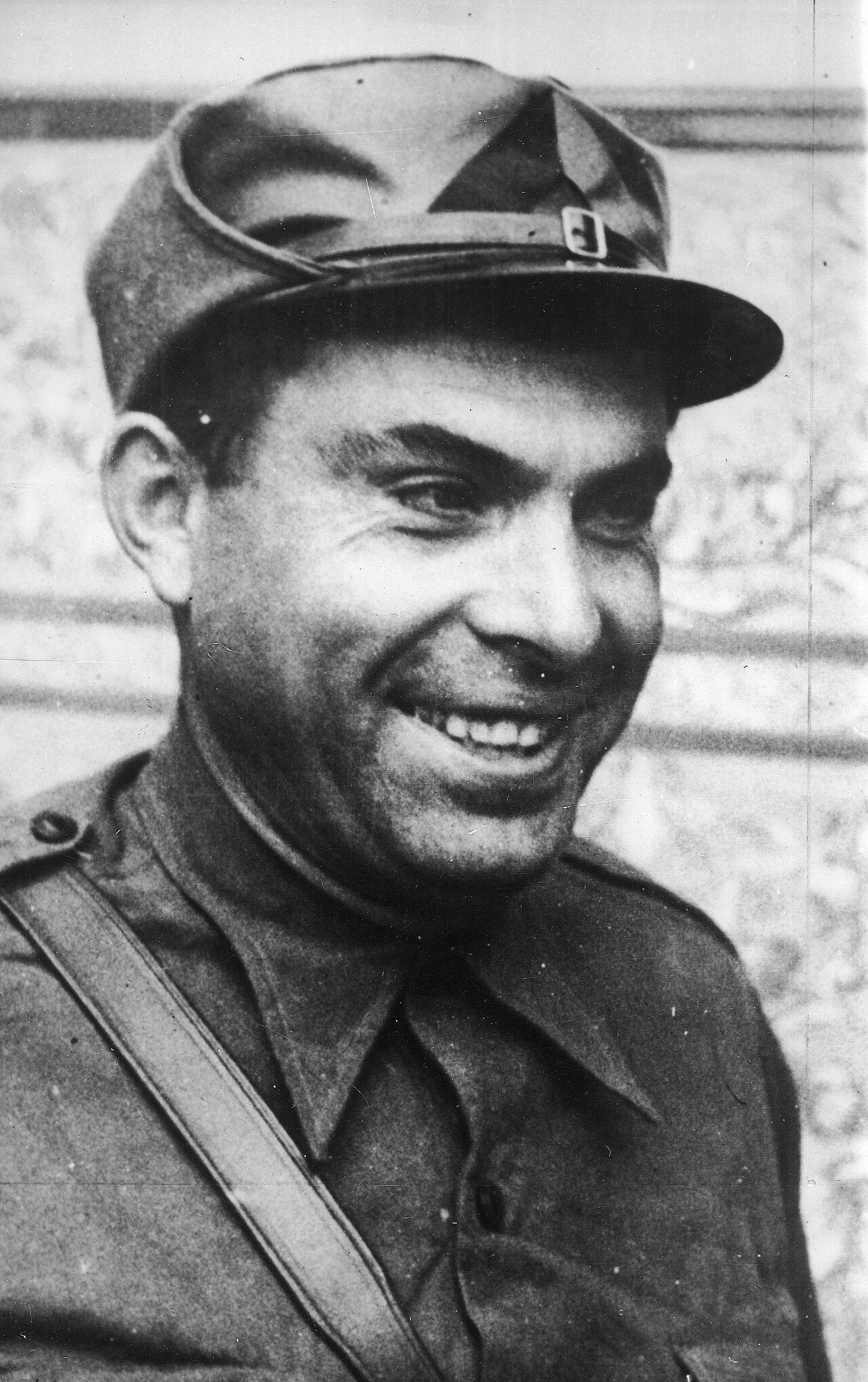
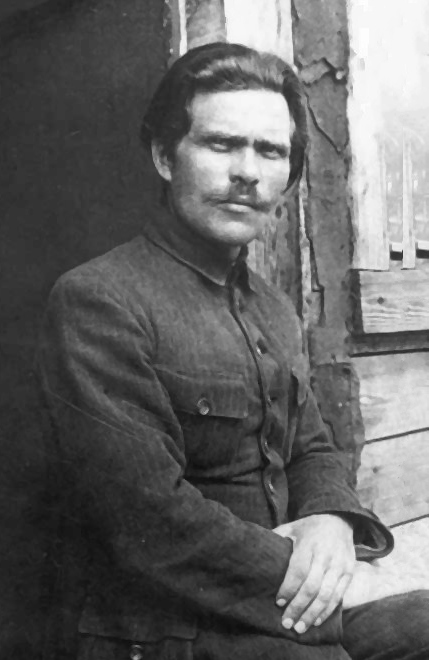


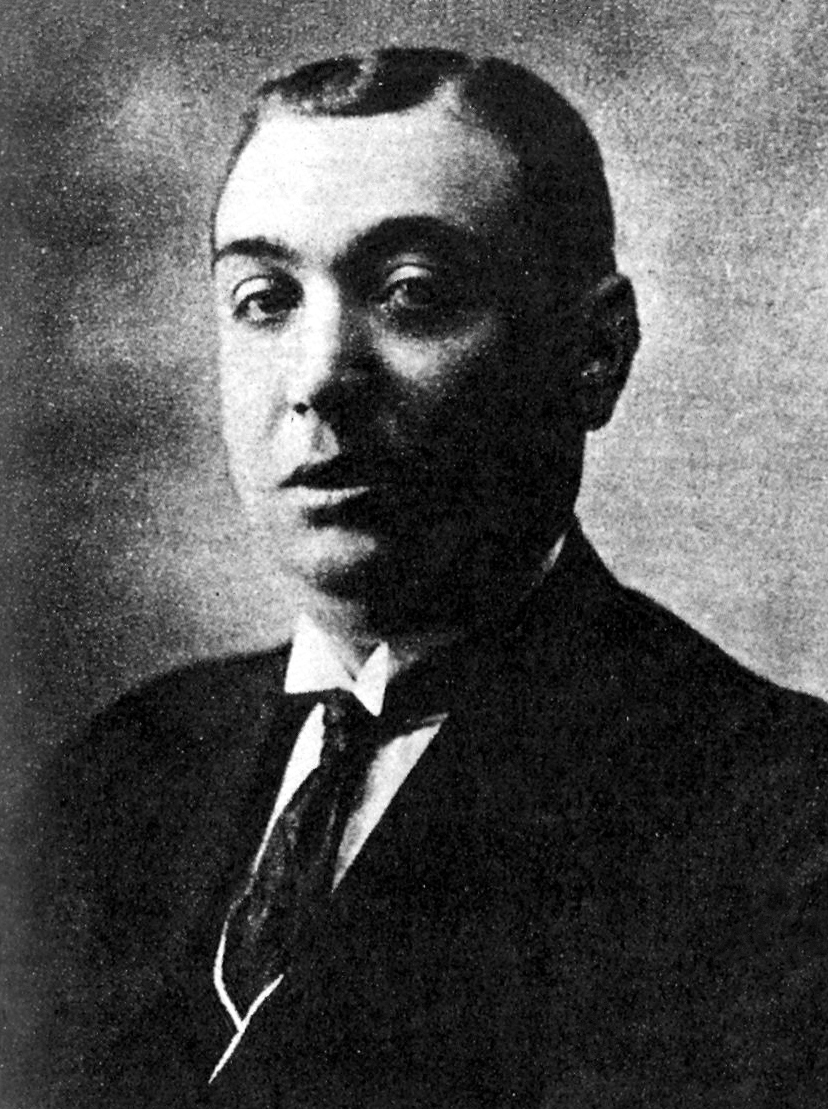

Early life and activism
Durruti was born in the province of León and grew up in a working-class environment near León. From his youth he was involved in labor struggles and anarchist groups. He joined syndicalist and anarchist organizations that sought to organize workers outside of conventional political parties. During the 1920s and early 1930s he was linked to a network of militants who sometimes used illegal expropriation (robberies) to finance comrades, prison breaks and propaganda.
Methods and reputation
Durruti combined organizing with direct action. Supporters remember him as a principled leader who preferred to remain among rank-and-file workers and fighters; critics emphasized his use of armed means. Opponents circulated allegations tying him or his followers to violent incidents, including claims about attacks on clergy. For example, accusations concerning the death of Bishop Juan Soldevilla circulated at the time; historians treat such claims cautiously and note that contemporary propaganda frequently inflated or distorted events for political ends. Durruti’s activities were tied to broader struggles by labor unions and anarchist federations in Spain.
Spanish Civil War and the Durruti Column
After the military uprising of July 1936, Durruti helped organize armed columns of volunteers from Barcelona and elsewhere. The best-known of these was the Durruti Column, which combined fighters, collectivized workers and local committees to both fight the rebel forces and implement social measures in areas they controlled. The column moved to the Aragon front and later elements marched toward Madrid to help defend the capital.
Death and legacy
Durruti died from a gunshot in November 1936 while in Madrid; the precise circumstances remain debated. Contemporary reports variously suggested enemy action, accidental fire or internal assassination, and later historians have not reached a single definitive conclusion. His death made him a martyr for many on the anti-fascist and anarchist left, and his name continued to be invoked in political argument and cultural memory throughout and after the civil war.
Notable facts
- He was associated with the Iberian anarchist movement and groups that later joined syndicalist unions and federations (anarchist movement).
- His column experimented with worker self-management in parts of Aragon and Catalonia during 1936.
- Controversies about his actions and the charges leveled by political foes—such as involvement in killings of political or religious figures—are discussed cautiously by historians and remain part of his contested legacy; one such figure often mentioned in sources is Bishop Juan Soldevilla.
Durruti’s life illustrates the interwoven currents of social struggle, revolutionary politics and armed conflict in 1930s Spain, and he remains a prominent and debated personality in histories of the era.
Related articles
Author
AlegsaOnline.com Buenaventura Durruti Leandro Alegsa
URL: https://en.alegsaonline.com/art/15109