
Trade union (labor union)
An organization of workers that negotiates pay, hours and conditions collectively. Covers structure, history, functions, legal variations, methods such as collective bargaining and strikes, and modern challenges.
Trade unions (often called labor unions) are organizations formed by workers to pursue common workplace interests. At their core unions enable employees to negotiate wages, hours, benefits and safety standards together rather than individually. A union may be registered as an organization and typically represents a defined group when dealing with employers or public authorities. Members join because collective action can balance the bargaining power between individual employees and management.
Image gallery
10 Images




Structure and common functions
Unions vary in size and formality. Some represent workers in a single occupation or trade, others cover entire industries or the public sector. Typical roles include:
- Collective bargaining to reach agreements on pay and working conditions.
- Representation of individual members in grievances, disciplinary hearings and appeals.
- Providing legal advice, training, unemployment or welfare support funded through membership dues.
- Campaigning for workplace safety, social protections and labor-friendly public policies.
Types and membership
Different models exist: craft or trade unions focus on particular skills, industrial unions organize all workers in an industry, and general unions accept a wide range of occupations. Membership is voluntary in many systems and may require payment of dues. The group composition of a union — a group of workers with shared interests — often determines its priorities and tactics.
History and development
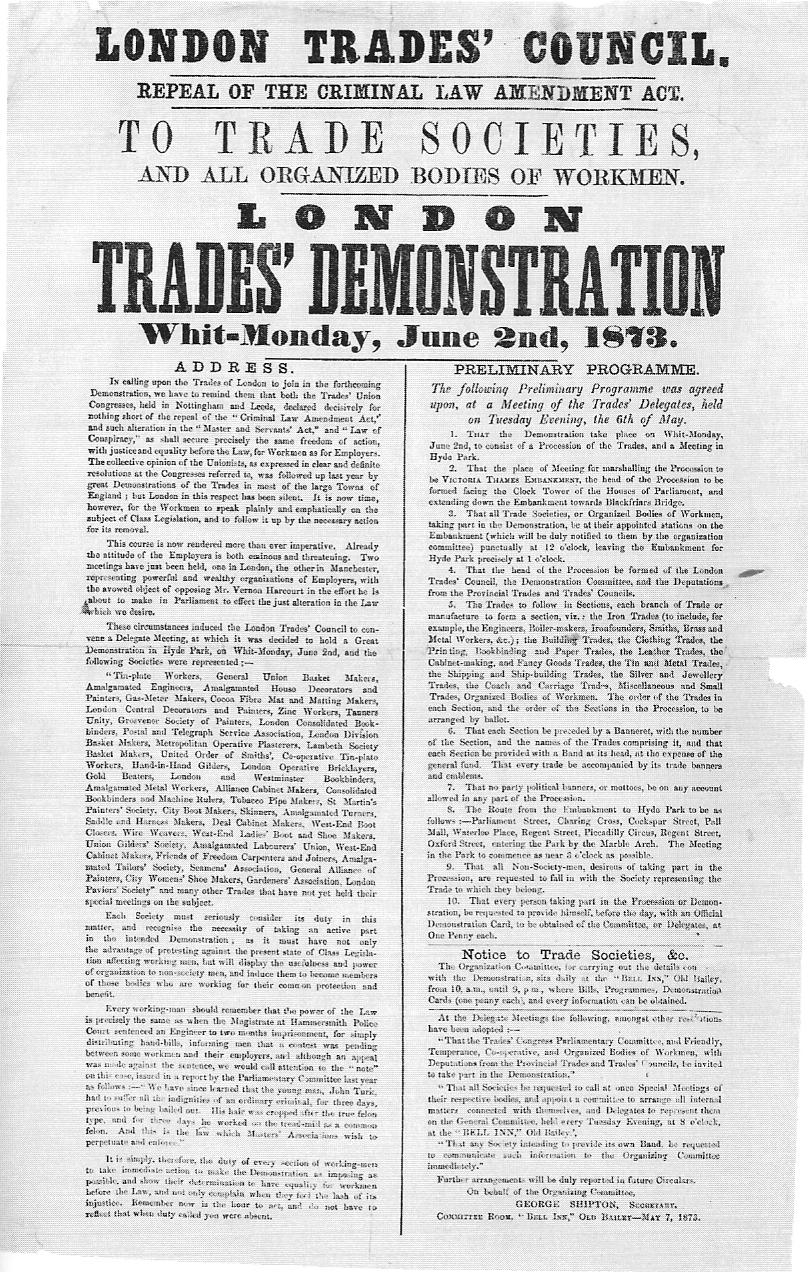
The modern trade union movement grew alongside industrialization in the 18th and 19th centuries as wage labor became widespread. Early unions sought to limit hours, improve pay and reduce dangerous conditions in factories and mines. Over time they won legal recognition, institutionalized collective bargaining, and contributed to social reforms such as workplace safety standards and social insurance systems. The precise history and legal framework differ by country.
Methods and legal context
Unions use a range of methods to press demands: negotiation, collective agreements, public campaigns, and, when permitted by law, industrial action such as strikes and picketing. Laws regulate how unions form, bargain and take action; some jurisdictions permit closed-shop agreements while others prohibit them. Unions also sometimes affiliate with political parties or social movements to advance broader labor policies.
Importance and contemporary challenges
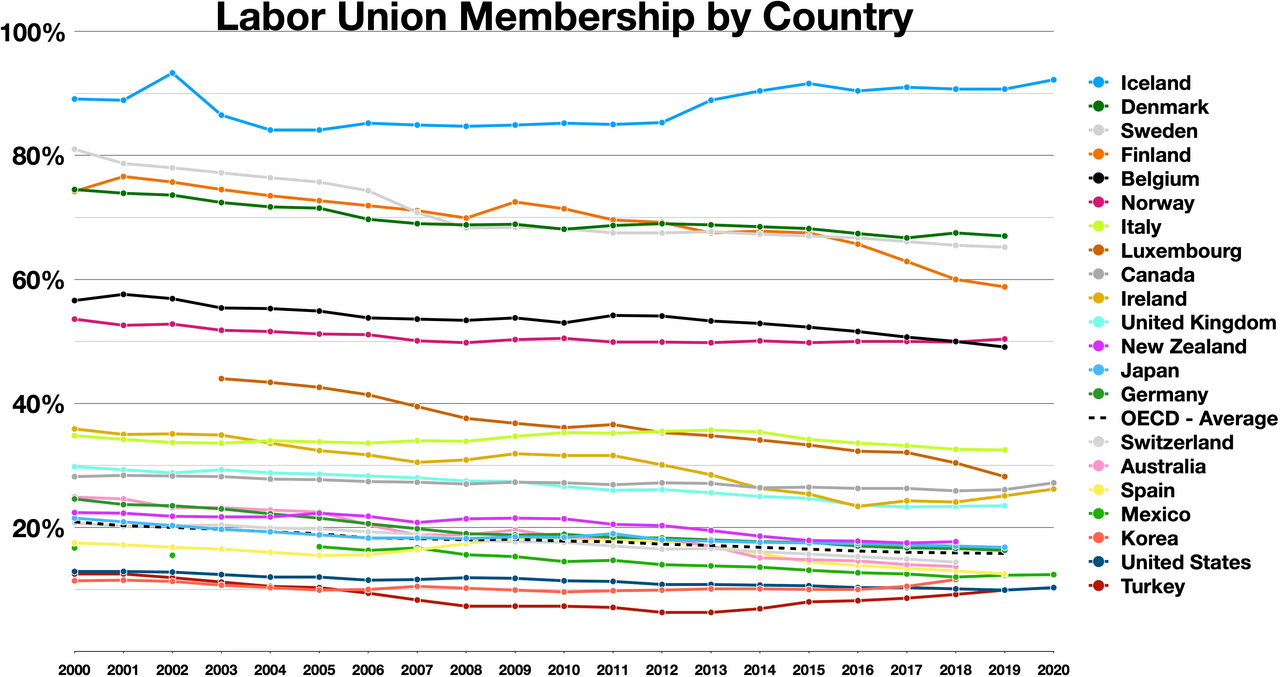
Supporters argue unions raise living standards, reduce workplace inequality, and improve job security. Critics raise concerns about work stoppages, union costs, or rigidities in labor markets. In many countries union membership and influence have changed in recent decades because of economic restructuring, globalization, and changes in labor law and employment patterns. Nonetheless, unions remain a central institution for organized labor and continue to adapt to new sectors and forms of work.
For practical guidance on joining, forming or negotiating with a union, consult local labor authorities or recognized worker organizations. Many unions provide resources online and in person to help members understand collective agreements and rights at work; for further information see representative sources at negotiate pay and conditions.
Questions and answers
Q: What is a trade union?
A: A trade union is a group of workers who join together to negotiate pay, hours, benefits, and working conditions.
Q: What is the purpose of a trade union?
A: The purpose of a trade union is to ensure that workers are fairly compensated and have good working conditions.
Q: Why do union members claim that trade unions are necessary?
A: Union members claim that trade unions are necessary because the people that run companies want to pay as little as possible.
Q: What benefits do trade unions negotiate on behalf of their members?
A: Trade unions negotiate pay, hours, benefits, and working conditions on behalf of their members.
Q: Is a trade union the same thing as a labor union?
A: In the United States, a trade union is often referred to as a labor union. In the UK, they are called trades unions.
Q: How do trade unions benefit workers?
A: Trade unions benefit workers by negotiating better pay, benefits, hours, and working conditions.
Q: Who runs companies that trade unions negotiate with?
A: Trade unions negotiate with the people who run companies.
Related articles
Author
AlegsaOnline.com Trade union (labor union) Leandro Alegsa
URL: https://en.alegsaonline.com/art/101024
Sources
- query.nytimes.com : "The Transit Showdown: Assessment"
- worldcat.org : 0362-4331