
Canvas (heavy woven fabric)
Durable plain-woven textile traditionally made from hemp or linen and now often from cotton; used for sails, tents, painting supports, bags, shoes and industrial coverings.
Canvas is a sturdy, plain-woven textile used where strength and durability are required. Historically made from hemp or linen and increasingly produced from cotton or blended fibres, canvas appears in many forms: unprimed for industrial uses, primed for painting, and treated for water resistance. Its structure and finishing determine how it performs in outdoor, artistic, and commercial applications.
Image gallery
9 Images

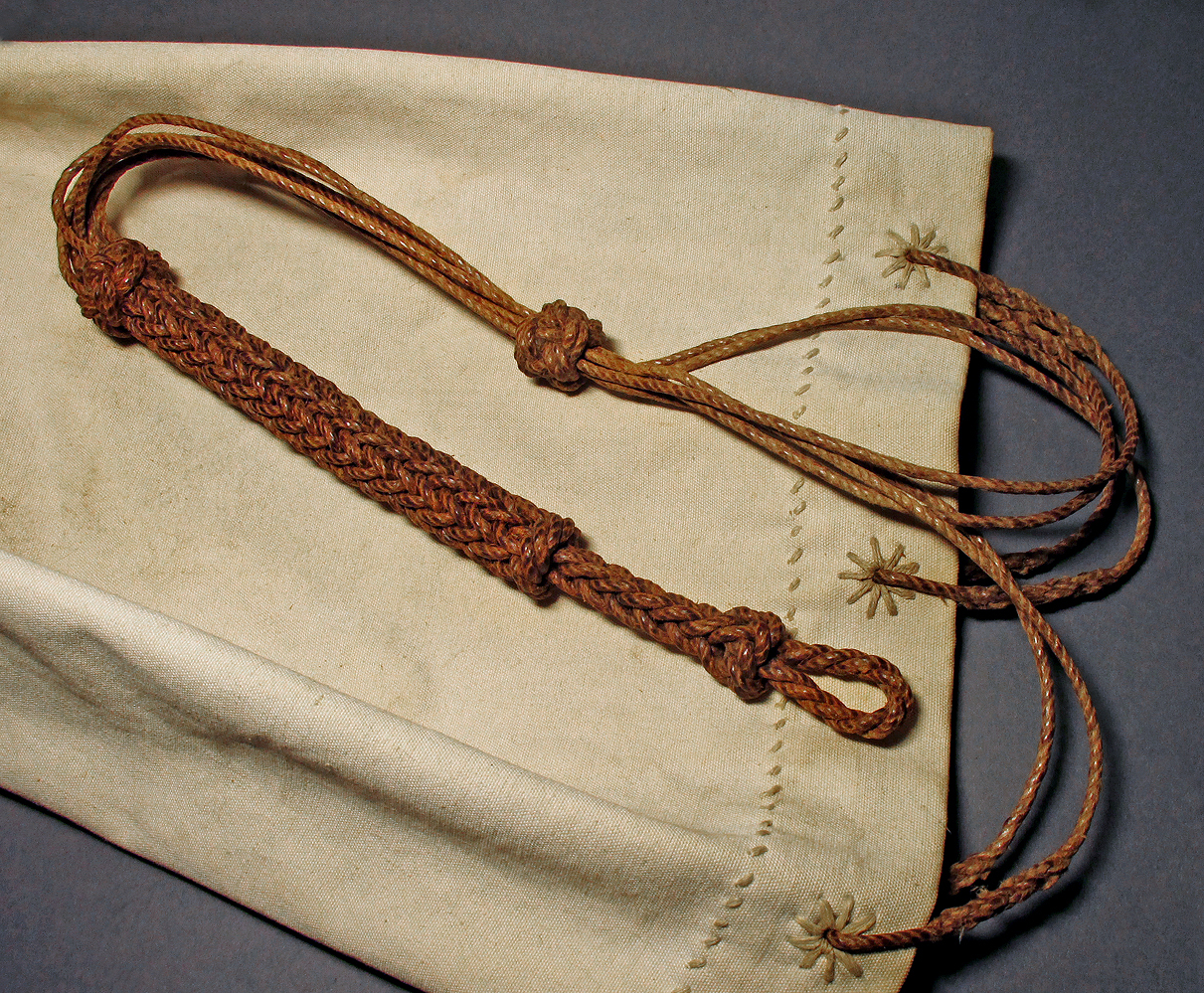


Characteristics and construction
Canvas is woven so that warp and weft threads form a tight, even surface. That plain-weave construction gives it resistance to tearing and abrasion. Variations in fibre (linen, hemp, cotton, synthetic blends) and thread count produce a range of weights and textures: lighter canvases are flexible for clothing and bags, heavier weights serve as tarpaulins, sails, and tent walls. Canvas can be left raw, treated with wax or chemical coatings, or coated with gesso to create a stable painting surface.
Common types and preparation
Producers name canvas by fibre and finish: linen and hemp are traditional high-quality supports, while cotton duck (a dense cotton canvas) is widespread because it is economical and versatile. Artists often mount canvas on stretcher bars and apply a primer before painting; historically rabbit-skin glue was used, now replaced by acrylic gesso for longer-lasting, flexible grounds. For outdoor use, canvas may be waxed or coated for water and mildew resistance.
Uses and examples
- Sails and tents, where tensile strength and weather resistance matter — often further treated or laminated (heavy-duty fabric).
- Painting supports for oils and acrylics; primed canvases are a mainstay of fine art (painting surfaces).
- Clothing and accessories such as bags and shoes; some sneakers and casual footwear use canvas uppers (footwear).
- Industrial covers, awnings, upholstery, and utility items where toughness is essential.
History and etymology
The word "canvas" derives from medieval and classical roots tied to hemp; older forms come through French and Latin words related to cannabis, reflecting hemp's historical role as a major fibre source. Sailmakers and tent-makers relied on hemp and later linen before cotton became common with industrial textile manufacture. The term now covers a family of woven, heavy fabrics rather than a single fibre.
Care, distinctions, and notable facts
Canvas care depends on fibre and finish: untreated canvas breathes and can be washed gently; waxed or coated canvas needs specific cleaning and reproofing. Canvas differs from denim: denim uses a twill weave that creates diagonal ribs, while canvas customarily uses a plain weave with a flatter surface. For artists, linen canvas is prized for longevity and fine tooth, cotton for affordability and uniformity. For practical guidance and product choices consult manufacturers or conservation sources (woven construction, cotton, natural tones).
Further reading and supplier information can be found through industry and art-material resources; product pages and technical sheets often explain weight, weave, and recommended treatments for specific uses. See general overviews and buying guides for selection tips and maintenance advice (heavy-duty fabric, painting surfaces, footwear).
Questions and answers
Q: What is canvas?
A: Canvas is a thick material that is commonly made from woven cotton.
Q: Where is canvas typically used?
A: Canvas is typically used for tents, sails on boats, and other places where a sturdy material is needed.
Q: What is the color of canvas?
A: The color of canvas is often white or pale tan.
Q: What is canvas similar to?
A: Canvas is similar to the material used in blue jeans.
Q: Can canvas be used for painting?
A: Yes, canvas can be used for painting.
Q: What else can canvas be used for besides making tents and sails?
A: Canvas can also be used for making shoes.
Q: Is canvas a durable material?
A: Yes, canvas is a sturdy and durable material.
Related articles
Author
AlegsaOnline.com Canvas (heavy woven fabric) Leandro Alegsa
URL: https://en.alegsaonline.com/art/16675