
W. H. Auden: Life, Work and Legacy
W. H. Auden (1907–1973) was a British-born poet who became prominent in Britain and the United States; known for formal craft, public verse and poems such as "Funeral Blues."
Wystan Hugh Auden (21 February 1907 – 29 September 1973) was a British-born poet whose career bridged Britain and the United States. Often published as W. H. Auden, his work ranges from intimate lyrics to public and political verse. For a concise introduction see biographical overview and a note on his later American life at American phase.
Image gallery
10 Images

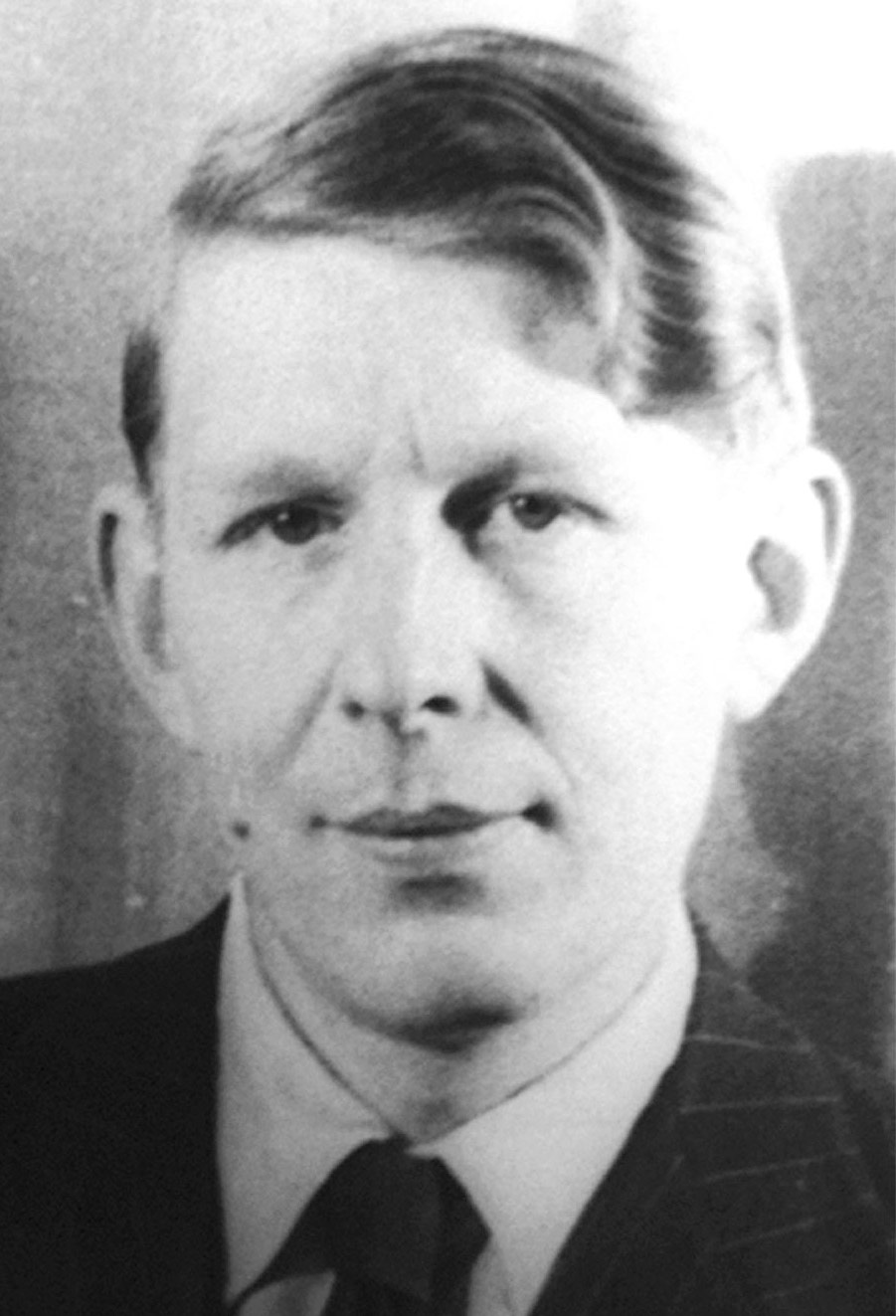


Life and career
Auden was born in York. As a child his family moved to Harborne in Birmingham, where his early education and reading shaped a precocious literary voice. He emerged as a prominent figure in the 1930s with poems that often engaged current events and social questions. In 1939 he relocated to New York City, a move that altered his circle, employment and public reception.
Works and style
Auden wrote across many forms: short lyrics, long narratives, dramatic verse and libretti. His style combines clarity, technical control and a readiness to address moral and political subjects. He is remembered for both technically accomplished pieces and works that entered broader public use.
- "Funeral Blues" — an elegy that has been widely anthologized and performed; it gained renewed public recognition in the late twentieth century through readings and media.
- "As I Walked Out One Evening" — a ballad-like poem that contrasts love and the passage of time.
- Several dramatic and longer poems, plus collaborations on libretti and essays that show his range.
Personal life and legacy
Auden was culturally Anglican and his faith appears intermittently in his writing; his sexual identity as a gay man also shaped aspects of his personal life and themes in his work (see religion and sexuality). In 1935 he entered a marriage of convenience to Erika Mann to assist her escape from Nazi Germany. From 1946 he lived and worked closely with Chester Kallman, a partnership that produced translations, libretti and long collaborations.
Auden accepted American citizenship in the mid-1940s and continued to publish and teach on both sides of the Atlantic. He is widely regarded as an important twentieth-century poet who influenced subsequent writers, composers and performers. Auden died in Vienna, Austria, in 1973 and is buried at Kirchstetten; his poems, letters and editions remain subjects of scholarly study and public performance.
Author
AlegsaOnline.com W. H. Auden: Life, Work and Legacy Leandro Alegsa
URL: https://en.alegsaonline.com/art/147355