
Broken English (Engrish): definition, features, history and contexts
Broken English, often called Engrish, describes nonstandard spoken or written English produced by speakers with limited proficiency; it appears in signage, fashion, menus and online and has cultural and linguistic dimensions.
Broken English, sometimes labeled Engrish, refers to forms of spoken or written English that deviate noticeably from standard grammar, pronunciation, spelling or usage. It can arise when nonnative speakers translate directly from their first language, when machine translation is used without review, or when English is adopted for decorative or stylistic purposes rather than clear communication. For a general reference to the language it draws on, see English.
Image gallery
2 Images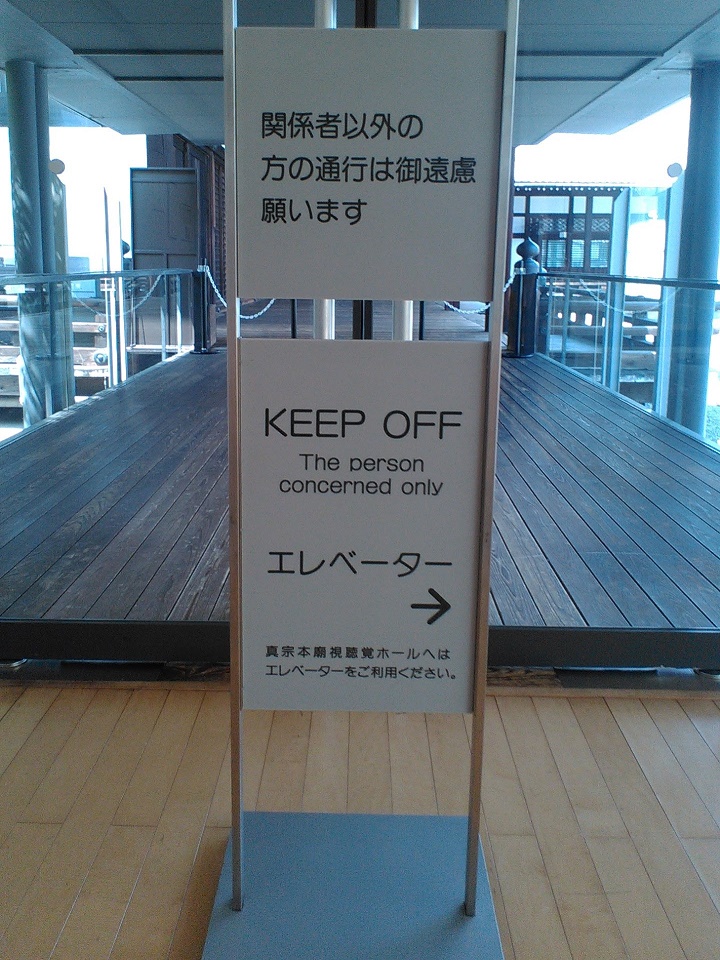

Common characteristics
Typical features of broken English include phonetic substitutions (such as confusion between /l/ and /r/ in some East Asian languages), omitted articles or prepositions, unconventional word order, literal calques from another language, mistranslated idioms, odd punctuation and awkward compound words. These patterns can appear in single words, whole sentences, or text fragments that fail to convey the intended meaning. A badly rendered word or sentence may be memorable precisely because its literal form is unexpected.
History and terminology
The informal label "Engrish" originated as a phonetic caricature of how some speakers pronounce "English" and has been attested in English-language writing since the mid-20th century. Its use as a label for defective or humorous Asian English grew in popularity during the 1980s and 1990s. Related concepts include Japanese coinages such as wasei-eigo, which are English-based expressions created in Japan, and the widespread use of English text for fashion and design in places such as Japan.
Where it appears and why
Broken English is often visible in public-facing material where translation or proofreading is limited: storefront and street signs, menus, instruction manuals, product packaging, advertising copy and printed slogans on clothing. In parts of East Asia and in communities with many East Asian residents or tourists, such uses are particularly common; the phenomenon can also be found across many other regions and countries. Food labels and menu items are frequent sources of unintentionally amusing or opaque translations (food), and T-shirt or other apparel text (t-shirt) is a well-known example of decorative English. The internet and automated translation tools have increased the visibility of such errors (online).
Social and linguistic perspectives
Attitudes toward broken English range from amusement and viral sharing to irritation and ridicule. Linguists caution against simple mockery: atypical English can reveal interference from native-language grammar and creativity in language use. In some markets, English text serves primarily aesthetic or aspirational functions rather than communicative ones; in others, limited resources for professional translation lead to literal or machine-driven renderings. Observers also note instances where speakers intentionally mimic nonstandard forms for humor, identity or rhetorical effect.
Practical notes and guidance
For organizations that want to avoid confusing or embarrassing errors, common recommendations include: hire qualified human translators or editors, prefer short simple sentences, check cultural connotations of words, test printed materials with native readers and allow time for proofreading and revision. Visitors encountering broken English are advised to read context carefully and, when necessary, seek clarification rather than rely on literal interpretation. Useful resources and examples can be found in collections and commentaries that document real-world instances of nonstandard English use (language overview, regional studies).
- Frequent contexts: signs, menus, apparel, manuals, advertising (signs, menus, clothing).
- Typical errors: phonetic substitution, dropped articles, literal translation (examples).
- Related topics: wasei-eigo and decorative English use (wasei-eigo, slogans).
Understanding broken English requires both linguistic awareness and cultural sensitivity: what looks like an error to one reader may be a deliberate stylistic choice or a symptom of broader social dynamics in language contact zones.
Related articles
Author
AlegsaOnline.com Broken English (Engrish): definition, features, history and contexts Leandro Alegsa
URL: https://en.alegsaonline.com/art/14642