
Symphony No. 9 in D minor, Op. 125 (Beethoven)
Beethoven's Ninth Symphony (Op. 125), the 'Choral' symphony, is a landmark work combining orchestra and voices in a monumental four-movement structure built around Schiller’s Ode to Joy.
Overview
The Symphony No. 9 in D minor, Op. 125, is the final completed symphony by Ludwig van Beethoven. Often called the "Choral" symphony, it is widely regarded as one of the most important works in the Western orchestral repertoire. The work broke with symphonic tradition by adding vocal soloists and a chorus in its final movement, and its central hymn-like theme has become an international emblem of solidarity and hope.
Image gallery
9 Images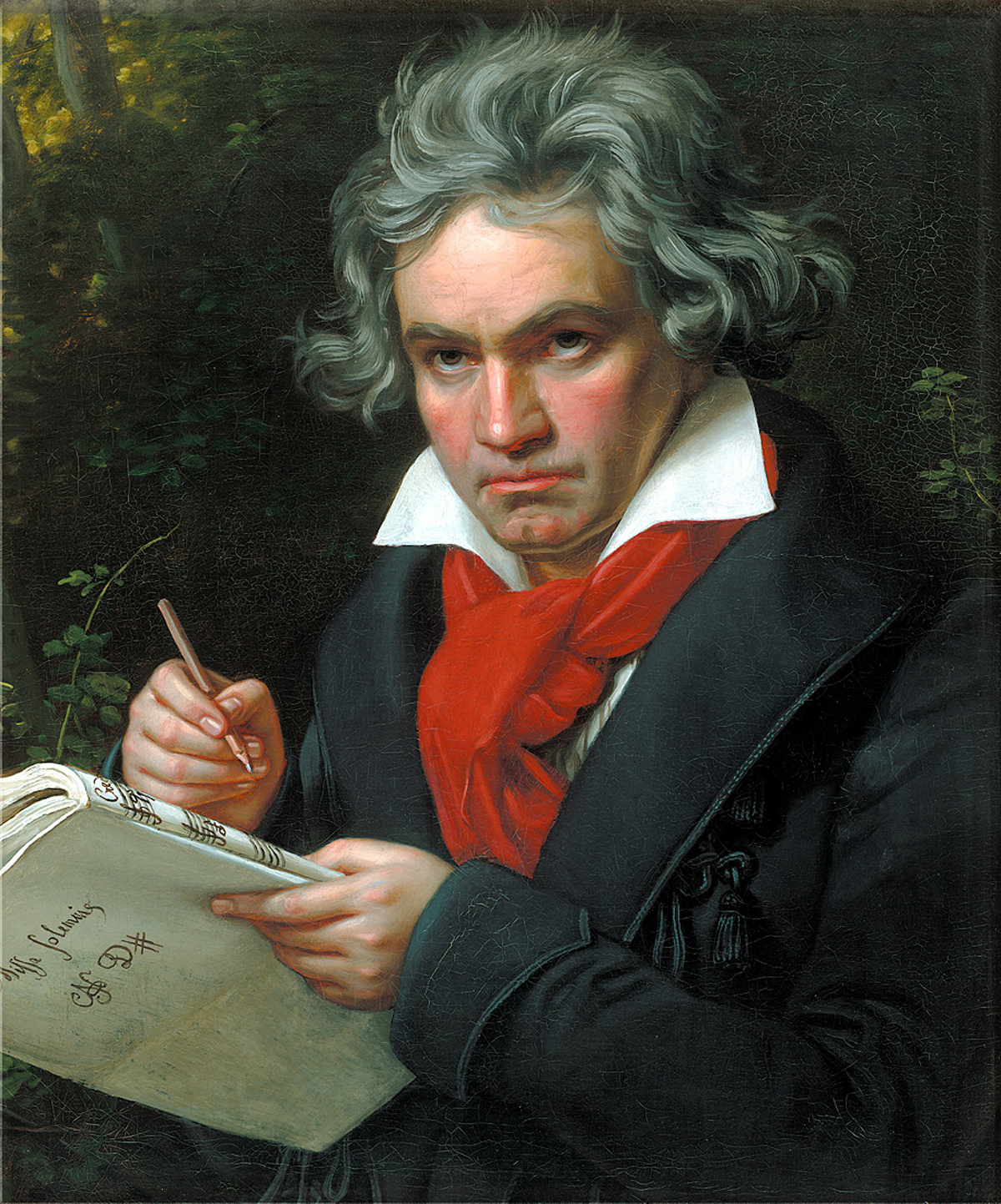



Structure and musical features
The piece follows a four-movement layout typical of the Classical and early Romantic symphony but treats those parts expansively. The first movement opens with a dramatic, sonata-like argument, often described in terms of sonata form. Unusually, Beethoven places a vigorous scherzo as the second movement and a broad slow movement of theme and variations as the third. The finale incorporates chorus and four vocal soloists—soprano, alto, tenor and bass—to set a poetic text as part of the symphonic argument.
- Orchestration: large classical orchestra with expanded winds and brass, strings and timpani; the work is conceived for full orchestra.
- Duration: performances commonly last more than an hour, making it a long-scale symphonic cycle for its time.
- Melodic material: the famous hymn in the last movement begins with a simple, memorable phrase that is accessible and easily taught to beginners.
Text, themes and the "Ode to Joy"
The choral finale sets lines from the poem "Ode an die Freude" by Friedrich Schiller. The words celebrate human fraternity and the ideals of peace and harmony. While Schiller's poem predates Beethoven’s setting by decades, its notions of brotherhood resonated widely in the era shaped by the French Revolution and political changes across Europe. The melody that carries the poem—often sung in translation—first emerges instrumentally, introduced by lower strings such as the cellos and double basses before the vocals join.
Composition, premiere and anecdotes
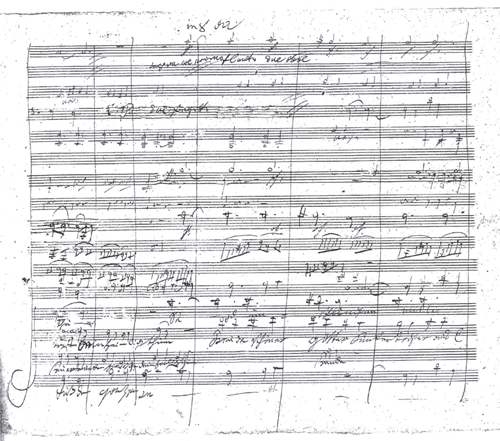
Beethoven carried the idea of setting Schiller's text for many years and sketched parts of the Ninth over a long period. Significant work on the score occurred in the early 1820s, and the completed symphony received its premiere in Vienna in May 1824. Beethoven conducted the premiere despite being profoundly deaf; contemporary accounts tell of a moving moment at the end when the audience proclaimed its approval with sustained applause, which the composer could not hear. The alto soloist Caroline Unger is said to have guided him to face the audience and see their reception.
Legacy and uses
Beyond its place in concert repertory, the Ninth has been reused in civic and political contexts: an arrangement of the main theme was adopted as a pan-European anthem in 1972, sometimes referred to as the European anthem, with a notable orchestrated arrangement linked to conductor Herbert von Karajan. The piece appears frequently at major commemorations, international celebrations and recordings. Its blending of symphonic architecture with choral affirmation helped expand the expressive possibilities of large-scale music and influenced succeeding generations of composers.
Notable distinctions
The Ninth stands out for bringing human voices into a genre hitherto reserved for instruments, for reversing the typical scherzo-slow order, and for creating a single melody—Ode to Joy—that has become part of global musical literacy. Its combination of technical innovation, emotional breadth and civic symbolism explains why it remains a central work nearly two centuries after its first performance.
Further reading and listening can be found through general references on the form of the symphony and standard sources devoted to Beethoven’s life and works.
Questions and answers
Q: What is Symphony No. 9 in D minor, Op. 125?
A: Symphony No. 9 in D Minor, Op. 125 is a symphony written by Ludwig van Beethoven and it is one of the most famous pieces of music ever written. It is a piece of music for orchestra with four movements and includes singing in the last movement.
Q: What does "choral" mean?
A: Choral means “for choir” and refers to the fact that the last movement of Symphony No. 9 has four soloists (soprano, alto, tenor and bass) and a choir singing in it.
Q: What poem did Beethoven use for his symphony?
A: Beethoven used Friedrich Schiller's poem Ode an die Freude (in English: Ode to Joy) for his symphony which had a strong message about living in peace and harmony together at the time of the French Revolution when these ideas were becoming very important in Europe.
Q: How long does this symphony last?
A: This symphony lasts more than an hour which was unusual for its time period.
Q: What type of form does the first movement have?
A: The first movement has sonata form.
A A A A A A A AA AA AA AA AA AAAA AAAA AAAA AAAA SSSSSS SSSSSS SSSSSS SSSSSS TTTTTT TTTTTT TTTTTT TTTTTT EE EE EE EE RRRRRR RRRRRR RRRRRR RRRRRR VVVVV VVVVV VVVV
Author
AlegsaOnline.com Symphony No. 9 in D minor, Op. 125 (Beethoven) Leandro Alegsa
URL: https://en.alegsaonline.com/art/146370