
Saint James's Palace
Historic Tudor royal palace in the City of Westminster. A working royal court used for ceremonial functions and official offices; not generally open to the public.
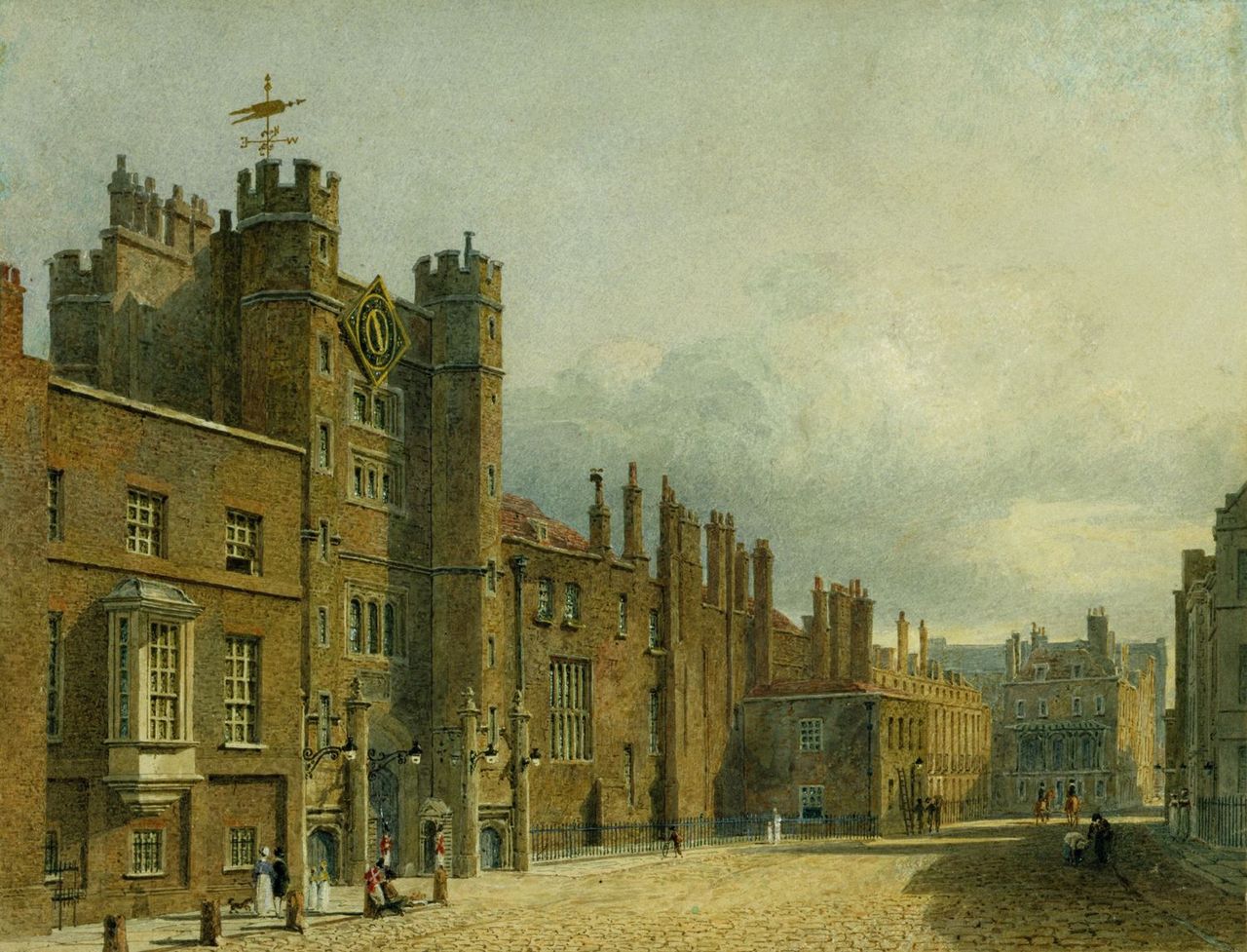
Saint James's Palace is a historic royal palace in the City of Westminster, central London, located between Pall Mall and The Mall, and facing St James's Park. Built in the early 1530s, it remains a working royal court and the most senior palace in official precedence, although it is not generally open to visitors.
Image gallery
10 Images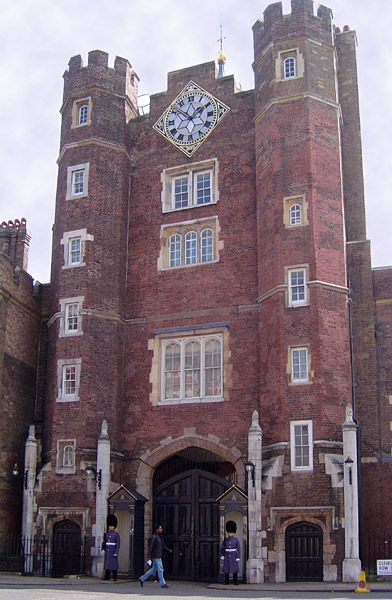



Overview
Originally constructed by Henry VIII in the Tudor period, Saint James's Palace served as a principal royal residence for centuries. When Queen Victoria made Buckingham Palace the principal royal home in 1837, many daily household functions moved, but Saint James's retained ceremonial and administrative importance. It continues to host formal audiences, investitures and diplomatic receptions.
History and notable events
The palace replaced earlier medieval and ecclesiastical buildings on the site and was built using characteristic red brick. Over time it was altered, repaired and adapted to changing needs. One of the better-known episodes associated with the palace is that Charles I spent his last night there before his execution in 1649. The palace has witnessed state occasions, private court life and the administrative evolution of the modern monarchy.
Architecture and layout
Saint James's Palace is notable for its Tudor brick façades, chimneys and arrangement around a series of courtyards and formal approaches. The complex contains state apartments, private apartments historically used by members of the royal family, offices for senior royal officials and the Chapel Royal. Later alterations and internal refittings reflect Georgian and Victorian tastes layered on Tudor structures.
Functions and contemporary role
Although the sovereign’s principal London residence is now Buckingham Palace, Saint James's remains a focal point for royal ceremonial protocol. It houses offices that produce the Court Circular and supports the organisation of state visits, investitures and certain formal proclamations. The palace address is still used for official correspondence and for the accreditation of some diplomatic missions.
Visiting and access
The palace is not routinely open to the public, but its forecourts, gates and the surrounding streets are accessible and frequently visited by those interested in royal history. Many visitors combine a view of the palace exterior with neighbouring sites and parks. For official information and selective images consult the palace and institutional pages listed below.
Related links and further reading
- Official site
- City of Westminster information
- London visitor resources
- Pall Mall and surrounding streets
- The Mall and ceremonial route
- St James's Park (adjacent green space)
- Queen Victoria and the move to Buckingham Palace
- Buckingham Palace (principal royal residence)
- Henry VIII and the Tudor foundation
- Charles I and 17th-century events
- Execution (historic reference)
For scholarly and primary-source material consult published histories of the British monarchy and archival catalogues held by national and local institutions. The palace's long history reflects both the continuity and change of royal life and state ceremony in Britain.
Author
AlegsaOnline.com Saint James's Palace Leandro Alegsa
URL: https://en.alegsaonline.com/art/146036