
Pall Mall: London street of clubs and history
Pall Mall is a central London street in the City of Westminster, known for its 17th‑century name from the game pall‑mall, its clubhouses and proximity to The Mall and Trafalgar Square.
Overview
Pall Mall is a short but prominent street in the City of Westminster in London. It lies close to several royal and civic landmarks and runs roughly parallel to The Mall, forming part of the historic St James's area. One branch, traditionally called Pall Mall East, provides a direct approach toward Trafalgar Square.
Image gallery
9 Images



Name and early origins
The street's name derives from the seventeenth‑century outdoor pastime pall‑mall, a mallet‑and‑ball game similar in spirit to modern croquet. The playing ground and promenades where the game was once practised gave the road its name; over time the open fields were built over as London expanded. The name survives even though the game faded from common play.
Characteristics and notable buildings
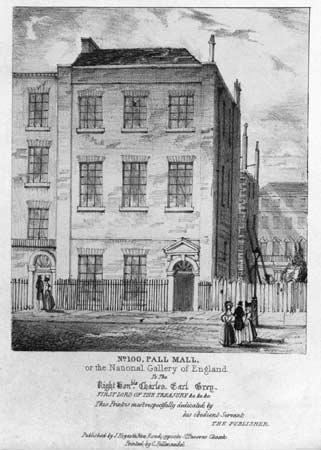
Pall Mall is characterised by grand townhouses and purpose‑built clubhouses from the 18th and 19th centuries. Several private and professional institutions established bases there, creating a concentration of social clubs and headquarters for exclusive societies. These clubhouses often feature classical facades, formal interiors and rooms intended for dining, libraries and meetings.
Clubs and institutions
- The street and its immediate neighbourhood became home to many gentlemen's clubs and learned societies, a longstanding feature sometimes described simply as "the clubs of Pall Mall"; examples include the Reform Club, Athenaeum and several others associated with politics, literature and travel.
- Commercial and recreational organisations, including motoring and service clubs, also established premises in the area.
- For general context about the clubland tradition see further resources.
History and development
From open playing fields in the 1600s the corridor that became Pall Mall was urbanised through the 18th and 19th centuries. Its proximity to royal parks, government offices and ceremonial routes made it attractive for private houses that later converted into institutional headquarters. Urban redesign and traffic changes in the 20th century altered some street layouts, but the street retains much of its historic character.
Modern role and cultural notes
Today Pall Mall combines offices, clubrooms and a small number of shops and embassies, while remaining a visible part of central London's ceremonial geography. The name has travelled beyond the street itself — it has been used commercially, most famously as the name of a cigarette brand — and appears in literature and cultural references that evoke the British establishment or the world of clubs.
For maps, visitor information and further reading consult local guides and the institutional pages linked above: The Mall and other nearby avenues continue the ceremonial axis that gives this part of the city its distinctive layout.


Related articles
Author
AlegsaOnline.com Pall Mall: London street of clubs and history Leandro Alegsa
URL: https://en.alegsaonline.com/art/74194