
Eastern Theater of the American Civil War
The Eastern Theater was the main Atlantic seaboard battleground of the U.S. Civil War, centered on Virginia, Maryland, Pennsylvania and Washington, D.C., where strategic campaigns and many decisive battles occurred.
The Eastern Theater of the American Civil War refers to military operations fought primarily in the mid-Atlantic states and the national capital region. It encompassed campaigns and battles in Virginia, West Virginia, Maryland, Pennsylvania, the District of Columbia and along the coastal seaports and fortifications of North Carolina and nearby shores. This theater attracted sustained attention because the Confederate capital at Richmond lay relatively close to Washington, and control of the region had both symbolic and strategic consequences for the Union and the Confederacy.
Image gallery
10 Images


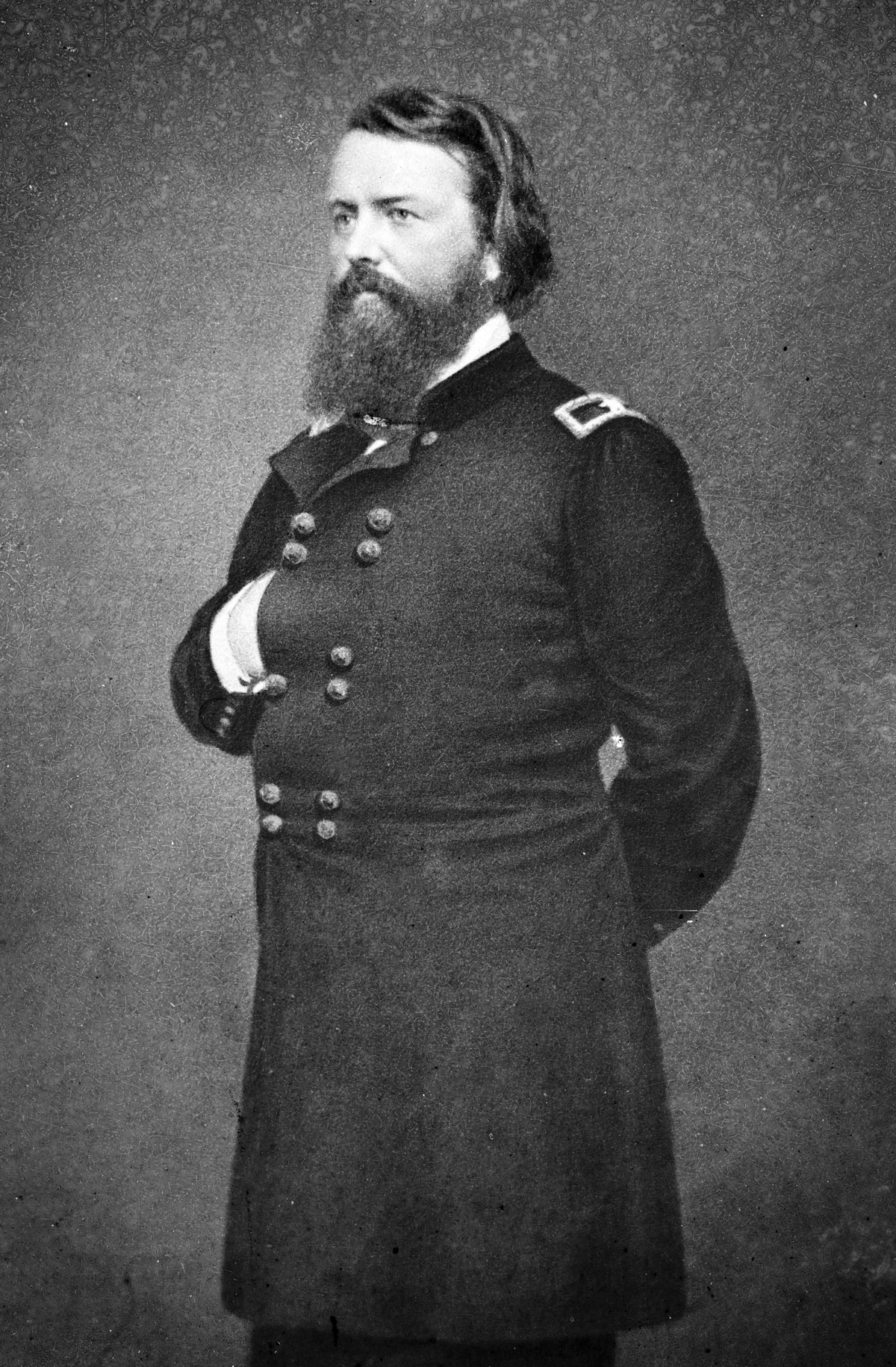


Geography and strategic features
The terrain of the Eastern Theater mixed coastal plains, river systems, urban centers and mountain valleys. The Shenandoah corridor — the Shenandoah Valley — served as a natural avenue for movement and supply, enabling armies to maneuver between the opposing capitals separated by roughly one hundred miles. Rivers such as the Potomac and Rappahannock, along with fortified positions and coastal batteries, shaped campaign planning and the disposition of forces.
Main armies and commanders
Most fighting in this region involved the Union's principal field force, the Army of the Potomac, and the Confederacy's primary eastern army, the Army of Northern Virginia. Leadership, logistics, intelligence and railroad links all influenced outcomes. Coastal defenses and fortifications protected major ports, while control of towns and road junctions often decided local campaigns.
Notable battles and campaigns
The Eastern Theater included many of the war's best-known engagements. Among them were early clashes and large, consequential fights that shaped public opinion and military momentum:
- First Battle of Bull Run (First Manassas) — the opening major land battle.
- Battle of Antietam — a very bloody encounter that affected diplomatic considerations.
- Battle of Gettysburg — the largest battle fought on American soil and a turning point in the conflict.
- Other important operations included the Seven Days Campaign, Fredericksburg and Chancellorsville, siege operations around Richmond and the long struggle at Petersburg.
Historical significance and legacy
Because the Eastern Theater contained both national capitals — Washington, D.C. and Richmond — its battles had outsized political importance. Military outcomes influenced morale, international diplomacy and wartime policy. The concentration of large armies and high-profile engagements in this region produced many of the war's most studied tactical and operational lessons.
Distinctive characteristics and closing notes
Fighting in the East combined set-piece battles, prolonged sieges and fast-moving raids. It also highlighted differences between strategic objectives — protecting capitals and lines of communication versus destroying an enemy's field army. Coastal operations and protection of seaports informed the conduct of war in adjacent theaters; coastal defenses and naval operations tied into land campaigns. For further reading and maps, consult specialized sources on individual campaigns and the armies listed above.
Related topics and resources: Maryland campaigns, Pennsylvania operations, Virginia battles, West Virginia actions, and coastal defenses in North Carolina. Additional material covers the roles of fortifications (fortifications), major field armies (Army of the Potomac, Army of Northern Virginia) and key campaigns in the Shenandoah (Shenandoah Valley).
For overview maps, timelines and bibliographies, see recommended academic treatments and primary-source collections that document operations in the Eastern Theater and its enduring impact on U.S. military history.
Questions and answers
Q: What states were included in the Eastern Theater of the American Civil War?
A: The Eastern Theater of the American Civil War included the U.S. states of Virginia, West Virginia, Maryland, Pennsylvania, the District of Columbia and the coastal seaports and fortifications of North Carolina.
Q: What was so significant about Richmond, Virginia?
A: Richmond, Virginia was significant because it was the Confederate capital during the American Civil War.
Q: What were some key battles that took place in this theater?
A: Some key battles that took place in this theater included First Battle of Bull Run, Battle of Antietam and Battle of Gettysburg.
Q: How close together were Washington D.C., Union capital and Richmond, Confederate capital?
A: Washington D.C., Union capital and Richmond, Confederate capital were only 100 miles apart from each other.
Q: What lay between these two cities?
A: Between these two cities lay the Shenandoah Valley which was a natural corridor that could hide entire armies.
Q: Why did so much fighting take place in northern and eastern Virginia during this war?
A: So much fighting took place in northern and eastern Virginia during this war because it was close to Richmond which was where the Confederate capital was located at that time.
Related articles
Author
AlegsaOnline.com Eastern Theater of the American Civil War Leandro Alegsa
URL: https://en.alegsaonline.com/art/29779
Sources
- civilwarintheeast.com : "The Civil War in the East"
- history.army.mil : "Listing of the Campaigns of the U.S. Army Displayed on the Army Flag"
- nps.gov : "Civil War Battle Summaries by Campaign"