
John Brown (abolitionist): life, actions, and legacy
John Brown (1800–1859) was an American abolitionist who advocated armed resistance to slavery. His actions in Kansas and at Harpers Ferry intensified sectional tensions and remain subject to debate.
Overview
John Brown (1800–1859) was a radical American abolitionist who believed slavery could only be ended through direct action, including the use of force. His campaign against slavery focused less on political compromise than on armed insurrection and seizure of weapons to enable enslaved people to resist. Brown’s name became widely known after violent encounters in the 1850s and culminated in a failed 1859 raid intended to spark a broader uprising.
Image gallery
10 Images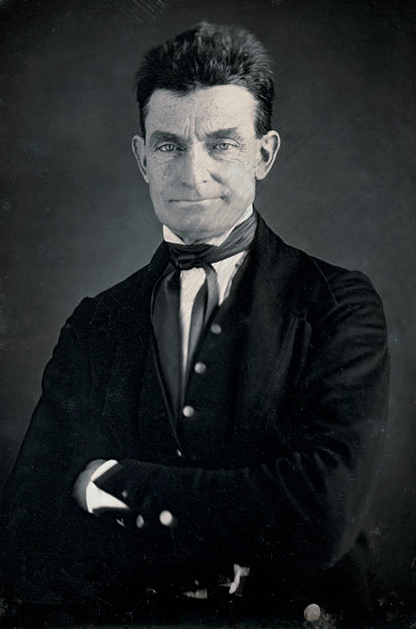


Beliefs and methods
Brown combined deep religious conviction with a militant interpretation of justice. He rejected gradualist or purely legal approaches favored by many abolitionists, arguing that moral urgency justified violent resistance to an institution he considered a national crime. His methods included organizing small, disciplined bands, conducting raids on pro-slavery settlements, and attempting to build networks that could arm and lead enslaved people to freedom. Historians debate whether he should be classified as a revolutionary, a terrorist, or a martyr; his tactics and goals remain central to that discussion. See contemporary accounts and summaries at link 2 and historical overviews at link 3.
Bleeding Kansas and early actions
Brown first attracted national attention during the violent conflict known as "Bleeding Kansas," where pro-slavery and anti-slavery settlers clashed after the Kansas–Nebraska Act opened new territories to contest. Brown led retaliatory attacks on pro-slavery forces, claiming to punish perpetrators of violence against Free-State settlers and escaped people. Those episodes sharpened sectional tensions and made Brown a polarizing figure in newspapers and political debate; readers can consult regional reports at link 4.
Harpers Ferry raid
In October 1859 Brown led a small, armed group in an assault on the federal armory at Harpers Ferry in then-Virginia. His plan was to seize weapons and ignite a slave uprising across nearby states. The raid briefly secured the armory but failed to attract significant support from local enslaved people or coordinate a larger insurrection. The attack resulted in casualties and a rapid counterattack; federal and local forces, including U.S. Marines, captured or killed most participants. Contemporary reportage and analyses of the event appear at link 5, with background on the armory at link 6 and regional context at link 7.
Trial, execution, and immediate aftermath
Brown was tried in Virginia on charges that included treason against the state, murder, and inciting insurrection. Convicted, he was sentenced to death and executed by hanging in December 1859. His trial and demeanor during imprisonment attracted national attention, including sympathetic commentary in Northern press and denunciation in the South. Plans and aims related to freeing enslaved people are discussed at link 8 and regional efforts at link 9. Legal records and trial summaries can be found at link 10.
Legacy and interpretation
John Brown’s legacy is contested. Many in the North came to view him as a martyr whose willingness to die for abolition galvanized anti-slavery sentiment; others condemned his violence. In the South his raid confirmed fears of Northern aggression and contributed to the collapse of compromise, helping to create conditions that led to the Civil War. Over time Brown has been memorialized, debated in scholarship, and invoked in discussions about moral action, violence in pursuit of justice, and the limits of civil disobedience. For modern interpretations and commemorations see link 11.
- Key facts: born 1800, died 1859; active in Kansas and Virginia.
- Central questions raised by his life: When is violence justified against an unjust system? How do martyrs and extremists shape political movements?
Questions and answers
Q: Who was John Brown?
A: John Brown was an American abolitionist who supported using violence to end slavery in the United States.
Q: What event first brought him national attention?
A: John Brown first got national attention when he led small groups of people during the Bleeding Kansas crisis of 1856.
Q: What did Brown attempt to do at Harpers Ferry, Virginia (now West Virginia)?
A: At Harpers Ferry, Virginia (now West Virginia), Brown attempted to start a slave liberation movement by taking control of the federal armory and arming slaves with weapons from the armory.
Q: How successful was his attack?
A: His attack was not successful; few local slaves joined his attack, and within 36 hours, Brown's men were killed or captured by local farmers, militiamen, and U.S. Marines.
Q: How was he punished for his actions?
A: He was executed by hanging for treason against the state of Virginia on December 2, 1859 - making him the first person executed for treason in the history of the United States.
Q: How is he remembered today?
A: Today, John Brown is both remembered as a heroic martyr and hated as a madman and terrorist.
Related articles
Author
AlegsaOnline.com John Brown (abolitionist): life, actions, and legacy Leandro Alegsa
URL: https://en.alegsaonline.com/art/122371
Sources
- history.com : "John Brown's Harpers Ferry"
- americanheritage.com : The Father of American Terrorism
- torringtonhistoricalsociety.org : "John Brown Birthplace Site"
- theatlantic.com : "John Brown in Massachusetts"
- pabook.libraries.psu.edu : John Brown profile
- nps.gov : "John Brown"
- nrhp.focus.nps.gov : "National Register Information System"
- visitpa.com : "John Brown Farm, Tannery & Museum"
- newyorker.com : "John Brown's Body"
- books.google.ca : "Fire from the Midst of You": A Religious Life of John Brown · archive.org
- historynet.com : "John Brown's Family: A Living Legacy" · web.archive.org