
British Rail Class 50
A 1967–68 English Electric diesel-electric locomotive class built for express passenger work on the non-electrified WCML; later reallocated and now represented in preservation.
Overview
The British Rail Class 50 is a type of diesel-electric locomotive built by English Electric at the Vulcan Foundry in Newton-le-Willows between 1967 and 1968. Fifty examples were constructed to haul express passenger trains on the then non-electrified section of the West Coast Main Line north of Crewe to Carlisle and onwards to Scotland. They were initially owned by English Electric and hired to British Rail; ownership transferred to BR in the early 1970s.
Image gallery
10 Images




Design and technical characteristics
The Class 50 followed the English Electric Type 4 tradition of heavy, high-speed diesel-electric locomotives intended for passenger duties. Key characteristics include:
- Power unit: an English Electric 16-cylinder diesel engine (commonly described as a 16CSVT type) developing roughly 2,700 bhp at the generator—power was transmitted electrically to six traction motors.
- Wheel arrangement: Co-Co (three axles per bogie), providing good adhesion for high-speed trains.
- Top speed: approximately 100 mph in service, appropriate for express workings of the period.
- Original fittings: distinctive centrifugal intake fans and filters that produced a high-frequency intake note, earning the class a familiar nickname among enthusiasts.
Service history
Delivered to meet a specific operational need, Class 50s replaced older locomotives on long-distance passenger services where electrification was not yet available. As the West Coast Main Line was progressively electrified, the role of the class changed: many were reassigned to other regions or different services rather than remaining on their original routes. Early mechanical and electrical teething problems were gradually addressed in service and by workshops. Their original centrifugal filters proved unreliable and were removed; the sound that gave rise to their popular sobriquet, however, remained part of the class identity.
Nicknames, reception and enthusiasts
Rail fans and staff quickly adopted informal names for the class. The locomotives were affectionately dubbed the "Hoovers" because of the distinctive noise from the intake equipment, a name that persisted even after modifications removed the original components. Among rail enthusiasts the Class 50 attracted attention for its combination of power, looks and the drama of its exhaust and intake noises.
Legacy, later years and preservation
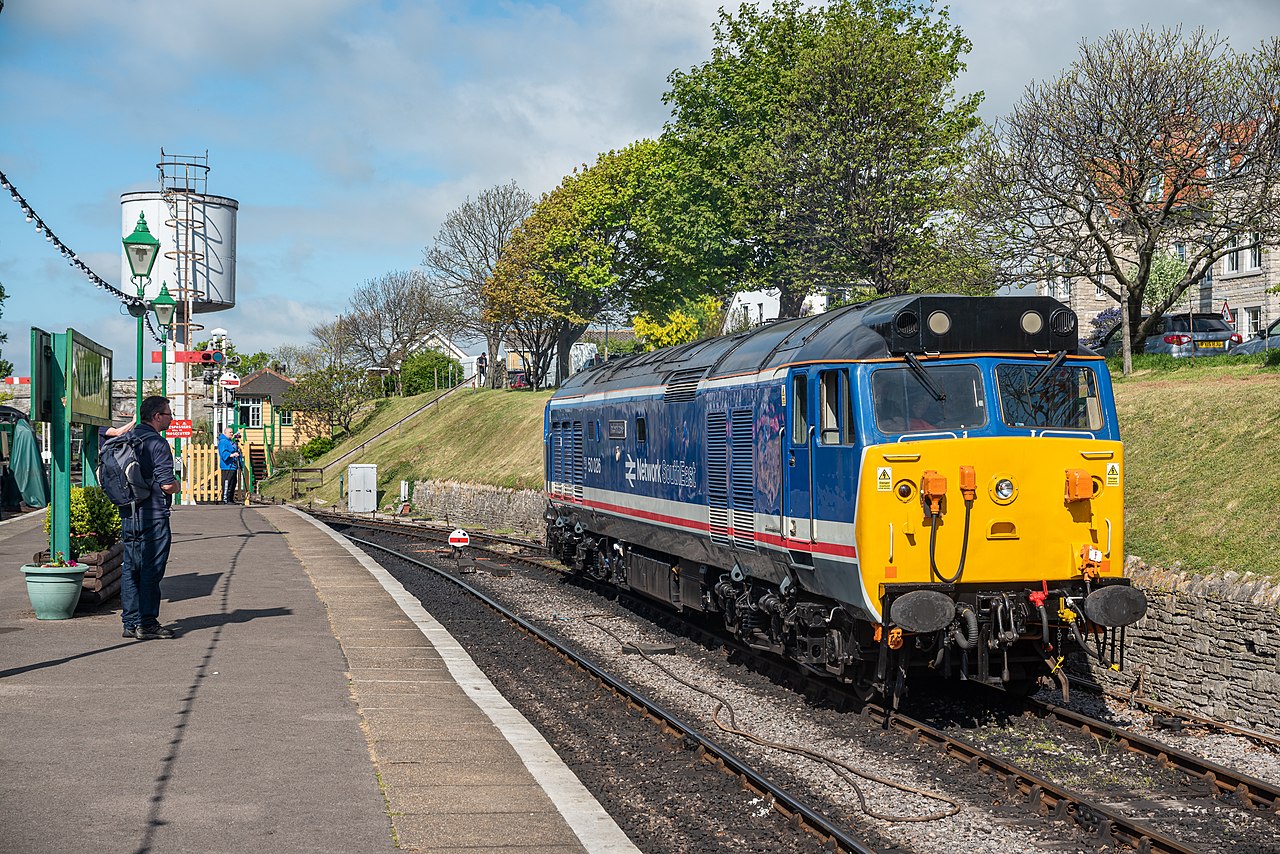
With changing traffic patterns and expanding electrification, the operational necessity for a dedicated fleet of Class 50s declined. During their later BR years many received overhauls and updated equipment to extend reliability. After withdrawal from regular service, a number of locomotives were preserved on heritage railways and some have returned to mainline operation for special trains, where they remain popular draws for enthusiasts and the public. The class is often featured in historical accounts of British diesel traction and in preservation events that celebrate the transition era between steam and full electrification.
Notable distinctions
- Built in a single batch of fifty examples, making the Class 50 a clearly defined group within BR's fleet renewal of the late 1960s.
- Associated specifically with the non-electrified stretches of the West Coast Main Line but later used more widely as electrification progressed.
- Remembered both for technical ambition—high power for express work—and for the characterful sounds that earned their nickname.
For further technical summaries and historical detail see dedicated locomotive histories and preserved-railway sources: many enthusiast and official pages provide rosters, rebuild histories and lists of preserved examples for readers seeking deeper information.
Diesel locomotive reference material and manufacturer archives at English Electric and the Vulcan Foundry shed additional light on construction practices. Operational maps and timetable contexts are available where the class served the West Coast Main Line and other routes. Contemporary accounts and photographs often feature the class's original intake arrangement and the later modifications that changed its acoustic signature. For further reading consult specialist publications and the records held by rail preservation groups and museums.
Related articles
Author
AlegsaOnline.com British Rail Class 50 Leandro Alegsa
URL: https://en.alegsaonline.com/art/14475