
British Rail Class 423 (4Vep) electric multiple unit
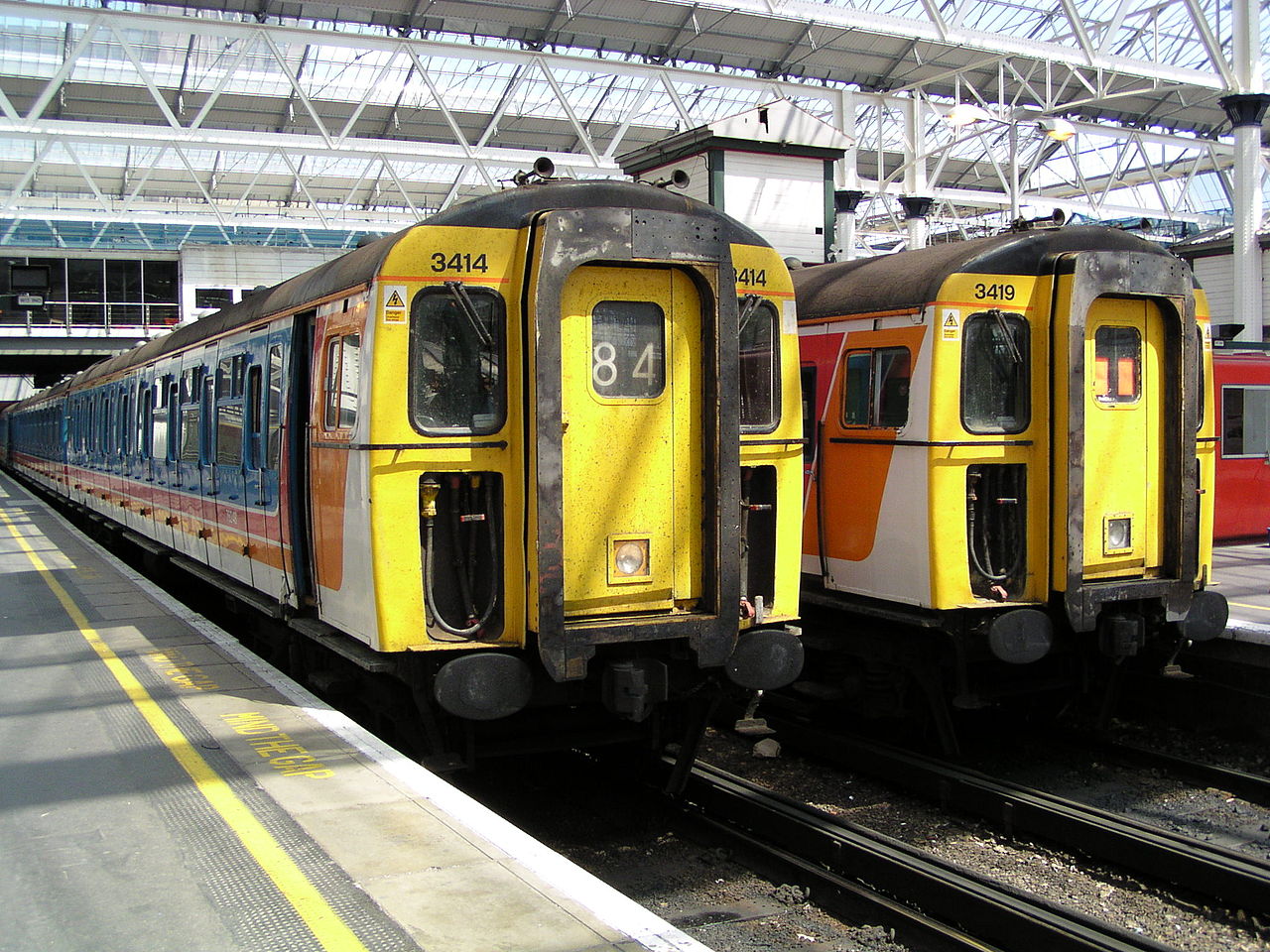
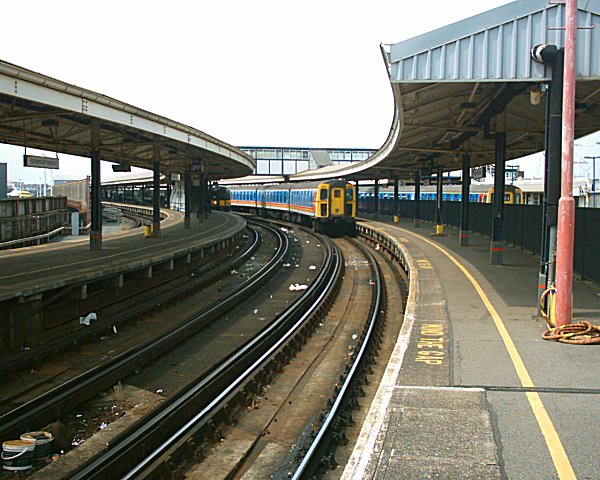
Four‑car suburban electric multiple unit built 1967–1974 for British Rail’s Southern Region, noted for its side-opening 'slam' doors; widely used around London, Kent and Sussex until withdrawal in 2005.
Overview
The British Rail Class 423, commonly known as the 4Vep, is a four‑car electric multiple unit introduced on the Southern Region in the late 1960s. Built for commuter and outer‑suburban services, these units were a familiar sight on routes radiating from London and on services in Kent and Sussex for several decades. The class is often remembered for its manually operated side doors and robust, straightforward design.
Image gallery
7 Images



Design and key characteristics
Class 423 sets were formed as four‑car trains with a mix of motor and trailer vehicles. Early batches had Motor Brake Second Open (MBSO) and Trailer Second Open (TSO) vehicles constructed at Derby Works, while the majority were assembled at York Works. The layout emphasized high capacity and quick boarding: each seating row had a manual door nearby, which led to the popular description of these units as having "slam" doors.
- Construction: Built by British Rail at York Works and early vehicles at Derby Works.
- Formation: four‑car sets with driving cabs at each end and a combination of motor and trailer cars.
- Doors: manually opening side doors adjacent to seating bays, a defining safety and operational characteristic.
Service history
Introduced between 1967 and 1974, Class 423 units handled outer suburban and regional duties across the Southern Region. They were heavily used on commuter routes serving South London and longer services into Kent and Sussex. Their straightforward mechanical and electrical arrangements made them easy to maintain and operate in large numbers for many years.
Over time, evolving safety standards, passenger expectations and the arrival of newer EMU families led to phased withdrawal. By 2005 the remaining units had been superseded by modern trains from the Electrostar and Desiro families, and the last regular passenger services ended.
Legacy, preservation and notable facts
The Class 423 is often remembered for its characteristic "slam doors" and the role it played in post‑war suburbanisation around London. A number of sets and vehicles were rescued for heritage railways and enthusiast use, preserving the type for historical and educational purposes. They illustrate a design era when capacity and simplicity were prioritised over the modern features found in later EMUs.
Distinctions and context
Unlike later units that use automatic sliding doors and offer walk‑through gangways, Class 423 trains reflect an earlier approach to commuter rolling stock. Their withdrawal marked a broader shift toward vehicles with centralized door control, improved crashworthiness and modern passenger information systems. For further technical and historical detail consult primary sources and dedicated rolling stock references such as publications from relevant rail archives and enthusiast groups.
Additional background and images can be found via regional preservation societies and technical histories of British suburban EMUs; historical overviews and fleet lists are available from a range of specialist publications and online resources covering the Southern Region and the evolution of multiple‑unit trains.
Related articles
Author
AlegsaOnline.com British Rail Class 423 (4Vep) electric multiple unit Leandro Alegsa
URL: https://en.alegsaonline.com/art/14448